Why Every Big Bear Home Needs a Backup Generator: Your Complete Installation and Safety Guide
December 5, 2025
Why Every Big Bear Home Needs a Backup Generator: Your Complete Installation and Safety Guide
Power outages aren't just inconvenient in Big Bear—they're dangerous. When winter storms knock down power lines or summer wildfires threaten the grid, losing electricity means no heat, no refrigeration, no well pump, and potentially no way to stay informed about emergency conditions.
For Big Bear homeowners, the question isn't whether you'll lose power, but when. Between heavy snow loads damaging infrastructure, wildfire-related Public Safety Power Shutoffs (PSPS), and aging electrical grids serving remote mountain communities, extended outages have become the new normal.
This comprehensive guide covers everything Big Bear homeowners need to know about backup generators: when you need one, how to choose the right system, safety requirements specific to mountain properties, installation costs, and maintenance tips that keep your generator ready when the lights go out.
Why Big Bear Faces More Power Outages Than Urban Areas
Mountain communities experience significantly more frequent and longer-lasting power outages than cities or suburban areas. Understanding why helps clarify why backup generators are essential investments rather than luxury items.
Geographic Challenges
Big Bear sits at 6,750+ feet elevation, surrounded by San Bernardino National Forest. This beautiful location creates unique electrical grid vulnerabilities:
Weather-Related Damage: Winter storms bringing heavy snow and ice accumulation snap power lines and down trees onto electrical infrastructure. Strong winds during fire season do the same. Each incident can leave neighborhoods without power for days while repair crews navigate mountain roads.
Limited Redundancy: Urban electrical grids have multiple pathways for power delivery. If one line fails, electricity routes around the problem. Mountain grids typically have single-path connections. One downed line can black out entire neighborhoods with no automatic backup route.
Extended Repair Times: When outages occur in Big Bear, repair crews must travel from lower elevations, often navigating snow-covered roads or waiting for hazardous conditions to clear. What takes hours to fix in the city can take days here.
Aging Infrastructure: Much of Big Bear's electrical infrastructure was installed decades ago and operates near maximum capacity during peak season when vacation rentals are full and heating demands spike.
Wildfire-Related Power Shutoffs
California's Public Safety Power Shutoff (PSPS) program adds another outage dimension Big Bear residents must prepare for. When weather conditions create extreme fire risk—high winds, low humidity, dry vegetation—utility companies proactively shut down power to prevent equipment from sparking wildfires.
PSPS events in mountain areas can last 3-5 days, sometimes longer. During these shutoffs:
All electrical service cuts off with limited advance notice (sometimes just 24-48 hours)
Medical equipment requiring power becomes dangerous to rely on
Refrigerated medications and food spoil
Well pumps stop working, eliminating water supply for many homes
Communication becomes difficult as cell towers lose power and internet goes down
You cannot run essential systems like heating or refrigeration
Unlike weather-related outages where repair timelines are somewhat predictable, PSPS shutdowns last as long as dangerous conditions persist. You might have a 4-day outage even though no actual damage occurred to the grid.
The Real Cost of Being Unprepared
Beyond inconvenience, Big Bear power outages create real financial and safety risks:
Food Loss: A fully stocked refrigerator and freezer represents $500-1,000+ in food. After 4-6 hours without power, refrigerated items become unsafe. After 24-48 hours, even frozen food spoils.
Frozen Pipes: Winter outages mean no heat. Temperatures inside unheated cabins drop quickly, and frozen pipes burst, causing thousands in water damage.
Well Pump Failure: Homes with well water lose access to toilets, showers, and drinking water when power fails. Extended outages create serious sanitation problems.
Medical Equipment: Residents dependent on CPAP machines, oxygen concentrators, or refrigerated medications face dangerous situations during extended outages.
Vacation Rental Income: If you manage short-term rentals, power outages create guest cancellations, negative reviews, and refund demands that damage your business reputation and bottom line.
Security Systems: Security cameras, alarms, and smart locks all fail without power, leaving your property vulnerable.
For properties that sit vacant for extended periods, even a single winter storm causing a multi-day outage can result in catastrophic frozen pipe damage that costs tens of thousands to repair.
A properly sized and installed backup generator eliminates these risks completely.
Types of Backup Generators for Big Bear Homes
Not all generators are created equal, and choosing the right type for your Big Bear property depends on your budget, power needs, and how you use the property. Let's break down the three main categories.
Portable Generators
Portable generators are the entry-level option: gasoline-powered units on wheels that you manually start and connect to appliances via extension cords or a manual transfer switch.
Advantages:
Lower upfront cost ($500-2,000 for quality units)
Portable between locations
Can serve multiple purposes (camping, job sites, emergencies)
No professional installation required for basic extension cord operation
Disadvantages:
Must be manually started during outages
Require gasoline storage and regular fuel rotation
Cannot power hardwired systems like well pumps or heating without a transfer switch
Must be operated outdoors at least 20 feet from home due to carbon monoxide danger
Provide limited power capacity (typically 3,000-8,000 watts)
Loud operation disturbs neighbors
Require constant refueling during extended outages
Best for:
Weekend cabin owners who visit infrequently
Budget-conscious homeowners needing emergency basics
Properties with low essential power requirements
Backup to a whole-home generator for extended outages
Big Bear Considerations:
Portable generators in Big Bear face unique challenges. Winter operation requires cold-weather modifications. Gasoline degrades rapidly at high altitude, requiring fuel stabilizers and more frequent rotation. Snow and moisture require weather-protected storage. And frankly, during a winter storm or PSPS event when you most need backup power, going outside at midnight to start and refuel a generator in freezing conditions or high winds isn't ideal.
Standby Generators
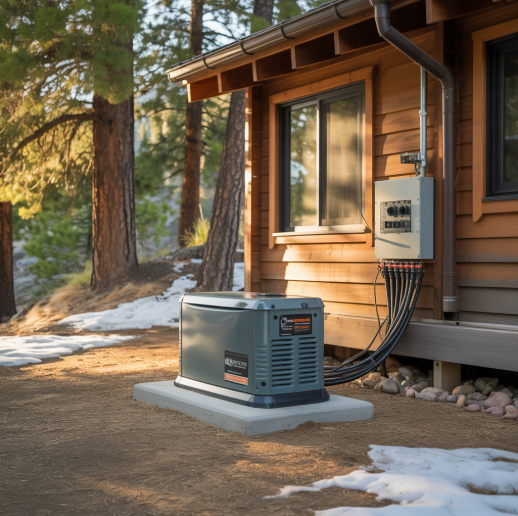
Standby generators (also called whole-home generators) are permanently installed systems that automatically detect power outages and start within seconds. They connect directly to your home's electrical panel via an automatic transfer switch, powering your entire home or selected critical circuits.
Advantages:
Automatic operation—no action required during outages
Runs on natural gas or propane, eliminating gasoline storage concerns
Can power your entire home indefinitely
Professional installation ensures proper sizing and code compliance
Weatherproof outdoor enclosure handles Big Bear snow and cold
Quiet operation (much quieter than portable units)
Increases home resale value
Weekly self-test cycles ensure readiness
Disadvantages:
Higher upfront cost ($5,000-15,000+ including installation)
Requires professional installation and permits
Annual maintenance recommended
Propane fuel source may require tank installation if property lacks natural gas service
Best for:
Full-time Big Bear residents
Properties with well water systems
Homes with medical equipment needs
Vacation rentals requiring uninterrupted service
Homeowners wanting hands-off backup power solution
Anyone who has experienced extended outages and never wants to repeat it
Big Bear Considerations:
Standby generators excel in mountain conditions. Cold-weather operation is built-in. Propane doesn't degrade like gasoline. Automatic operation means your heat stays on and pipes don't freeze even if you're not home when the outage hits. For vacation rental owners, standby generators mean guests barely notice outages, protecting reviews and revenue.
Inverter Generators
Inverter generators are advanced portable units that produce cleaner power suitable for sensitive electronics. They're quieter and more fuel-efficient than conventional portable generators.
Advantages:
Clean power safe for computers, TVs, and electronics
Significantly quieter than conventional portable generators
More fuel-efficient (can run 8-12 hours on a tank)
Lighter weight and more compact
Parallel capability (connect two units for more power)
Disadvantages:
More expensive than conventional portable generators ($800-3,000)
Lower maximum output than similarly priced conventional units
Still requires manual setup and fuel management
Outdoor operation and extension cords/transfer switch needed
Best for:
Tech-focused homeowners protecting expensive equipment
Part-time residents wanting cleaner, quieter portable power
Properties where noise is a concern
Supplementing standby generators for super-extended outages
Big Bear Considerations:
Inverter generators work well for Big Bear's weekend cabin owners who visit regularly enough to maintain equipment but don't need whole-home automatic backup. The quiet operation is appreciated in our tight-knit neighborhood settings.
How to Size a Generator for Your Big Bear Home
Undersized generators are useless. Oversized generators waste money and fuel. Proper sizing ensures your generator handles your actual needs without breaking the bank.
Calculate Your Power Requirements
Generator capacity is measured in watts. To size correctly, you need to add up the wattage of everything you want to run simultaneously during an outage.
Critical Loads (These should always be included):
Refrigerator: 600-800 watts running, 1,200-2,000 watts starting
Freezer: 500-700 watts running, 1,200-1,500 watts starting
Well pump (if applicable): 1,000-2,000 watts running, 3,000-4,000 watts starting
Furnace blower: 600-900 watts
Lights (LED): 10-20 watts per fixture
Internet modem/router: 50-100 watts
Phone chargers: 25 watts each
Comfort/Convenience Loads:
Television: 100-400 watts
Microwave: 600-1,200 watts
Coffee maker: 800-1,500 watts
Space heater: 1,500 watts
Hair dryer: 1,500-1,800 watts
Window AC unit: 900-1,500 watts
Starting Watts vs. Running Watts:
Electric motors (refrigerators, well pumps, furnace blowers) require 2-3 times their running wattage to start. Your generator must handle these surge requirements. Quality generators specify both running watts (continuous capacity) and starting watts (surge capacity).
Typical Sizing for Big Bear Homes
Small Cabin (800-1,200 sq ft):
Portable Generator: 5,000-7,000 watts running, 7,000-9,000 watts starting
Standby Generator: 10-14 kW
Medium Home (1,200-2,000 sq ft):
Standby Generator: 14-20 kW
Large Home (2,000+ sq ft or multiple buildings):
Standby Generator: 20-30+ kW
With Well Pump:
Add 5-7 kW to account for high starting loads
With Electric Heat:
Add 10-15 kW or consider propane/natural gas heating as an alternative
Professional Load Calculation
While you can estimate power needs using the calculations above, professional electricians perform detailed load calculations that account for:
Actual appliance specifications (not estimates)
Simultaneous demand factors (not everything runs at once)
Starting surge requirements for all motors
Future expansion needs
Code requirements for essential circuits
Optimal generator sizing for fuel efficiency
Big Bear Electric Pros provides free load calculations as part of generator installation quotes. Proper sizing saves money both in equipment costs and long-term fuel consumption.
Portable Generator Safety for Big Bear Homeowners
Portable generators are useful tools, but they're also responsible for numerous deaths every year—primarily from carbon monoxide poisoning. If you're using a portable generator in Big Bear, these safety rules are non-negotiable.
Carbon Monoxide Dangers
Carbon monoxide (CO) is an invisible, odorless gas produced by gasoline engines. It kills quickly, and victims often don't realize they're being poisoned until it's too late.
Critical Safety Rules:
NEVER run generators indoors—not in garages, basements, crawl spaces, or sheds, even with doors/windows open
Place generators at least 20 feet from your home—farther from doors, windows, and vents
Position generators downwind from your home to prevent fumes from entering through air infiltration
Install carbon monoxide detectors on every level of your home and outside sleeping areas
Never run generators in partially enclosed spaces like carports or covered porches
Big Bear Specific Concerns:
Winter outages tempt people to move generators closer to buildings or under cover to protect them from snow. Don't do it. Even generators in open garages with doors fully raised produce lethal CO concentrations. Use weatherproof covers instead and maintain safe distance.
Extension Cord Safety
If you're powering appliances directly from a portable generator without a transfer switch, extension cord selection is critical.
Safe Extension Cord Practices:
Use heavy-duty, outdoor-rated cords (12-gauge minimum for 1,500+ watts)
Keep cords as short as possible to minimize voltage drop
Inspect cords for damage before each use
Never overload cords (check amp ratings)
Keep connections dry and elevated off snow/wet ground
Don't run cords through windows or doors (creates pinch points and prevents proper sealing)
Power Strip Prohibition:
Never plug generators into power strips or light-duty extension cords. The sustained high amperage causes overheating and fires.
Fuel Storage and Handling
Gasoline is highly flammable and poses significant risks when stored improperly.
Safe Fuel Practices:
Store gasoline in approved red containers (never more than 5 gallons per container)
Keep fuel storage at least 50 feet from buildings and ignition sources
Never store gasoline in your cabin or attached garage
Use fuel stabilizer (gas degrades in 30-60 days without it)
Transport fuel in secured, upright positions
Never refuel hot generators—let them cool 10-15 minutes first
Keep fire extinguisher nearby during refueling and operation
Big Bear Altitude Considerations:
Gasoline evaporates faster at high altitude. Containers must be properly sealed. Vapor buildup in storage areas creates explosion risks. Many Big Bear homeowners keep generators on propane to eliminate gasoline storage concerns entirely.
Grounding and Electrical Safety
Portable generators must be properly grounded to prevent electrical shock.
Grounding Requirements:
Drive a copper ground rod 4-8 feet into earth
Connect generator frame to ground rod using appropriate gauge wire
Test grounding annually
Never operate generators on wet surfaces or during precipitation without weatherproof covering
Keep generators dry—moisture + electricity = electrocution risk
Manual Transfer Switch Installation
The safest way to operate portable generators is through a manual transfer switch professionally installed by a licensed electrician.
Transfer Switch Benefits:
Eliminates dangerous extension cords
Prevents backfeeding (electricity flowing backward into utility lines, endangering repair workers)
Powers hardwired appliances like well pumps and heating systems
Allows selecting specific circuits to power
Meets code requirements
Provides weatherproof generator connection point
Installation Cost:
Manual transfer switch installation typically costs $800-1,500 including materials, labor, and permits. This is money well spent for safety and functionality.
Standby Generator Installation Requirements in Big Bear
Whole-home standby generators require professional installation to ensure safety, code compliance, and proper operation in Big Bear's mountain environment.
Professional Installation Steps
1. Site Assessment and Planning:
Licensed electricians evaluate your property to determine:
Optimal generator placement (code requires 5 feet from windows/doors, 60 inches from propane tanks)
Fuel source options (propane tank location or natural gas line routing)
Electrical panel capacity and transfer switch requirements
Concrete pad specifications for stable mounting
Exhaust routing away from windows and air intakes
Snow load considerations and drainage
Noise impact on your home and neighbors
2. Permit and Code Compliance:
Generator installations require electrical and potentially building permits from San Bernardino County. Permitted installations ensure:
Work meets California electrical code
Inspections verify safe installation
Homeowners insurance requirements are satisfied
Future home sales proceed smoothly (unpermitted work creates title problems)
3. Fuel System Installation:
Standby generators run on propane or natural gas. Most Big Bear homes use propane since natural gas service is limited.
Propane System Requirements:
Tank sizing (typically 500-1,000 gallon tanks for whole-home generators)
Tank placement meeting setback requirements
Underground or above-ground installation
Gas line routing and pressure regulation
Professional propane service setup
Usage calculations for determining tank refill frequency
4. Electrical Connection:
Electricians install automatic transfer switches that:
Detect utility power loss within milliseconds
Disconnect your home from the grid (preventing dangerous backfeeding)
Start the generator automatically
Switch your home to generator power
Monitor utility power restoration
Transfer back to utility power when stable
Shut down the generator after cool-down period
Transfer switches can power your entire home or selected critical circuits depending on generator sizing and your budget.
5. Concrete Pad Installation:
Generators require stable, level mounting on concrete pads that:
Extend 6+ inches beyond generator footprint
Include slight slope for drainage
Withstand snow loads and freeze-thaw cycles
Remain level as ground shifts seasonally
6. Final Inspection and Commissioning:
After installation, electricians test all systems, obtain final inspections, train homeowners on operation, and program weekly exercise cycles.
Installation Timeline and Costs
Timeline:
Complete standby generator installation typically takes 2-4 weeks from initial consultation to final commissioning:
Week 1: Site assessment, design, and permit application
Week 2-3: Permit approval, equipment ordering
Week 3-4: Installation and inspection
Costs for Big Bear Installations:
Generator unit: $3,000-8,000 (depending on size)
Automatic transfer switch: $1,000-2,500
Concrete pad: $500-800
Electrical installation labor: $2,000-4,000
Propane tank (if needed): $1,500-3,000
Gas line installation: $500-1,500
Permits and inspections: $300-600
Total typical range: $8,000-$18,000
Premium installations with larger generators, whole-home coverage, and complex propane systems may exceed $20,000.
While this represents significant investment, consider:
One frozen pipe incident can cost $10,000+ in repairs
Lost vacation rental income during outages
Increased home resale value (generators transfer with property)
Peace of mind knowing your family and property are protected
Big Bear-Specific Installation Challenges
Mountain installations present unique considerations electricians must address:
Altitude Adjustments:
Generators must be derated (reduced capacity) at Big Bear's elevation. The lower oxygen content at 6,750 feet reduces combustion efficiency. Manufacturers provide derating charts, typically reducing capacity by 3-4% per 1,000 feet above sea level. This means a 20kW generator at sea level produces approximately 18kW in Big Bear.
Cold Weather Operation:
Generators must be specified for cold-weather operation. Features include:
Cold-start battery systems
Block heaters maintaining oil temperature
Weatherproof enclosures handling snow accumulation
Heated enclosures for extreme conditions
Snow Load Protection:
Generator installations must account for Big Bear's heavy snow loads:
Elevated mounting preventing snow burial
Proper drainage preventing water/ice accumulation
Protected air intakes preventing snow ingestion
Clear exhaust paths preventing blockage
Propane Considerations:
Propane vaporization rates decrease in cold weather. Undersized tanks may not supply adequate fuel during sustained cold snaps. Proper tank sizing for Big Bear conditions requires calculating usage at the coldest expected temperatures, not just average winter conditions.
Maintenance Requirements for Reliable Generator Operation
Generators are like insurance—you hope you never need them, but when you do, they must work flawlessly. Proper maintenance ensures reliability when the power goes out.
Weekly Exercise Cycles
Standby generators automatically run weekly exercise cycles (typically 15-20 minutes) that:
Keep engine components lubricated
Prevent fuel system gumming
Charge the starting battery
Verify automatic start functionality
Identify problems before emergencies occur
These cycles generate noise temporarily. Schedule them for times that minimize neighbor disruption (most systems allow programming preferred exercise days/times).
Monthly Visual Inspections
Homeowners should perform monthly visual checks:
Verify generator area remains clear of debris, snow, pine needles
Check for visible damage, corrosion, or animal nests
Ensure air vents are unobstructed
Verify exhaust pipes are intact and clear
Look for fuel or oil leaks
Confirm propane tank has adequate fuel
Annual Professional Maintenance
Licensed electricians or generator technicians should perform annual maintenance including:
Oil and Filter Changes:
Generators use engine oil just like cars. Annual changes (or per manufacturer specifications) maintain lubrication and prevent engine wear.
Air Filter Replacement:
Big Bear's dusty summer conditions and pine pollen clog air filters faster than urban environments. Clean air filters ensure proper combustion and full power output.
Spark Plug Inspection/Replacement:
High-altitude operation makes spark plugs work harder. Regular replacement ensures reliable starting and smooth operation.
Battery Testing:
Standby generators use batteries for electric starting. Load testing verifies batteries will perform during emergencies, and replacements occur before failure.
Fuel System Inspection:
Technicians check fuel lines, connections, filters, and regulators for leaks, corrosion, or deterioration.
Transfer Switch Testing:
Verify automatic transfer switches respond correctly to simulated outages and switch loads properly between utility and generator power.
Control System Diagnostics:
Modern generators have computerized control systems. Diagnostic scans identify potential issues before they cause failures.
Load Testing:
Periodically running generators under actual load conditions (rather than just no-load exercise cycles) verifies full capacity operation.
Annual Maintenance Costs:
Professional maintenance typically costs $300-600 annually depending on generator size and required services. This small investment prevents $2,000+ emergency repair calls during actual outages.
Propane Tank Monitoring
For propane-powered generators, monitoring tank levels prevents running out of fuel during extended outages:
Check gauge levels monthly
Schedule refills when reaching 30% capacity
Arrange automatic delivery with propane suppliers
During PSPS or storm warnings, ensure tanks are full
Propane suppliers serving Big Bear sometimes face delivery delays during heavy storms. Don't wait until you're empty.
Winter Preparation
Before winter storm season (typically November-April in Big Bear), complete these preparations:
Schedule annual professional maintenance
Verify propane tanks are full
Clear snow away from generators after each storm
Test generator under load to confirm cold-weather operation
Verify transfer switch functionality
Check that block heaters (if equipped) are operating
Record Keeping
Maintain maintenance logs documenting:
Service dates and work performed
Parts replaced
Oil changes and filter replacements
Any repairs or adjustments
Propane refills and consumption rates
Good records help technicians diagnose problems and prove maintenance history for warranty claims or home sales.
Choosing a Generator Installation Company in Big Bear
Generator installation is specialized electrical work requiring experience, proper licensing, and familiarity with mountain-specific challenges. Not all electricians are qualified for this work.
Essential Qualifications
Proper Licensing:
California requires C-10 electrical contractor licenses for generator installations. Verify:
Current California contractor's license
Liability insurance coverage
Workers compensation insurance
Bonding meeting state requirements
Manufacturer Certifications:
Quality installers maintain certifications from major generator manufacturers (Generac, Kohler, Cummins, etc.) demonstrating:
Factory training on installation procedures
Authorization to install and warranty equipment
Access to technical support and parts
Knowledge of model-specific requirements
Local Experience:
Big Bear installations differ from lower-elevation work. Choose electricians with:
Experience with altitude derating and adjustments
Knowledge of San Bernardino County permit requirements
Familiarity with snow load and cold-weather considerations
Understanding of propane systems in mountain environments
Relationships with local propane suppliers
Questions to Ask Before Hiring
1. Are you licensed and insured for generator installations in California?
Request proof of current licensing and insurance. Never hire unlicensed contractors regardless of price savings.
2. How many generator installations have you completed in Big Bear or similar mountain communities?
Experience matters. Altitude adjustments, cold-weather specifications, and snow load considerations require knowledge that only comes from mountain installation experience.
3. What brands do you recommend and why?
Quality installers work with multiple manufacturers and can explain advantages/disadvantages of each for your specific situation.
4. Will you handle all permit applications and inspections?
Professional installers manage the entire permitting process, ensuring code compliance and proper inspections.
5. Do you provide load calculations and sizing recommendations?
Proper sizing requires detailed calculations, not guesswork. Installers should analyze your actual power requirements and provide written recommendations.
6. What warranty coverage do you provide?
Labor warranties (typically 1-2 years) protect against installation defects. Equipment warranties (5-10 years) come from manufacturers but require proper installation for validity.
7. Do you offer maintenance plans?
Many installers provide annual maintenance plans at discounted rates, ensuring ongoing reliability.
8. Can you provide references from Big Bear installations?
Speaking with previous customers provides insights into work quality, professionalism, and long-term satisfaction.
9. What is the complete installation timeline?
Understanding the full timeline helps you plan, especially if you're trying to complete installation before winter storm season.
10. What payment terms do you require?
Typical arrangements include deposits upon contract signing, progress payments during installation, and final payment after successful inspection. Avoid contractors demanding full payment upfront.
Red Flags to Avoid
Unlicensed Contractors:
"Handymen" or unlicensed individuals cannot legally perform generator installations. Work performed by unlicensed contractors:
Violates state law
Creates liability if problems occur
May not be covered by homeowners insurance
Cannot be permitted or inspected
Voids equipment warranties
Pressure Sales Tactics:
Quality companies provide information and allow you to make informed decisions. Avoid companies that:
Pressure immediate decisions
Offer "today only" pricing
Use scare tactics
Discourage getting multiple quotes
Rock-Bottom Pricing:
Generator installation requires quality equipment, skilled labor, proper materials, permits, and inspections. If a quote seems too good to be true, the installer is either:
Cutting corners on materials or labor
Planning unpermitted work
Underestimating the job (leading to upcharges later)
Financially unstable (may not complete the work)
No Written Contracts:
Professional installers provide detailed written contracts specifying:
Equipment models and specifications
Complete scope of work
Itemized costs
Payment schedule
Timeline
Warranty terms
Permit responsibilities
Verbal agreements provide no protection if problems arise.
Generator Noise Considerations in Big Bear Neighborhoods
Big Bear's tight-knit neighborhoods mean generator noise affects neighbors as well as your household. Being a good neighbor while maintaining backup power requires thoughtful planning.
Generator Noise Levels
Generators produce noise measured in decibels (dB):
Portable generators: 65-100 dB (loud conversation to lawnmower level)
Inverter generators: 50-65 dB (conversation to moderate restaurant)
Standby generators: 60-70 dB (conversation to vacuum cleaner)
For context, normal conversation measures about 60 dB. Every 10 dB increase represents a doubling of perceived loudness.
Minimizing Noise Impact
Generator Selection:
Modern standby generators include sound-dampening enclosures significantly quieter than older models or portable units. When choosing generators, compare sound ratings and prioritize quieter models when possible.
Strategic Placement:
Install generators on property sides away from neighbors' windows and outdoor living areas. Use your home structure as a sound barrier between the generator and adjacent properties.
Sound Barriers:
Landscape features provide natural sound dampening:
Solid fencing between generator and neighbors
Dense evergreen screening
Earth berms or retaining walls
Combination landscaping/fencing approaches
Never fully enclose generators in ways that restrict air flow or exhaust—this creates carbon monoxide dangers and equipment overheating.
Exercise Cycle Scheduling:
Program weekly exercise cycles for times that minimize disruption (avoid early mornings, evenings, or weekend mornings when neighbors are likely home relaxing).
Neighbor Communication:
Before installing generators, discuss plans with adjacent neighbors. Explain the necessity, describe noise mitigation measures, and address concerns. Most neighbors understand the need for backup power, especially when installers demonstrate consideration through thoughtful planning.
During Extended Outages
When prolonged outages require multi-day generator operation, continue demonstrating consideration:
Shut down generators during quiet hours (10 PM - 7 AM) if your situation allows
Consider rotating operation times if multiple homes are running generators
Recognize that everyone's stressed during outages—patience and understanding go a long way
Generator Installation and Home Value in Big Bear
Beyond emergency preparedness, standby generators represent significant home improvements affecting property value and marketability.
Increased Resale Value
Professionally installed standby generators typically increase home values by $5,000-$10,000—approximately 50-75% of installation costs. In Big Bear's market where power reliability is a known concern, generators provide tangible selling points.
Faster Sales
Properties with standby generators sell faster than comparable homes without backup power. Buyers recognize the value immediately, especially:
Buyers relocating from areas where power outages are rare
Second home buyers concerned about protecting vacant properties
Buyers requiring medical equipment reliability
Buyers planning vacation rental operations
Insurance Considerations
Some homeowners insurance providers offer premium discounts for properties with standby generators because they:
Reduce frozen pipe claims
Maintain security system operation
Prevent food loss claims
Minimize vacancy-related risks
Discounts typically range from 5-15% depending on the insurer and your specific coverage.
Vacation Rental Competitive Advantage
For Big Bear vacation rental properties, standby generators provide:
Fewer cancellations during storm warnings
Ability to maintain higher rates (reliability premium)
Positive reviews mentioning uninterrupted service
Reduced refund requests
Property protection during vacant periods
The investment pays for itself through preserved rental income and reduced operational headaches.
Financing Options for Generator Installations
The upfront cost of standby generator installation—$8,000-$18,000+—represents significant investment. Financing options make backup power more accessible.
Home Equity Lines of Credit (HELOC)
HELOCs typically offer the lowest interest rates for home improvements because they're secured by your property. Big Bear homeowners with available equity can finance generator installations at rates significantly below personal loans or credit cards.
Contractor Financing
Many generator installation companies partner with financing providers offering:
Promotional 0% APR periods (12-24 months)
Longer-term payment plans (5-10 years)
Streamlined approval processes
Payment plans starting after installation completion
Review all terms carefully—promotional rates typically require payoff before expiration to avoid deferred interest charges.
Home Improvement Loans
Banks and credit unions offer unsecured home improvement loans for 3-7 year terms. Interest rates are higher than HELOCs but lower than credit cards, and no home equity is required.
Energy Efficiency Incentives
While standby generators don't typically qualify for energy efficiency rebates, some related improvements may:
Transfer switch installations as part of solar battery systems
Combined generator/solar installations
Electric panel upgrades required for generator installation
Check with local utilities and the Database of State Incentives for Renewables & Efficiency (DSIRE) for current programs.
Protect Your Big Bear Investment with Professional Generator Installation
Power outages in Big Bear aren't theoretical concerns—they're regular occurrences that every homeowner eventually experiences. Whether you face winter storms, summer wildfires, or PSPS shutdowns, losing electricity in our mountain community creates real dangers and significant expenses.
Backup generators provide peace of mind, property protection, and maintained quality of life during outages that would otherwise mean frozen pipes, spoiled food, uncomfortable temperatures, and potential safety risks.
From portable units providing emergency basics to whole-home standby systems offering seamless automatic backup power, the right generator solution depends on your property, budget, and how you use your Big Bear home.
What's non-negotiable is professional installation and regular maintenance. Generators are sophisticated electrical systems requiring expert installation to ensure safety, reliability, and code compliance. Cutting corners risks carbon monoxide poisoning, electrical fires, voided warranties, and system failure when you need backup power most.
Ready to Protect Your Big Bear Home with Backup Power?
Big Bear Electric Pros specializes in generator installations throughout the San Bernardino Mountains. Our licensed electricians provide:
Comprehensive power requirement analysis and generator sizing
Site evaluation and placement planning specific to Big Bear conditions
Professional installation meeting all California electrical codes
Permit handling and inspection coordination
Propane system design and coordination with fuel suppliers
Altitude adjustments and cold-weather specifications
Transfer switch installation and programming
Annual maintenance plans ensuring ongoing reliability
Emergency generator repairs when your system needs service
We work with all major generator manufacturers and can recommend the right system for your property, budget, and backup power needs.
Call (909) 415-5573 for a free generator consultation and installation quote.
Don't wait for the next power outage to wish you'd installed a generator. Protect your family, property, and investment with professional backup power solutions from Big Bear Electric Pros.
Serving Big Bear Lake, Big Bear City, Fawnskin, Sugarloaf, Running Springs, and all San Bernardino Mountain communities.
Big Bear Planned Power Outage Oct. 16–17: BVES's Timeline, Rolling Blackouts, and What to Do Tonight
SCE will de-energize Big Bear's main line at 2 a.m. Oct 17. BVES expects to power about 80% of customers and rotate the rest. Timeline and prep. (909) 415-5573
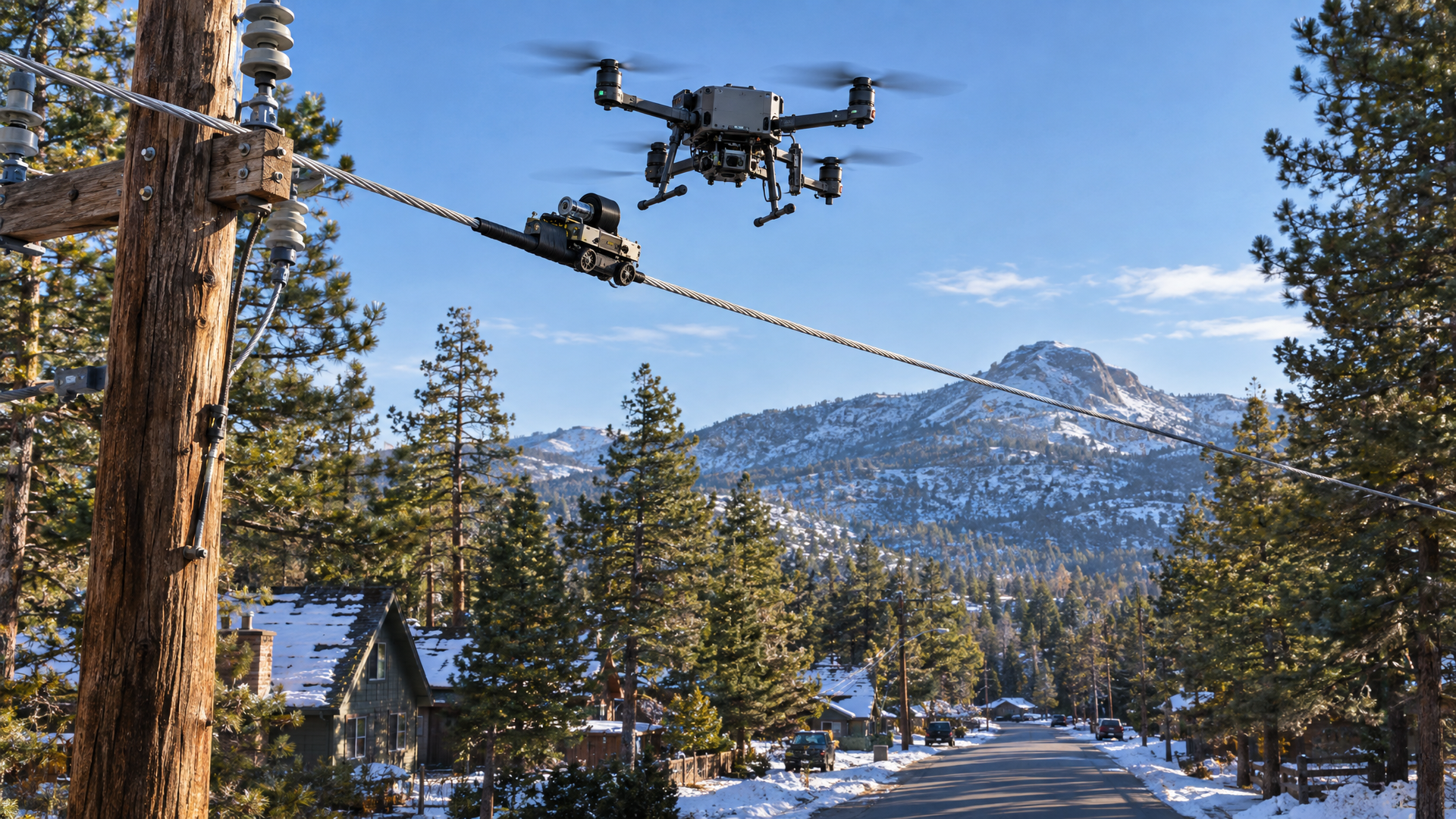
BVES is using robots to insulate bare power lines in Sugarloaf, at less than half the usual cost. What it means for Big Bear outages, bills, and your home.
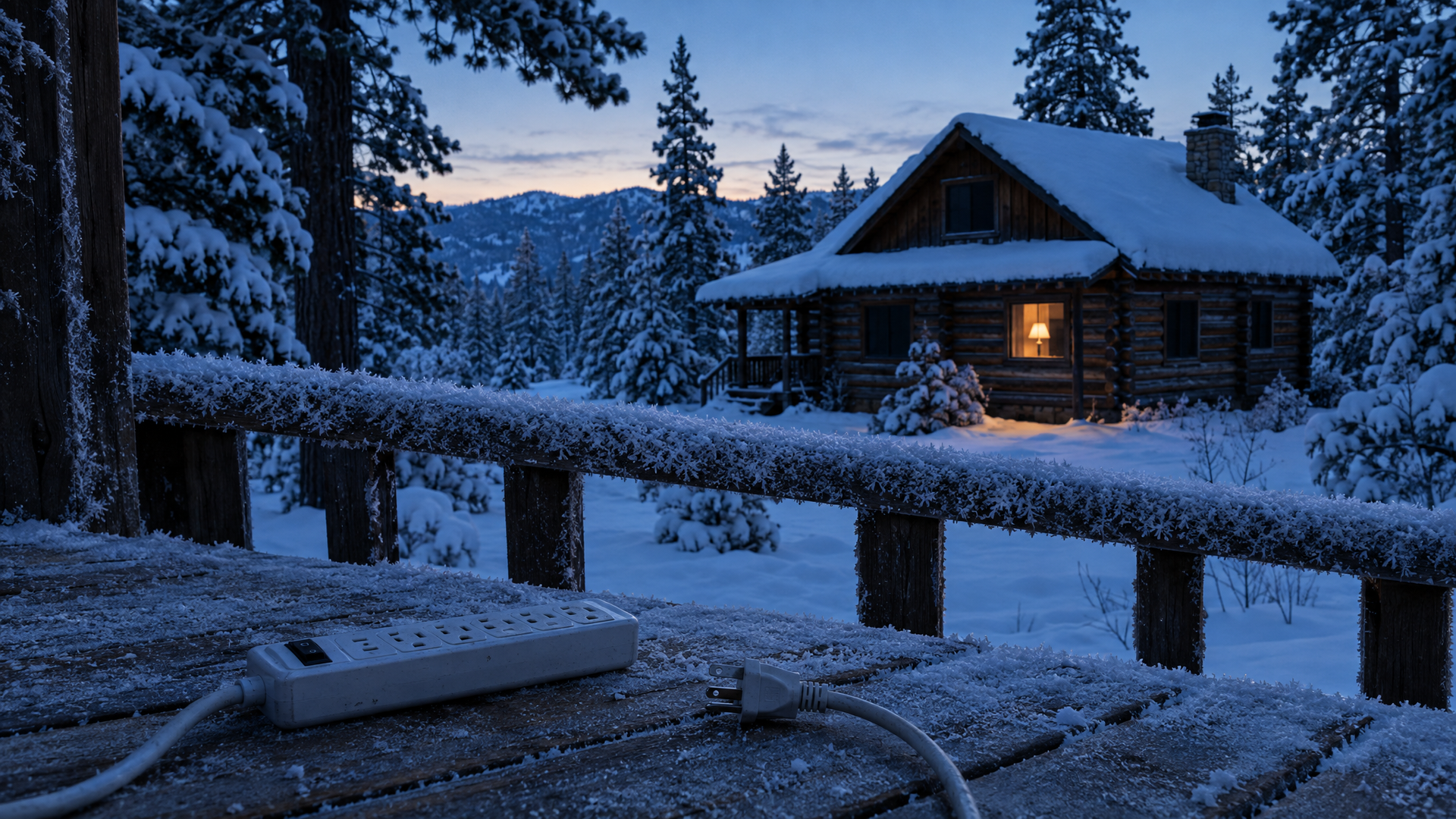
Power back on after a Big Bear outage or PSPS? Unplug first, restore loads one at a time, and know the 4-hour food rule. (909) 415-5573
BVES wants revenue increases totaling 31.89% through 2030. CPUC forums are Oct 13 and 27. What it means for your bill. (909) 415-5573
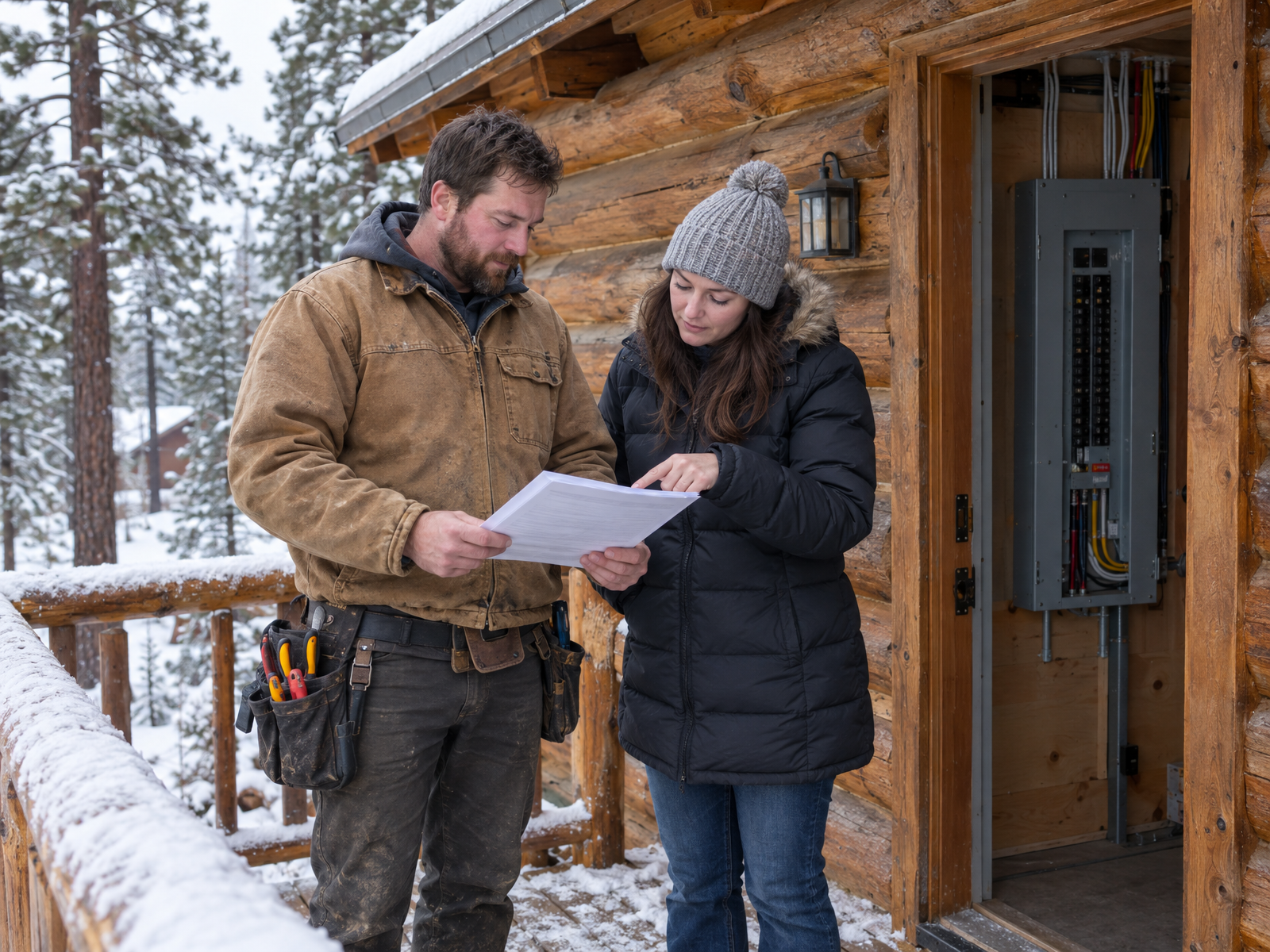
What Big Bear electricians charge, how to verify a C-10 license, and what drives mountain electrical costs up. Free estimates: (909) 415-5573.
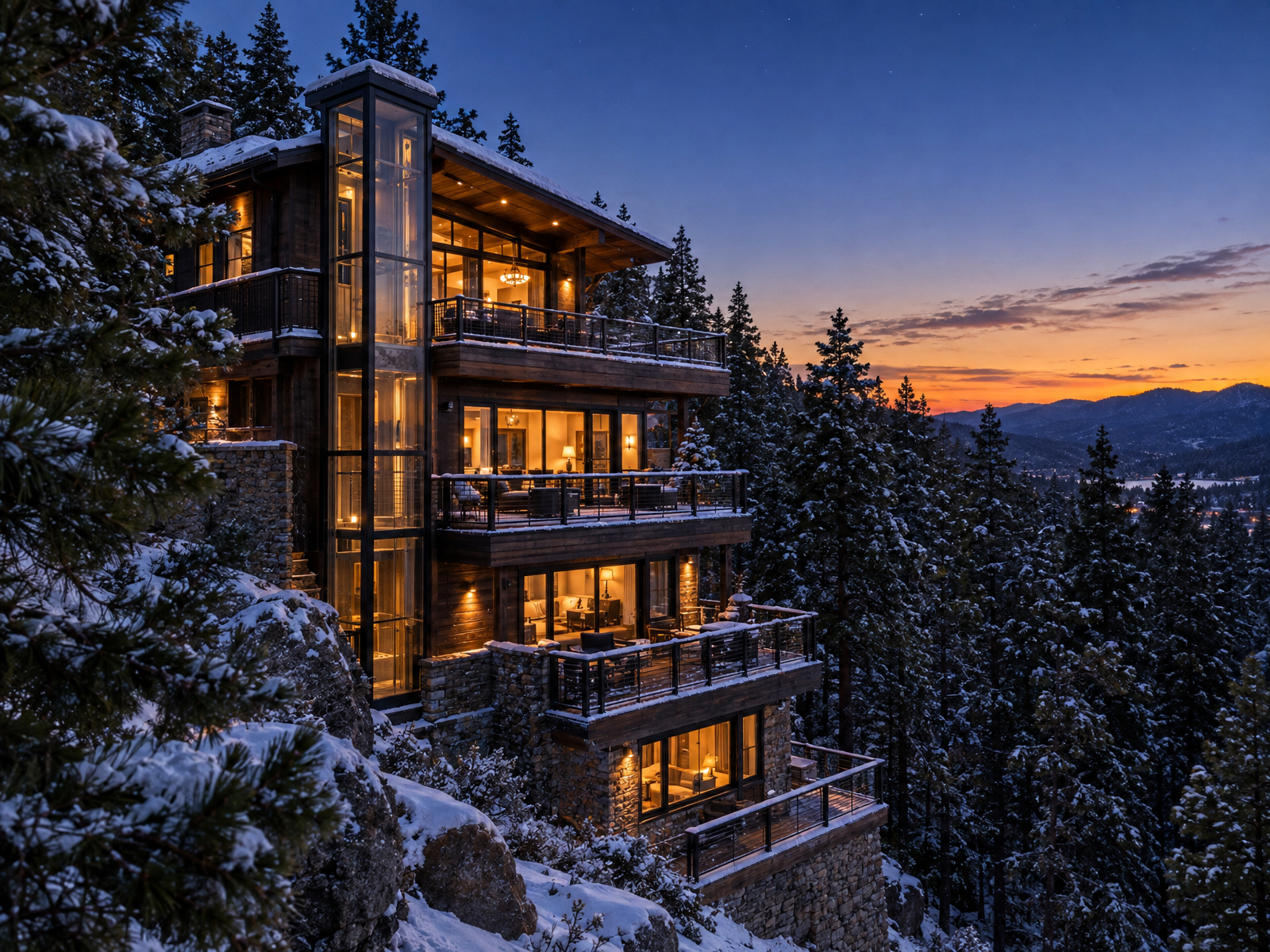
Home elevators need two separate dedicated circuits under NEC 620 and ASME A17.1. Why multi-level Big Bear cabins need this more than most. (909) 415-5573.
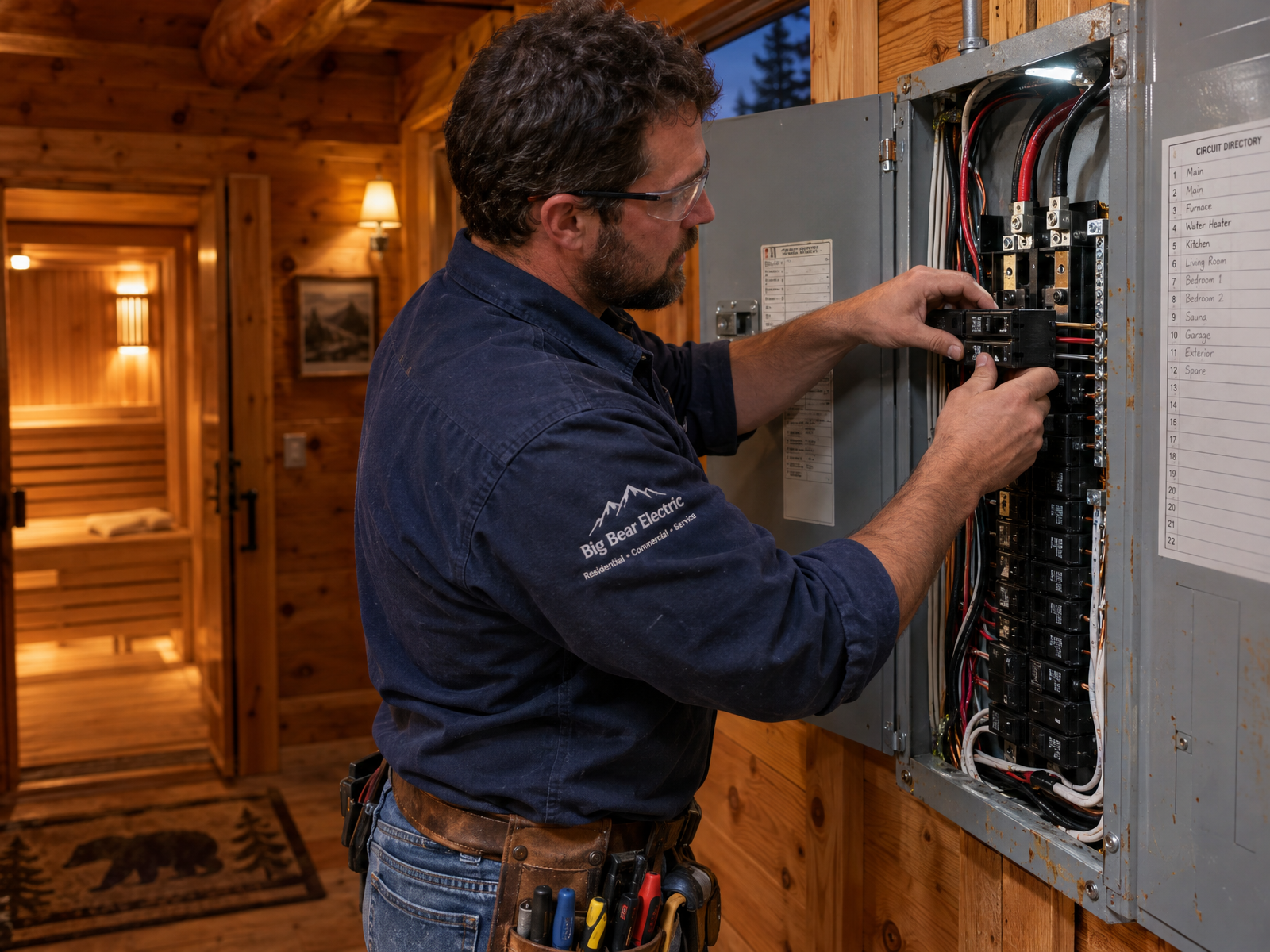
Every sauna heater needs a dedicated 240V circuit sized by wattage. What breaker and wire size your heater actually needs. (909) 415-5573.
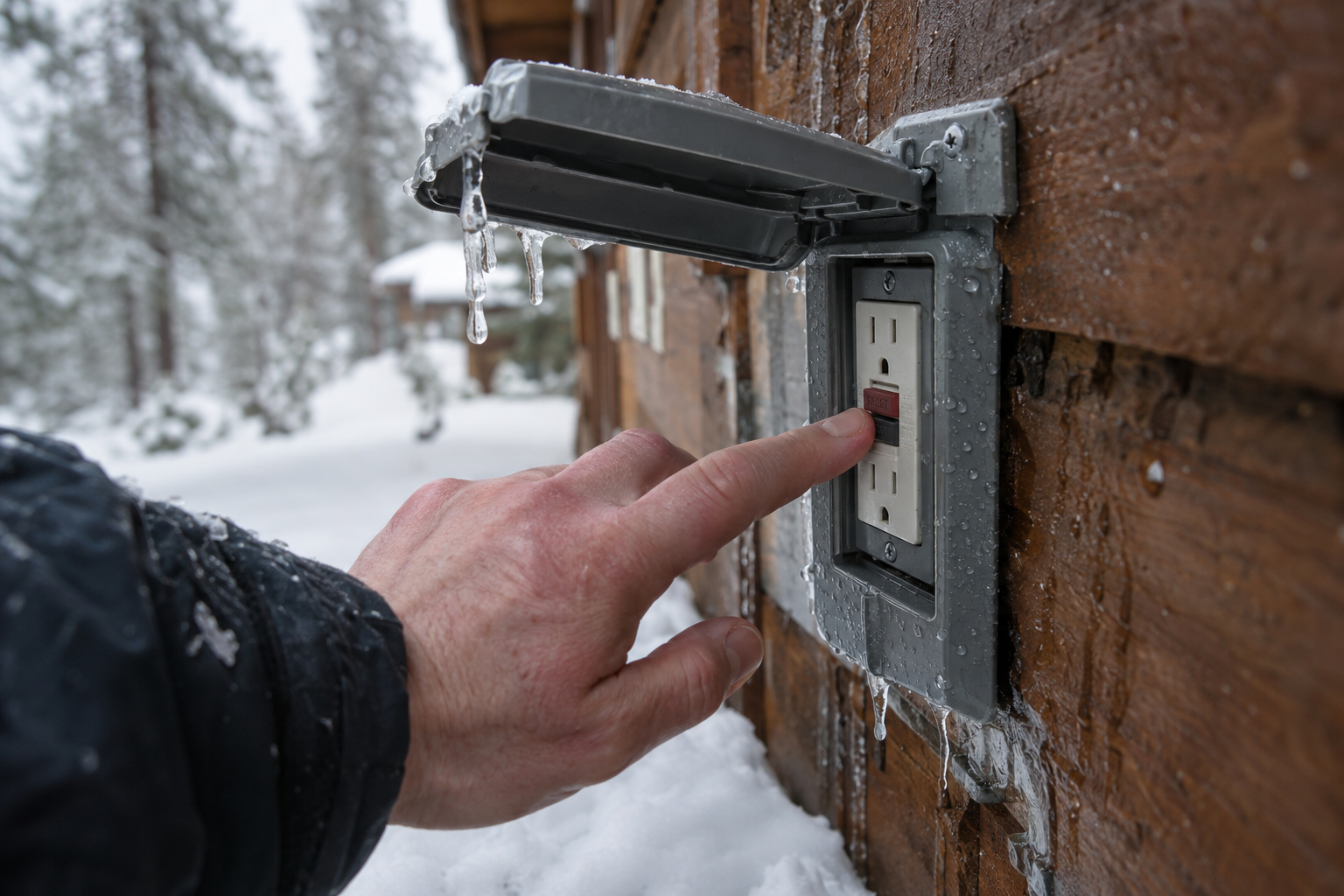
Snowmelt, ice dams, and road salt all trip a GFCI for a reason. Why outdoor outlets act up in a Big Bear winter, and when it's just the device. (909) 415-5573.
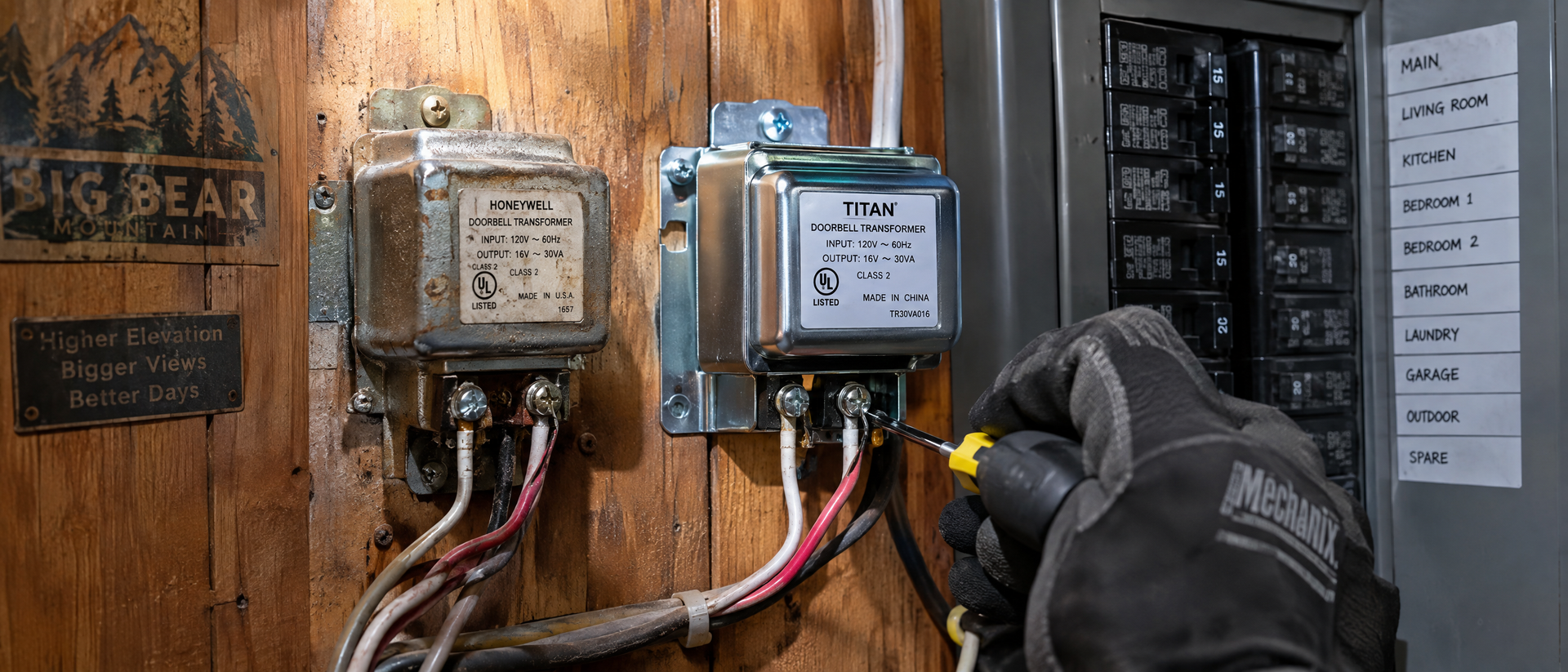
Old doorbell transformers built for simple chimes can't power a modern video doorbell. What voltage and VA rating actually work. (909) 415-5573.
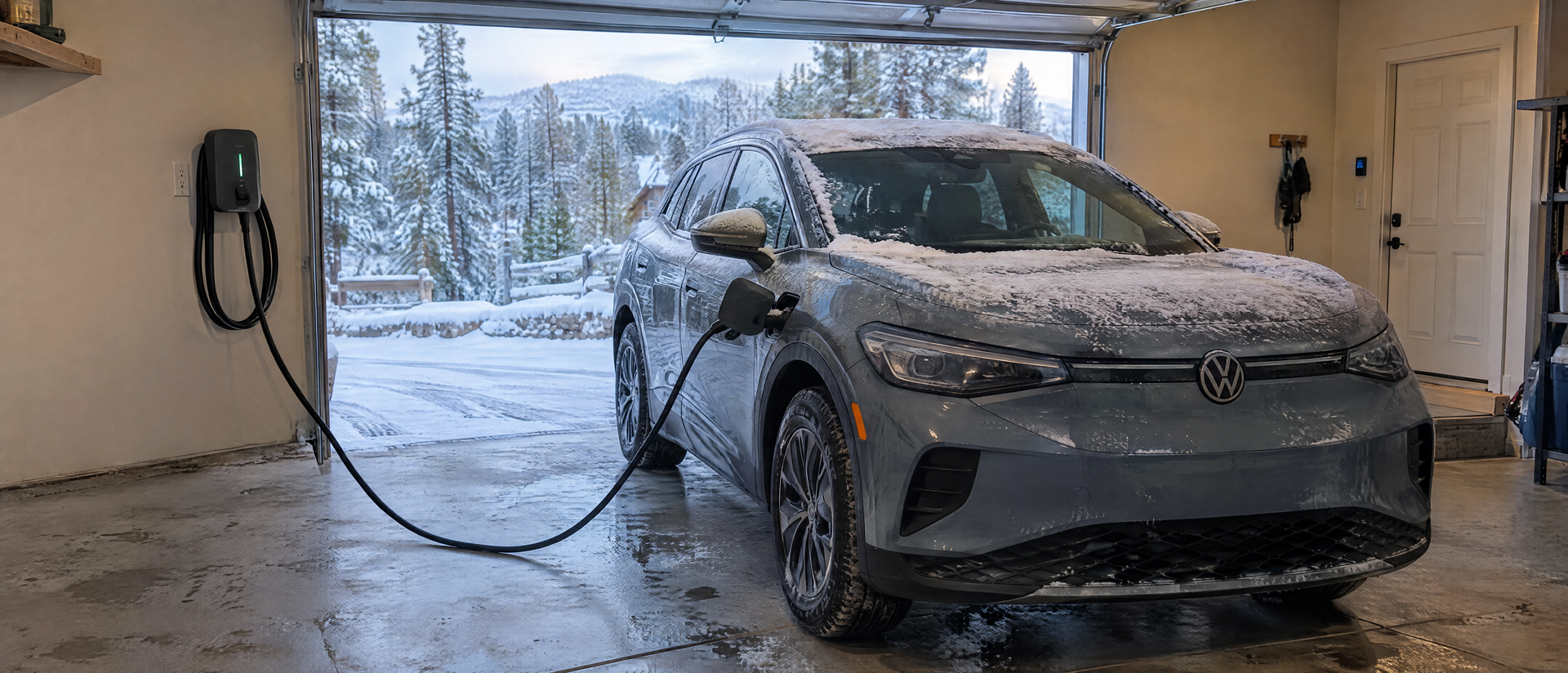
Cold can cut EV range by over 40% and slow charging speed significantly. Why Big Bear's winter climate makes a proper home charger matter more.