EV Charger Installation in Big Bear: Complete Guide for Mountain Homeowners (2024-2025)
December 9, 2025
EV Charger Installation in Big Bear: Complete Guide for Mountain Homeowners (2024-2025)
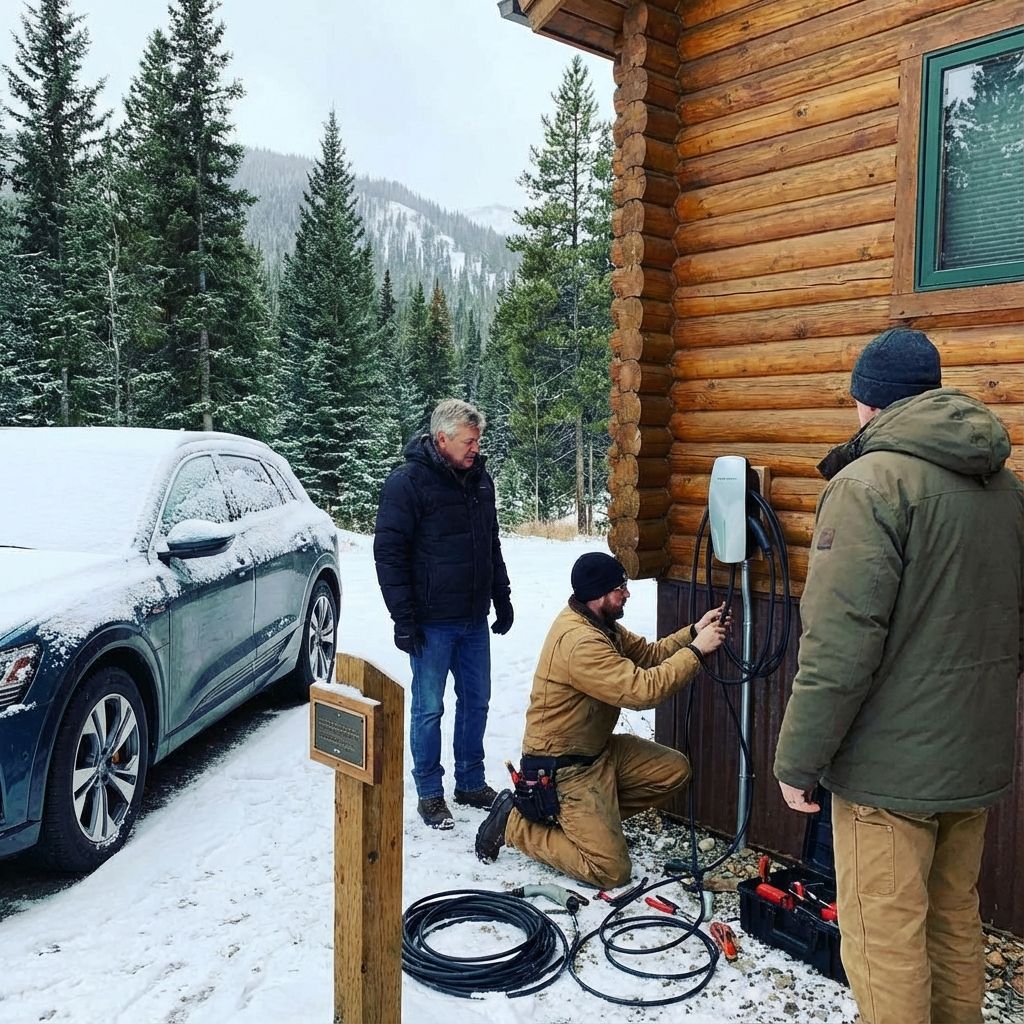
Electric vehicles have arrived in Big Bear.
As more mountain homeowners trade in their gas-guzzlers for Teslas, Rivians, and other EVs, one critical question keeps coming up: how do you charge an electric vehicle at 7,000 feet elevation when the nearest public fast charger is 30+ miles down the mountain?
The answer is simple but requires planning: a professionally installed Level 2 home EV charger. Unlike your neighbor who might get away with a standard outlet in the city, Big Bear's unique challenges—extreme cold, aging electrical panels, steep driveways, and limited contractor availability—make proper EV charger installation absolutely essential.
This comprehensive guide covers everything Big Bear homeowners need to know about installing an EV charger at your mountain property, from understanding the unique challenges of high-altitude charging to navigating HOA requirements, choosing the right equipment, and finding a qualified electrician who understands mountain electrical systems.
Why Big Bear EV Owners Can't Rely on Public Charging
Before we dive into installation details, let's address why a home charger isn't optional for Big Bear EV owners—it's essential.
The Nearest Fast Chargers Are 30-45 Minutes Away
The closest Tesla Superchargers and fast charging networks are located in San Bernardino, Redlands, and along the I-10 corridor. That's a 60-90 minute round trip down the mountain just to charge your vehicle—hardly convenient when you need a quick top-up before running errands in Big Bear City.
During winter storms when Highway 18 and 330 require chains or are periodically closed, those chargers become effectively inaccessible. You're stuck with whatever charge you have until roads clear.
Cold Weather Destroys EV Range
Lithium-ion batteries hate the cold, and Big Bear winters regularly drop below freezing. Your EV's rated range can decrease by 30-50% in these temperatures. That 300-mile range vehicle? It's now a 150-200 mile vehicle when it's 15°F outside and you're running the heater.
Factor in steep mountain roads with constant elevation changes, and your actual usable range shrinks even further. Starting each day with a full charge from your home Level 2 charger isn't a luxury—it's how you avoid being stranded.
Elevation Affects Charging Efficiency
At Big Bear's elevation (approximately 6,750-7,000 feet), electrical systems face unique challenges. Lower air density affects electrical component cooling, and voltage fluctuations from the mountain power grid can impact charging speeds and equipment longevity.
Professional installation that accounts for these factors ensures your charging equipment operates reliably year-round rather than failing during the first winter cold snap.
Limited Service Infrastructure
If something goes wrong with a poorly installed charger, getting it fixed in Big Bear takes time. Parts must be ordered and shipped to the mountain. Qualified electricians who understand both EV charging systems and mountain electrical challenges are limited. Cutting corners during installation just creates expensive headaches down the road.
Understanding EV Charging Levels: What Big Bear Homeowners Need
Not all EV chargers are created equal. Understanding the three charging levels helps you choose the right system for your Big Bear property.
Level 1 Charging (120V Standard Outlet)
What it is: Plugging your EV into a regular household outlet using the charging cable that came with your vehicle.
Charging speed: 3-5 miles of range per hour
Time to full charge: 40-60 hours for most EVs
Pros:
- No installation required
- Uses existing outlets
- Free (if you already have an outdoor outlet)
Cons:
- Painfully slow charging
- Inadequate for daily driving needs in Big Bear
- Circuit sharing can trip breakers
- Not viable for cold weather range loss
Big Bear reality check: Level 1 charging might work for someone who drives 10 miles per week in Los Angeles. In Big Bear, where you're driving up and down the mountain regularly, running errands across the valley, and fighting cold-weather range loss, Level 1 charging is frustratingly inadequate. You'll constantly be playing catch-up on charging.
Level 2 Charging (240V Dedicated Circuit)
What it is: A dedicated 240-volt circuit (like your dryer or oven) powering a wall-mounted EV charger.
Charging speed: 15-50 miles of range per hour (depending on circuit amperage and vehicle capabilities)
Time to full charge: 4-8 hours for most EVs
Pros:
- Fast enough for overnight charging
- Handles daily driving needs easily
- Multiple amperage options (32A, 40A, 48A)
- Can add significant home value
- Weather-resistant outdoor units available
- Smart features (scheduling, WiFi monitoring, etc.)
Cons:
- Requires professional installation ($1,000-$3,000)
- May need electrical panel upgrade
- Permits required
- Equipment costs ($400-$1,500)
Big Bear recommendation: This is what you need. Period. Level 2 charging gives you a full charge overnight, handles the range loss from cold weather and mountain driving, and ensures you're never stuck waiting days to charge. The upfront investment pays for itself in convenience and peace of mind.
Level 3 DC Fast Charging (Commercial)
What it is: High-powered commercial charging stations like Tesla Superchargers.
Charging speed: 150-300+ miles in 15-30 minutes
Big Bear reality: These systems cost $50,000-$150,000 and require commercial three-phase power. They're not practical for home installation and not necessary when you have Level 2 charging available overnight.
Unique Challenges of Big Bear EV Charger Installation
Installing an EV charger in Big Bear isn't the same as installation in urban California. Mountain properties present unique challenges that require experienced electricians.
Challenge #1: Aging Electrical Panels
Many Big Bear cabins were built in the 1960s-1980s with 100-amp electrical panels designed for simpler times. Adding a 40-50 amp EV charger circuit to a panel that's already maxed out requires a panel upgrade to 200 amps.
Signs your panel needs upgrading:
- Frequent breaker trips, especially when running multiple appliances
- Lights dimming when the furnace or well pump kicks on
- Currently using a 100-amp main panel
- Fuse box instead of breakers (definitely needs replacement)
- Visible rust or corrosion on the panel
Panel upgrades add $2,000-$4,000 to your project but solve the root capacity problem and increase your home's value and safety.
Challenge #2: Distance from Panel to Garage/Parking
Many Big Bear properties have detached garages or parking areas located 50-100+ feet from the main electrical panel. Running new 240V circuits over these distances requires:
- Larger gauge wire to prevent voltage drop (often 6 AWG or larger)
- Conduit running along or under buildings
- Potential trenching if crossing driveways or yards
- Additional protection from snow load and wildlife
Long wire runs significantly increase installation costs but are unavoidable for many Big Bear properties. Budget accordingly.
Challenge #3: Outdoor Installation Requirements
Most Big Bear homes don't have attached, heated garages. Your EV charger will likely be installed outdoors on an exterior wall or post, exposing it to:
- Subfreezing temperatures (potentially -10°F or colder)
- Heavy snow accumulation
- Ice buildup
- UV exposure at high altitude
- Wind-blown debris and pine needles
You need a charger rated for outdoor use with appropriate NEMA enclosure ratings (NEMA 3R minimum, NEMA 4 preferred for Big Bear conditions). Cheaper indoor-only units will fail within months when exposed to mountain weather.
Challenge #4: Snow and Ice Management
Big Bear gets serious snow—sometimes 3-6 feet in a single storm. Your EV charger installation must consider:
- Mounting height: Chargers should be mounted high enough to remain accessible during heavy snow (typically 4-5 feet off the ground)
- Cable management: Charging cables must stay off the ground where they'll be buried in snow or frozen in ice
- Roof avalanche zones: Avoid mounting chargers in areas where snow sliding off roofs will bury or damage them
- Drainage: Ensure conduit and junction boxes drain properly so water doesn't freeze inside
Electricians unfamiliar with Big Bear conditions often mount chargers too low or in poor locations that create problems during winter.
Challenge #5: Well Pumps and Propane Compatibility
Many Big Bear homes rely on well pumps (high electrical draw) and propane appliances. Adding an EV charger requires calculating total electrical load carefully:
- Well pumps: 15-30 amps when running
- Electric water heaters: 20-30 amps
- HVAC systems: 15-30 amps
- Electric ranges: 40-50 amps
- EV charger: 32-50 amps
If your panel can't support all these loads simultaneously, you need either a panel upgrade or a smart load management system that prevents overloading.
Challenge #6: HOA and Building Department Requirements
If your Big Bear property is in an HOA community or a condo association, you may face additional hurdles:
- Architectural approval for visible equipment
- Specific mounting location restrictions
- Color/finish requirements for aesthetic consistency
- Shared electrical panel complications in condos
San Bernardino County building department also requires electrical permits for EV charger installations. Professional electricians handle permitting, but plan for inspections and associated timeline delays.
Choosing the Right EV Charger for Your Big Bear Home
Dozens of EV chargers flood the market, ranging from $300 to $1,500+. Here's what matters for Big Bear installations.
Critical Features for Mountain Properties
1. Cold Weather Rating
Your charger must be rated for operation in subfreezing temperatures. Look for specifications listing operation down to -22°F (-30°C) or colder. Many budget chargers fail below 20°F.
2. Weather Resistance (NEMA Rating)
- NEMA 3R: Minimum acceptable for Big Bear (rain and snow resistant)
- NEMA 4: Better choice (water and ice resistant, sealed from dust)
- NEMA 4X: Premium option (adds corrosion resistance for coastal or harsh environments)
3. Hardwired vs. Plug-In
Hardwired: Electrician connects charger directly to the dedicated circuit. More permanent, cleaner installation, less expensive (no need for a 240V outlet).
Plug-in (NEMA 14-50): Charger plugs into a 240V outlet, allowing you to unplug and take it with you if you move. Adds cost for outlet installation but provides flexibility.
Big Bear recommendation: Hardwired installations are more common and cost-effective unless you plan to move soon.
4. Amperage and Charging Speed
EV chargers come in various amperages:
- 32-amp chargers: Deliver about 7.7 kW (25-30 miles of range per hour)
- 40-amp chargers: Deliver about 9.6 kW (30-35 miles per hour)
- 48-amp chargers: Deliver about 11.5 kW (35-40 miles per hour)
Your vehicle's onboard charger limits actual charging speed. A 32-amp charger works fine for most EVs. Larger chargers require proportionally larger wire and circuit breakers, increasing costs.
5. Cable Length
Standard cables are 18-20 feet. If your parking area requires longer reach, look for chargers with 25-foot cables. You can't extend charging cables with ordinary extension cords—this creates safety hazards.
6. Smart Features
Modern EV chargers offer WiFi connectivity, smartphone apps, scheduling, energy monitoring, and usage tracking. These features add $100-300 to the cost but provide valuable capabilities:
- Schedule charging during off-peak hours (if you have time-of-use electricity rates)
- Monitor charging progress remotely
- Receive notifications when charging completes
- Track energy usage and costs
If you rent your Big Bear property as a vacation rental, smart chargers allow you to control access and potentially charge guests for electricity usage.
Recommended EV Chargers for Big Bear
Budget-Friendly Option: ChargePoint Home Flex ($599-699)
- Up to 50 amps
- NEMA 4 rated (excellent weather resistance)
- Cold weather rated to -22°F
- 23-foot cable
- WiFi enabled with app
- Hardwired or plug-in options
Mid-Range Choice: JuiceBox 40 ($629-699)
- 40 amp capacity
- NEMA 4 rated
- 24-foot cable
- WiFi and app control
- Voice assistant compatibility
- Load sharing capability
Premium Pick: Tesla Wall Connector ($475-550)
- Up to 48 amps
- NEMA 3R rated (adequate for most Big Bear installations)
- 24-foot cable
- WiFi enabled
- Optimized for Tesla vehicles but works with all EVs using J1772 adapter
- Sleek, minimalist design
Universal Option: Grizzl-E Classic ($399-469)
- 40 amp capacity
- NEMA 4 rated
- Operates -40°F to 140°F (exceptional cold weather performance)
- 24-foot cable
- No WiFi (simple, reliable, affordable)
- Canadian-made for harsh weather
For Big Bear's extreme weather, the Grizzl-E offers unbeatable cold-weather performance at an affordable price, while ChargePoint and Tesla provide smart features for those who value connectivity.
EV Charger Installation Process in Big Bear
Understanding the installation process helps you set realistic expectations and timelines.
Step 1: Site Assessment and Load Calculation
A licensed electrician visits your Big Bear property to:
- Inspect your electrical panel and determine capacity
- Calculate your home's total electrical load
- Assess the distance from panel to charging location
- Identify the best mounting location considering weather, snow, accessibility
- Determine if panel upgrade is necessary
- Evaluate existing wiring and conduit routes
Expect this assessment to take 30-60 minutes. Qualified electricians provide written quotes detailing equipment, labor, permits, and timelines.
Step 2: Equipment Selection and Permitting
Once you've chosen your charger, the electrician orders equipment and submits permit applications to San Bernardino County building department. Permit approval typically takes 1-2 weeks, though timelines vary.
Required permits:
- Electrical permit for new circuit installation
- Potential building permit if trenching or significant structural modifications are needed
Licensed electricians handle all permitting—this is included in professional installation services.
Step 3: Panel Upgrade (if needed)
If your electrical panel requires upgrading from 100 to 200 amps, this happens first. Panel upgrades take 1-2 days and include:
- Installing new 200-amp main panel
- Upgrading main service wiring from utility connection
- Transferring existing circuits to new panel
- Adding necessary circuit positions for EV charger
- Inspection by county building department
This adds $2,500-$5,000 to your project but solves capacity issues permanently and benefits your entire home.
Step 4: Circuit Installation
The electrician installs the dedicated 240V circuit from your panel to the charging location:
- Running appropriately sized wire (typically 6 AWG or 8 AWG)
- Installing conduit for protection (required for outdoor runs)
- Adding required junction boxes
- Mounting the charger at the designated location
- Making all electrical connections
For straightforward installations (panel near garage, minimal obstacles), this takes 4-6 hours. Complex jobs involving long wire runs or difficult routing can take 1-2 days.
Step 5: Charger Installation and Configuration
Once the circuit is complete, the electrician:
- Mounts the EV charger securely to the wall or post
- Connects the charger to the circuit
- Tests all connections and verifies proper operation
- Configures amperage settings (if adjustable)
- Connects to WiFi and helps set up the app (for smart chargers)
Step 6: Inspection and Final Approval
San Bernardino County building inspector reviews the installation to verify code compliance. This typically occurs within 1-2 weeks of completion. The electrician coordinates the inspection and addresses any findings.
Once the inspection passes, you're cleared to start using your new EV charger.
Total Timeline
- Without panel upgrade: 2-4 weeks from initial consultation to charging your car
- With panel upgrade: 3-6 weeks
Winter weather can extend timelines if heavy snow delays outdoor work. Schedule your installation during fall or early winter for best results.
Cost of EV Charger Installation in Big Bear
Let's talk real numbers for Big Bear installations.
Equipment Costs
- Level 2 EV charger: $400-$1,500 depending on features and brand
- Mounting hardware: Usually included with charger
Installation Labor Costs
- Basic installation (panel near garage, simple run): $800-$1,500
- Standard installation (moderate wire run, some complexity): $1,500-$2,500
- Complex installation (long wire runs, multiple obstacles): $2,500-$4,000
Additional Costs
- Electrical panel upgrade (100A to 200A): $2,500-$5,000
- Trenching (if crossing driveways or yards): $500-$2,000
- Permits: $200-$400 (typically included in electrician quotes)
- Concrete pad or mounting post: $200-$600 if needed
Total Project Cost Ranges
- Simple installation, no panel upgrade: $1,500-$3,000
- Standard installation, no panel upgrade: $2,500-$4,000
- Complex installation, no panel upgrade: $3,500-$5,500
- Installation requiring panel upgrade: Add $2,500-$5,000 to above figures
Yes, these numbers seem high compared to what you might pay in Los Angeles or San Diego. But remember—you're hiring qualified electricians to travel to Big Bear, work in mountain weather conditions, deal with limited access to supplies, and handle permitting in San Bernardino County. The peace of mind from proper professional installation is worth every dollar.
Federal Tax Credits and Incentives
The good news? You can recoup some costs through federal tax incentives:
Federal Tax Credit (30% up to $1,000): The Inflation Reduction Act provides a 30% tax credit on EV charger equipment and installation costs, capped at $1,000. This applies to installations completed between 2023-2032.
California Clean Fuel Reward: Some utility companies offer additional rebates for EV charger installations. Check with Bear Valley Electric Service (BVES) for current programs.
Energy Company Rebates: Occasionally, California utilities offer time-of-use rates or special programs for EV owners. Ask your installer about current incentive programs.
These incentives can reduce your net cost by $500-$1,500, making professional installation more affordable.
Choosing a Qualified Big Bear Electrician for EV Charger Installation
Not all electricians are qualified to install EV chargers, and even fewer understand the unique challenges of Big Bear mountain properties. Here's what to look for.
Essential Qualifications
1. California C-10 Electrical Contractor License
This is non-negotiable. Unlicensed "handymen" cannot legally perform EV charger installations. Verify current licensing through the California Contractors State License Board.
2. Big Bear Experience
Electricians who regularly work in Big Bear understand:
- Snow load and weather considerations
- Aging electrical systems common in mountain cabins
- San Bernardino County permitting processes
- Local building codes and requirements
- Challenges of outdoor installations at altitude
3. EV Charger Installation Experience
Installing an EV charger involves specific knowledge beyond general electrical work. Ask how many EV chargers the electrician has installed and request references.
4. Proper Insurance
Verify the electrician carries:
- General liability insurance
- Workers compensation insurance
- Bonding meeting California requirements
Questions to Ask Before Hiring
1. Are you licensed and insured for electrical work in California? Request proof.
2. How many EV chargers have you installed in Big Bear? Look for specific mountain experience.
3. Will you handle all permit applications and inspections? Professional installers manage this entirely.
4. Do I need a panel upgrade, and what will that cost? Upfront clarity prevents surprises.
5. What equipment do you recommend for Big Bear's climate? They should mention cold ratings and weather resistance.
6. What warranty do you provide on installation labor? Typical warranties cover 1-2 years.
7. What's the complete timeline from consultation to charging? Set realistic expectations.
8. Can you provide references from other Big Bear installations? Speaking with previous customers reveals quality and professionalism.
Red Flags to Avoid
- Unlicensed contractors: Illegal, unsafe, voids equipment warranties, and can't pull permits
- "Cash only" deals: Legitimate contractors accept standard payment methods
- Pressure tactics: Professional electricians provide quotes and allow you to decide
- Unusually low bids: Quality installation requires quality materials and skilled labor—rock-bottom prices mean corners are being cut
- No written contract: Always get detailed written agreements specifying equipment, costs, timeline, and warranty
Maintaining Your Big Bear EV Charger
Proper maintenance ensures your charger operates reliably through years of mountain weather.
Monthly Checks
- Inspect charger exterior for damage or corrosion
- Check cable for cracks, fraying, or damage
- Verify charging connector is clean and free of debris
- Clear snow, ice, and pine needles from around the unit
- Test charging function
Seasonal Maintenance
Before winter:
- Verify mounting security (freeze/thaw cycles loosen hardware)
- Check that conduit drains properly
- Apply dielectric grease to connections (prevents corrosion)
- Update charger firmware if applicable
After winter:
- Inspect for winter weather damage
- Clean dust and pollen from vents
- Check for signs of water intrusion
- Test all smart features and WiFi connection
Common Issues and Solutions
Charger won't start:
- Check circuit breaker (may have tripped)
- Verify vehicle is in "Park"
- Inspect connector for debris or damage
- Reset charger per manufacturer instructions
Slow charging speeds:
- Verify vehicle's charging settings (some have adjustable rates)
- Check for voltage drop (could indicate electrical issues)
- Cold batteries charge slower (this is normal)
- Inspect cable and connections for damage
WiFi connectivity problems:
- Check WiFi signal strength at charger location
- Verify correct network password
- Update charger firmware
- Consider WiFi range extender if signal is weak
EV Chargers and Big Bear Vacation Rentals
If you rent your Big Bear property on Airbnb or VRBO, adding an EV charger provides competitive advantages and additional revenue.
Marketing Benefits
- Stand out in search results (searchable amenity filter)
- Appeal to environmentally conscious travelers
- Justify premium nightly rates
- Attract repeat guests who own EVs
- Generate positive reviews mentioning the amenity
Revenue Opportunities
Option 1: Include charging as a premium amenity
Add $10-25/night to your rental rate. Most EV owners gladly pay this since they're saving on gas and gaining convenience.
Option 2: Charge per use
Install a smart charger with payment capability. Guests pay $15-30 per charging session. This works well for occasional use without inflating your base rate.
Option 3: Include free charging
Use free charging as a marketing differentiator. Electricity costs $5-15 per full charge—minimal compared to nightly rental income.
Guest Management Considerations
- Include charger instructions in your rental agreement
- Provide clear usage guidelines (don't leave vehicles charging indefinitely)
- Install smart chargers allowing remote access control
- Consider requiring guests to notify you before use
- Add liability language to rental agreements
Tax Deductions for Rental Properties
EV charger installation for vacation rentals may qualify as a business expense, making the equipment and installation costs tax-deductible. Consult your tax professional about Section 179 deductions or depreciation schedules.
Future-Proofing Your Big Bear EV Charging Setup
EV adoption is accelerating. Planning ahead ensures your installation remains relevant for years.
Consider Multiple Charging Ports
If you have multiple EVs or anticipate buying another in the future, discuss dual-charger installations with your electrician. Running conduit for two chargers during initial installation costs far less than adding a second charger later.
Plan for Higher Amperage
Future EVs will support faster charging. Installing 60-amp circuits now (even if your current charger only needs 40 amps) provides headroom for upgrades without rewiring.
Smart Home Integration
Modern EV chargers integrate with smart home systems, solar panels, and battery storage. If you're planning solar installation, coordinate with your EV charger setup for optimal energy management.
Load Management Systems
Load management systems automatically balance electrical loads, preventing circuit overloads when multiple high-draw appliances operate simultaneously. These systems allow you to add EV charging without panel upgrades in some cases.
Drive Electric in Big Bear with Confidence
Electric vehicles and Big Bear mountain living are a perfect match—when you have the right charging infrastructure. A professionally installed Level 2 EV charger transforms your mountain property into a fully functional EV base, ensuring you wake up every morning with a full charge ready to tackle mountain roads, cold weather, and long drives down to the city.
The upfront investment pays dividends in convenience, safety, and property value. Whether you're a full-time Big Bear resident, weekend cabin owner, or vacation rental operator, proper EV charging infrastructure is no longer optional—it's essential.
Don't trust your $50,000+ electric vehicle to unlicensed contractors or DIY experiments. Big Bear's unique challenges—extreme weather, aging electrical systems, and remote location—demand professional expertise from electricians who understand both EV charging technology and mountain electrical systems.
Ready to Install Your Big Bear EV Charger?
Big Bear Electric Pros specializes in EV charger installations
throughout the San Bernardino Mountains. Our licensed electricians understand:
- Big Bear's extreme weather and altitude challenges
- Proper outdoor installation techniques for mountain conditions
- Electrical panel capacity assessment and upgrades
- San Bernardino County permitting and inspection processes
- Smart charger setup and configuration
- Load management systems for older homes
We handle everything from initial site assessment through final inspection, providing complete turnkey EV charger installation that's built to last in Big Bear's demanding mountain environment.
Call (909) 415-5573 today for a free EV charger installation consultation and quote.
Drive electric. Live mountain. Charge confidently. Big Bear Electric Pros
makes it happen.
Serving Big Bear Lake, Big Bear City, Fawnskin, Sugarloaf, Running Springs, and all San Bernardino Mountain communities with professional EV charger installation services.

California home sellers must now give buyers an electrical inspection notice. What SB 382 means for Big Bear cabins, capacity, and insurance. (909) 415-5573
Big Bear Planned Power Outage Oct. 16–17: BVES's Timeline, Rolling Blackouts, and What to Do Tonight
SCE will de-energize Big Bear's main line at 2 a.m. Oct 17. BVES expects to power about 80% of customers and rotate the rest. Timeline and prep. (909) 415-5573
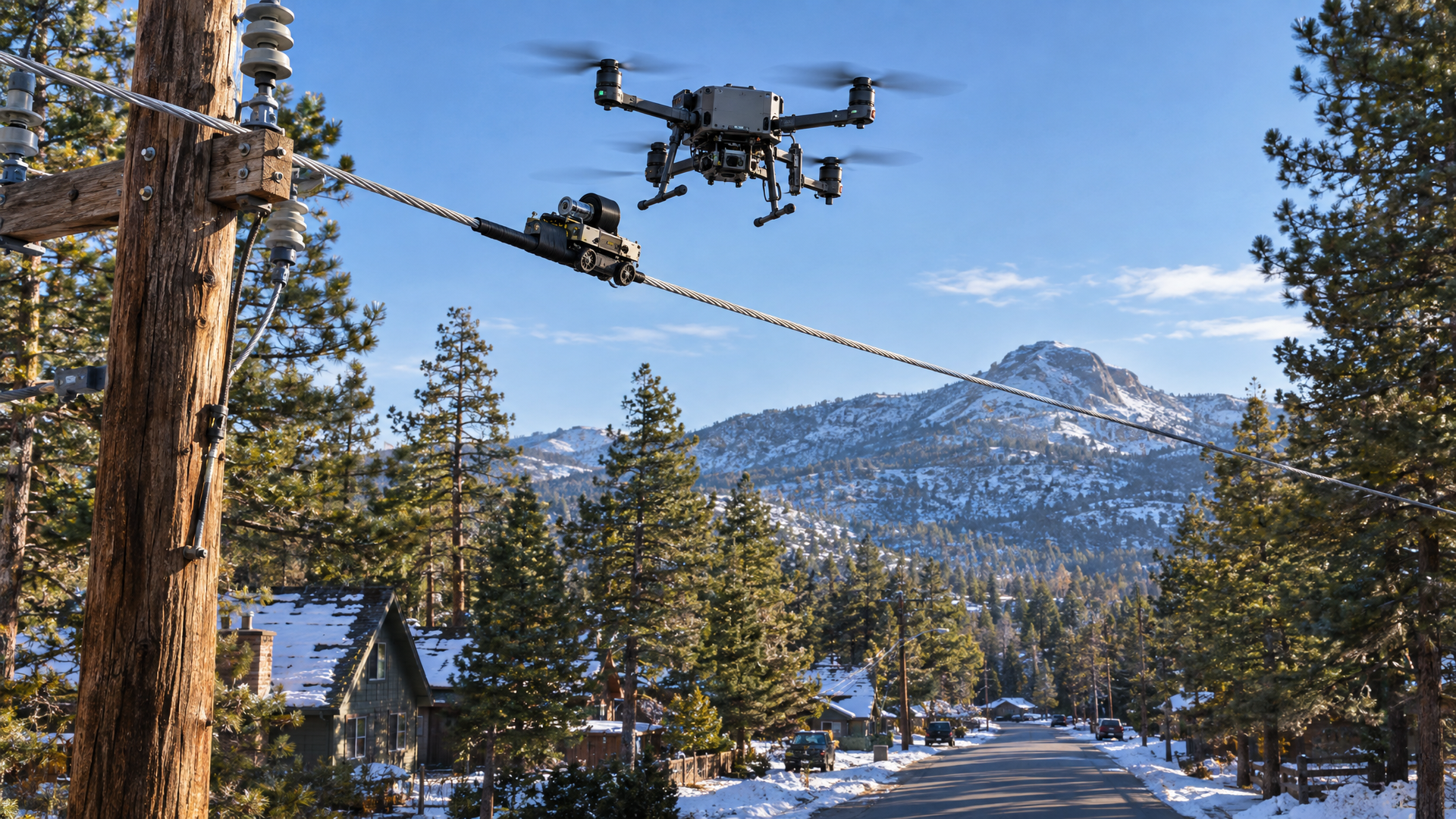
BVES is using robots to insulate bare power lines in Sugarloaf, at less than half the usual cost. What it means for Big Bear outages, bills, and your home.
Power back on after a Big Bear outage or PSPS? Unplug first, restore loads one at a time, and know the 4-hour food rule. (909) 415-5573
BVES wants revenue increases totaling 31.89% through 2030. CPUC forums are Oct 13 and 27. What it means for your bill. (909) 415-5573
What Big Bear electricians charge, how to verify a C-10 license, and what drives mountain electrical costs up. Free estimates: (909) 415-5573.
Home elevators need two separate dedicated circuits under NEC 620 and ASME A17.1. Why multi-level Big Bear cabins need this more than most. (909) 415-5573.
Every sauna heater needs a dedicated 240V circuit sized by wattage. What breaker and wire size your heater actually needs. (909) 415-5573.
Snowmelt, ice dams, and road salt all trip a GFCI for a reason. Why outdoor outlets act up in a Big Bear winter, and when it's just the device. (909) 415-5573.
Old doorbell transformers built for simple chimes can't power a modern video doorbell. What voltage and VA rating actually work. (909) 415-5573.