10 Critical Electrical Safety Tips Every Homeowner Should Know in 2025
October 24, 2025
10 Critical Electrical Safety Tips Every Homeowner Should Know in 2025
Every year, electrical fires cause over 51,000 home fires in the United States, resulting in more than $1.3 billion in property damage and tragic loss of life. As licensed electricians serving the local community, we at Big Bear Electric Pros
have seen firsthand how simple preventative measures can protect families and homes from devastating electrical hazards.
Whether you're a new homeowner or have lived in your home for decades, understanding electrical safety is crucial. In this comprehensive guide, we'll share the top 10 electrical safety tips
that can help protect your home and loved ones.
1. Never Overload Electrical Outlets
One of the most common causes of electrical fires is overloaded outlets. When you plug too many devices into a single outlet or power strip, it can cause the outlet to overheat and potentially start a fire.
What you should do:
Only plug one heat-producing appliance (coffee maker, toaster, space heater) into an outlet at a time
Avoid using multiple extension cords or power strips daisy-chained together
If outlets feel warm to the touch, unplug devices immediately and call a licensed electrician
Consider having additional outlets installed if you frequently use extension cords
Warning signs of overloaded circuits:
Frequently tripping circuit breakers
Flickering or dimming lights
Discolored outlet covers or switch plates
Buzzing sounds from outlets or switches
Burning smell near electrical devices
2. Install GFCI Outlets in Wet Areas
Ground Fault Circuit Interrupter (GFCI) outlets are essential safety devices that protect against electrical shock by shutting off power when they detect an imbalance in electrical current. These life-saving devices are especially important in areas where water and electricity can come into contact.
Where GFCIs are required:
Bathrooms and powder rooms
Kitchen countertops
Laundry rooms
Garages and basements
Outdoor outlets and patios
Near swimming pools and hot tubs
GFCIs can detect ground faults in milliseconds and shut off power before serious injury occurs. If your home doesn't have GFCI protection in these areas, contact Big Bear Electric Pros at (909) 415-5573 to schedule an installation.
3. Replace Damaged or Frayed Electrical Cords
Damaged power cords are a serious fire and electrocution hazard. According to the National Fire Protection Association, electrical cords and temporary wiring account for over 25% of electrical system fires.
Inspection checklist for electrical cords:
Check for fraying, cracking, or exposed wires
Look for damaged or loose connections
Ensure cords aren't pinched by furniture or doors
Verify cords aren't running under rugs or carpets (which can cause overheating)
Replace any cord that shows signs of damage—never tape or splice damaged cords
Proper cord usage:
Don't run extension cords through walls or doorways
Avoid wrapping cords tightly around objects
Keep cords away from heat sources
Store unused cords properly to prevent damage
4. Schedule Regular Electrical Inspections
Professional electrical inspections can identify potential hazards before they become dangerous problems. A licensed electrician can spot issues like outdated wiring, overloaded circuits, improper installations, and code violations that homeowners often miss.
When to schedule an electrical inspection:
Every 3-5 years for homes under 40 years old
Every 1-3 years for older homes
Before purchasing a home
After major storms or flooding
When planning renovations or additions
If you notice any electrical problems
During an inspection, our certified electricians at Big Bear Electric Pros use thermal imaging and advanced diagnostic tools to detect hidden issues like overheating circuits and deteriorating wiring connections.
5. Upgrade Outdated Electrical Panels
If your home was built more than 25 years ago, your electrical panel may not meet the demands of modern appliances and electronics. Outdated panels with insufficient amperage can cause frequent breaker trips, power fluctuations, and fire risks.
Signs you need an electrical panel upgrade:
Your panel uses fuses instead of circuit breakers
You have a Federal Pacific Electric or Zinsco panel (known fire hazards)
Breakers trip frequently
Lights dim when large appliances turn on
Your home has aluminum wiring
You're adding major appliances or an EV charger
Modern electrical panels provide better protection with arc fault circuit interrupters (AFCIs) and improved safety features that prevent electrical fires and equipment damage.
6. Use the Correct Wattage for Light Fixtures
Using light bulbs with wattage higher than what a fixture is rated for can cause overheating, damage to the fixture, and potential fire hazards.
Lighting safety guidelines:
Always check the maximum wattage label on light fixtures
If unlabeled, use a 25-watt bulb or lower
Consider switching to LED bulbs, which produce less heat and use less energy
Unplug lamps before changing bulbs to prevent electrical shock
Have a professional electrician install or repair any ceiling fixtures
7. Keep Electrical Devices Away from Water
Water and electricity are a deadly combination. Electrical shock can occur instantly when electrical appliances or outlets come into contact with water.
Water safety rules:
Never use electrical devices near sinks, bathtubs, or pools
Keep appliances away from the edges of countertops near water
If an electrical device falls into water, turn off power at the breaker before retrieving it
Never touch electrical switches or outlets with wet hands
Install GFCI outlets in all wet areas for automatic protection
8. Childproof Your Electrical Outlets
If you have young children or grandchildren who visit, childproofing electrical outlets is essential for preventing shock and injury.
Childproofing options:
Install tamper-resistant outlets that have built-in shutters
Use safety caps or outlet covers on unused outlets
Keep furniture away from outlets to limit access
Teach children basic electrical safety rules
Secure electrical cords out of reach
Tamper-resistant outlets are now required by electrical code in new construction and are highly recommended for homes with children.
9. Know Your Electrical Panel and Shut-Off Locations
In an electrical emergency, knowing how to quickly shut off power can prevent injuries and property damage. Every household member should know where the electrical panel is located and how to turn off power.
Electrical panel basics:
Label each circuit breaker clearly with its purpose
Keep the area around the panel clear and accessible
Test breakers periodically to ensure they function properly
Never attempt to increase the amperage of a circuit by installing a larger breaker
Post emergency contact information near the panel
Keep a flashlight near your electrical panel so you can see during power outages. Consider upgrading to smart circuit breakers that allow remote monitoring and control of your electrical system.
10. Hire Licensed Electricians for All Electrical Work
DIY electrical work is one of the leading causes of home electrical fires and electrocutions. Electrical work requires specialized training, knowledge of electrical codes, and proper tools to ensure safety.
Why you should never DIY electrical work:
Risk of electrocution or serious injury
Improper work can cause fires
Code violations can affect home insurance and resale value
Mistakes can damage expensive appliances and electronics
DIY work voids manufacturer warranties
When to call a professional electrician:
Installing new outlets or switches
Upgrading electrical panels
Troubleshooting electrical problems
Installing ceiling fans or light fixtures
Wiring for major appliances
Any project involving your home's electrical system
Protect Your Home with Professional Electrical Services
Electrical safety isn't just about following rules—it's about protecting what matters most: your family, your home, and your peace of mind. The licensed electricians at Big Bear Electric Pros
are committed to keeping homes safe through expert installations, repairs, and maintenance services.
With years of experience serving local homeowners, we understand the unique electrical challenges homes face. From outdated wiring to overloaded circuits, we've seen it all and know how to fix it safely and efficiently.
Our comprehensive electrical services include:
Electrical safety inspections
Electrical panel upgrades and repairs
GFCI and AFCI outlet installation
Whole-home rewiring
Lighting installation and upgrades
Surge protection systems
Emergency electrical repairs
Code compliance updates
Don't wait for an electrical problem to become an emergency. Schedule your electrical safety inspection today and ensure your home's electrical system is safe, efficient, and up to code.
Take Action Today
Your family's safety is too important to leave to chance. If you've noticed any warning signs like flickering lights, warm outlets, frequently tripping breakers, or burning smells, contact Big Bear Electric Pros
immediately at (909) 415-5573.
Our licensed, insured electricians provide transparent pricing, quality workmanship, and guaranteed satisfaction. We're available for emergency electrical services and scheduled appointments that fit your busy life.
Ready to make your home safer? Call us today
or visit www.bigbearelectricpros.com to schedule your free electrical safety consultation.
About Big Bear Electric Pros
Big Bear Electric Pros is a locally owned and operated electrical services company serving homeowners and businesses throughout the area. Our licensed, bonded, and insured electricians provide expert electrical installations, repairs, maintenance, and emergency services with a commitment to safety, quality, and customer satisfaction. With transparent pricing and guaranteed workmanship, we're your trusted partner for all electrical needs.
Contact us today: (909) 415-5573 | www.bigbearelectricpros.com
This blog post is for informational purposes only. Always consult with a licensed electrician for specific electrical issues in your home.

Big Bear Planned Power Outage Oct. 16–17: BVES's Timeline, Rolling Blackouts, and What to Do Tonight
SCE will de-energize Big Bear's main line at 2 a.m. Oct 17. BVES expects to power about 80% of customers and rotate the rest. Timeline and prep. (909) 415-5573
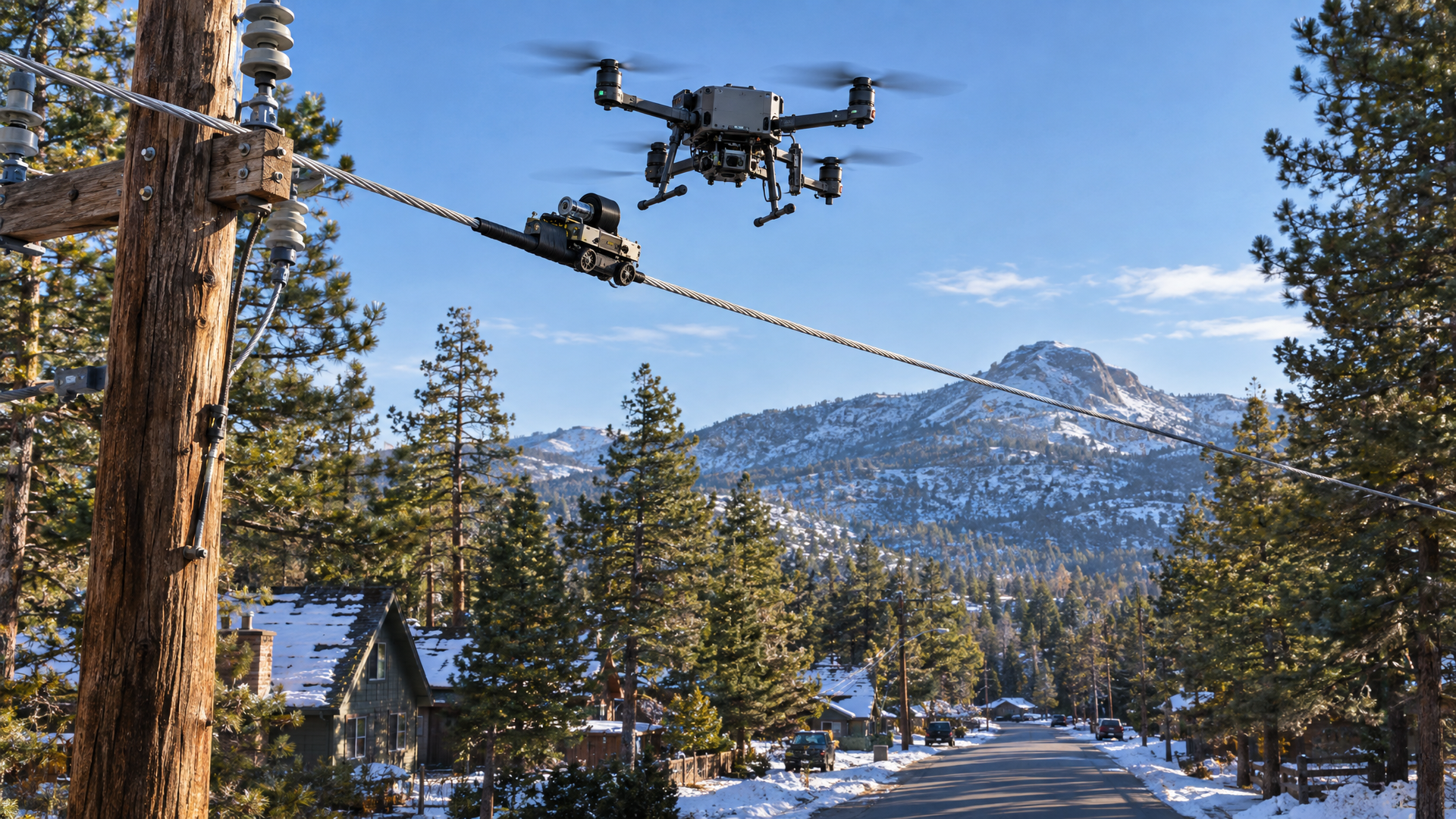
BVES is using robots to insulate bare power lines in Sugarloaf, at less than half the usual cost. What it means for Big Bear outages, bills, and your home.
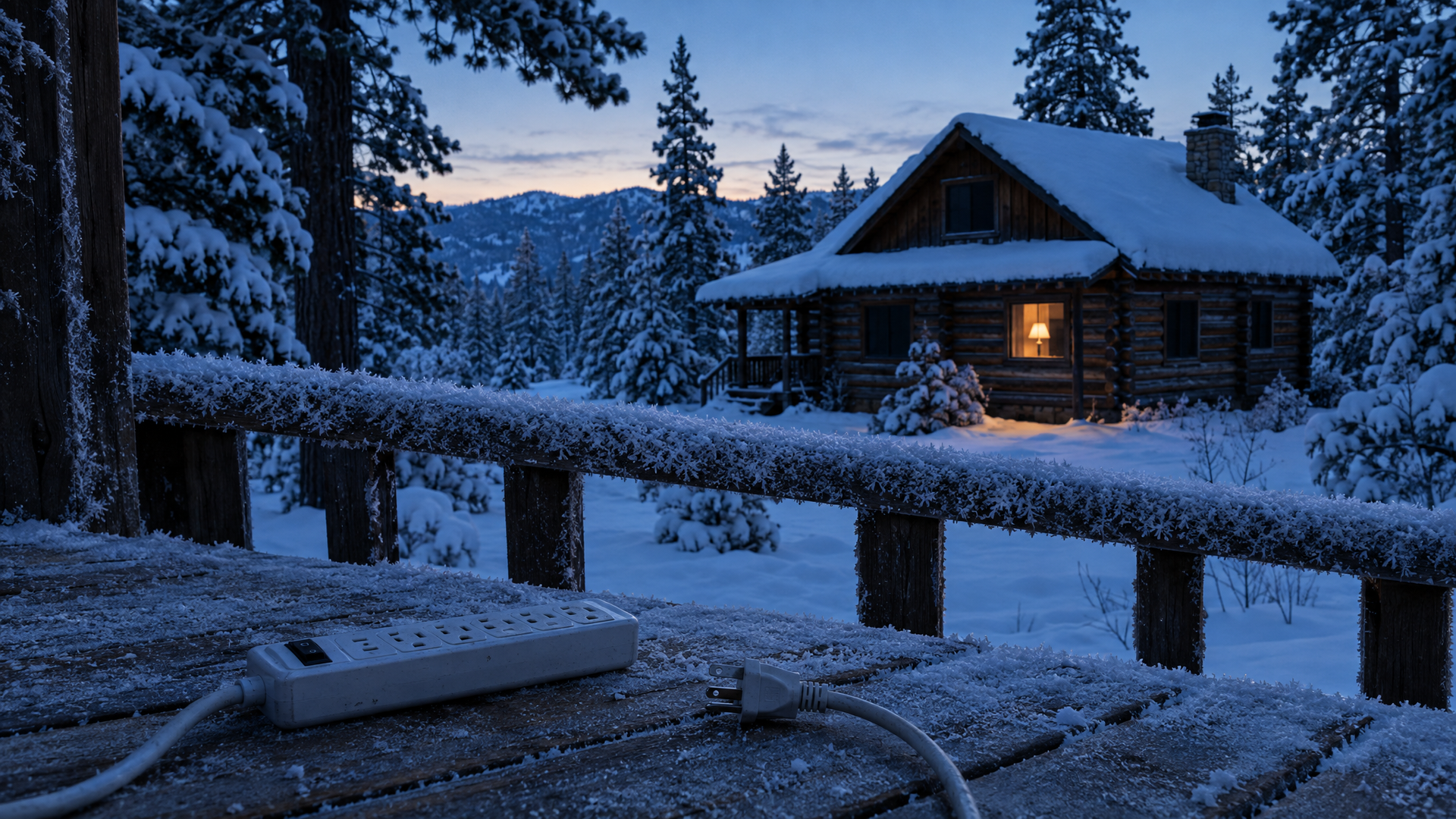
Power back on after a Big Bear outage or PSPS? Unplug first, restore loads one at a time, and know the 4-hour food rule. (909) 415-5573
BVES wants revenue increases totaling 31.89% through 2030. CPUC forums are Oct 13 and 27. What it means for your bill. (909) 415-5573
What Big Bear electricians charge, how to verify a C-10 license, and what drives mountain electrical costs up. Free estimates: (909) 415-5573.

Home elevators need two separate dedicated circuits under NEC 620 and ASME A17.1. Why multi-level Big Bear cabins need this more than most. (909) 415-5573.
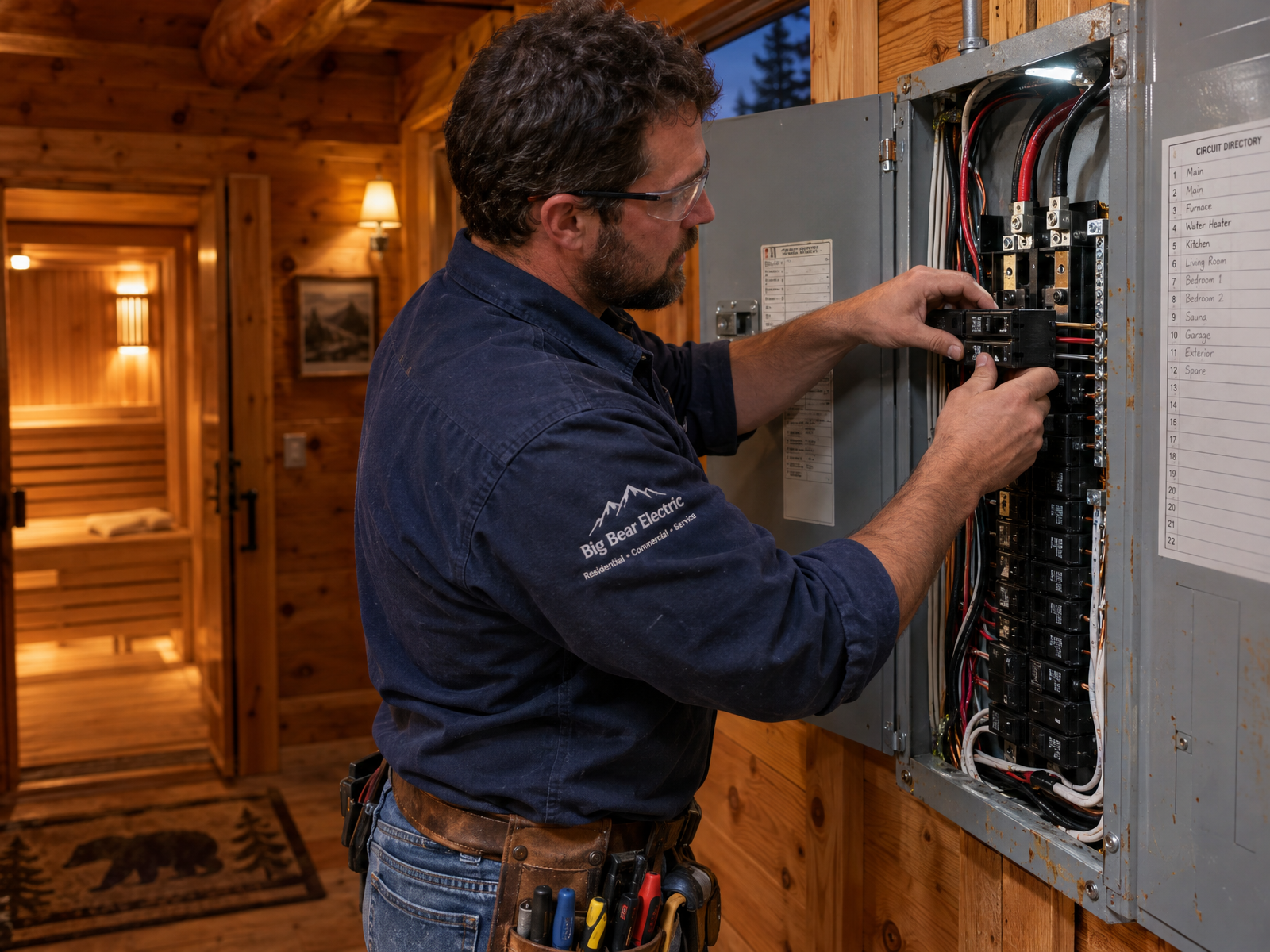
Every sauna heater needs a dedicated 240V circuit sized by wattage. What breaker and wire size your heater actually needs. (909) 415-5573.
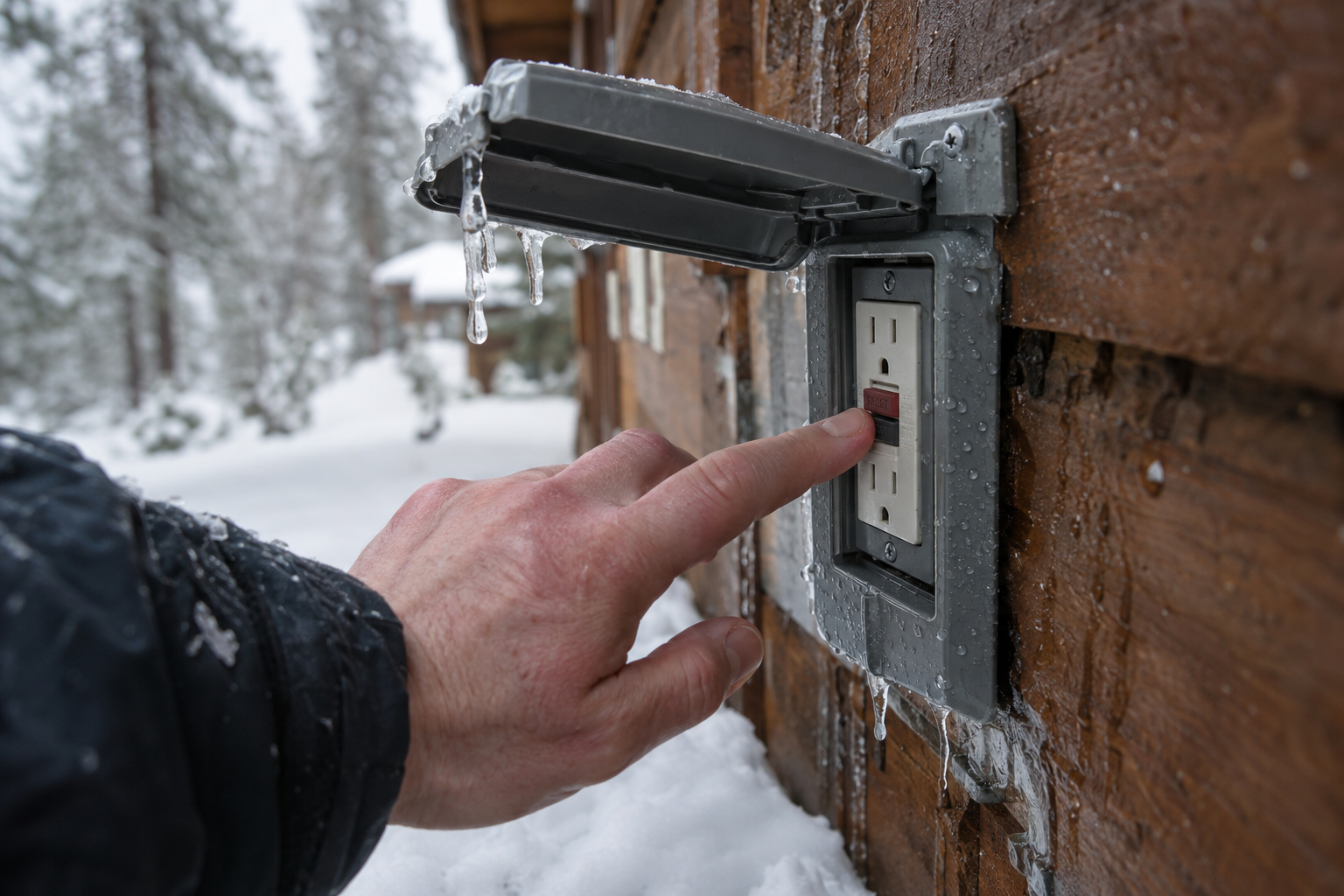
Snowmelt, ice dams, and road salt all trip a GFCI for a reason. Why outdoor outlets act up in a Big Bear winter, and when it's just the device. (909) 415-5573.
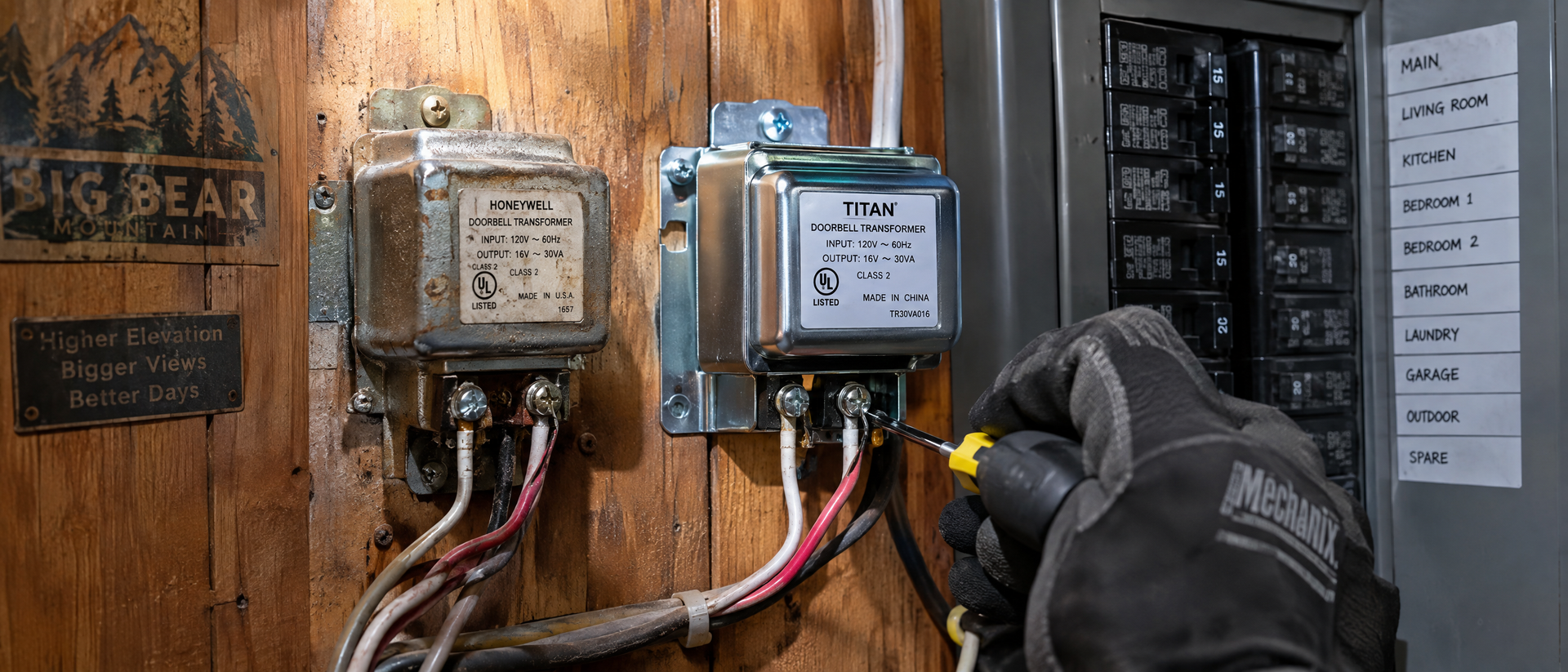
Old doorbell transformers built for simple chimes can't power a modern video doorbell. What voltage and VA rating actually work. (909) 415-5573.
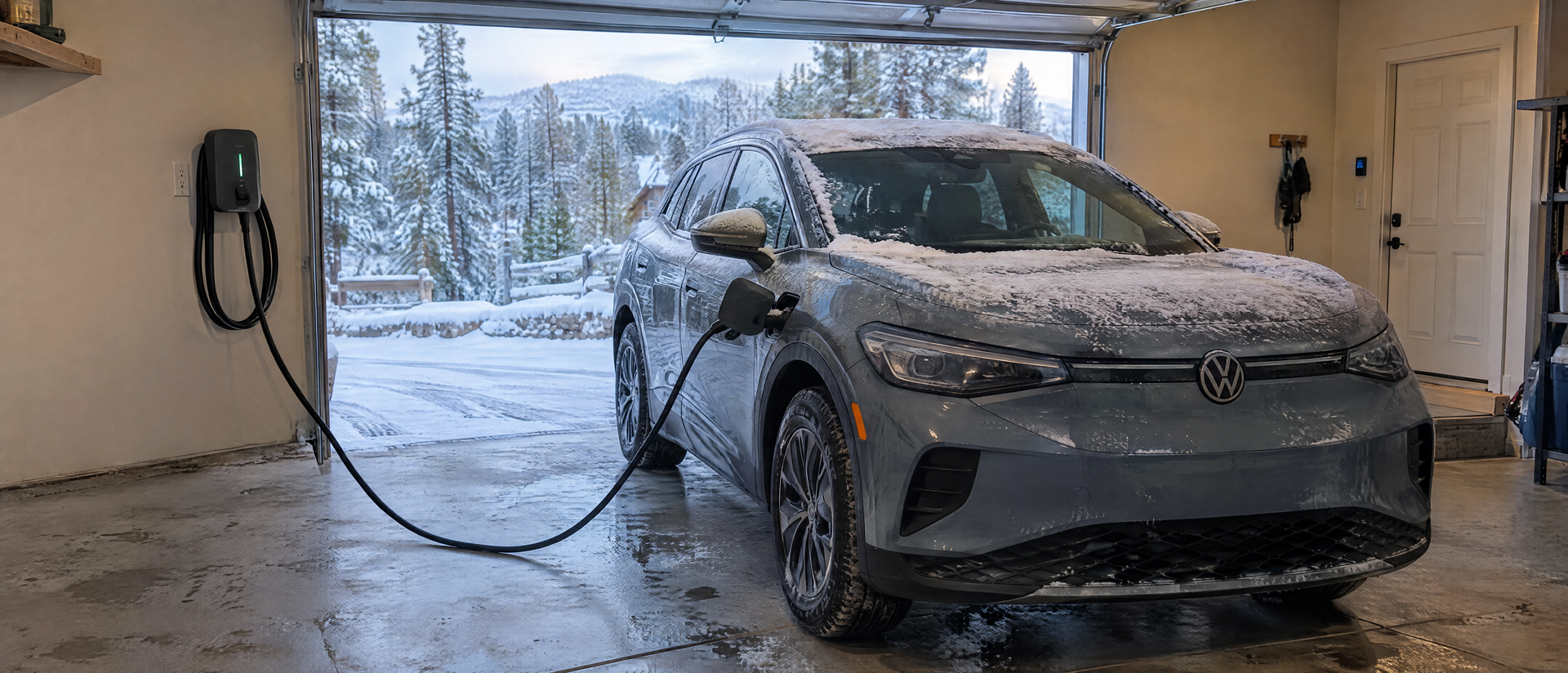
Cold can cut EV range by over 40% and slow charging speed significantly. Why Big Bear's winter climate makes a proper home charger matter more.