
Big Bear Smoke Detector Requirements: Wildfire Season Makes Code Compliance Critical
November 12, 2025
Big Bear Smoke Detector Requirements: Wildfire Season Makes Code Compliance Critical
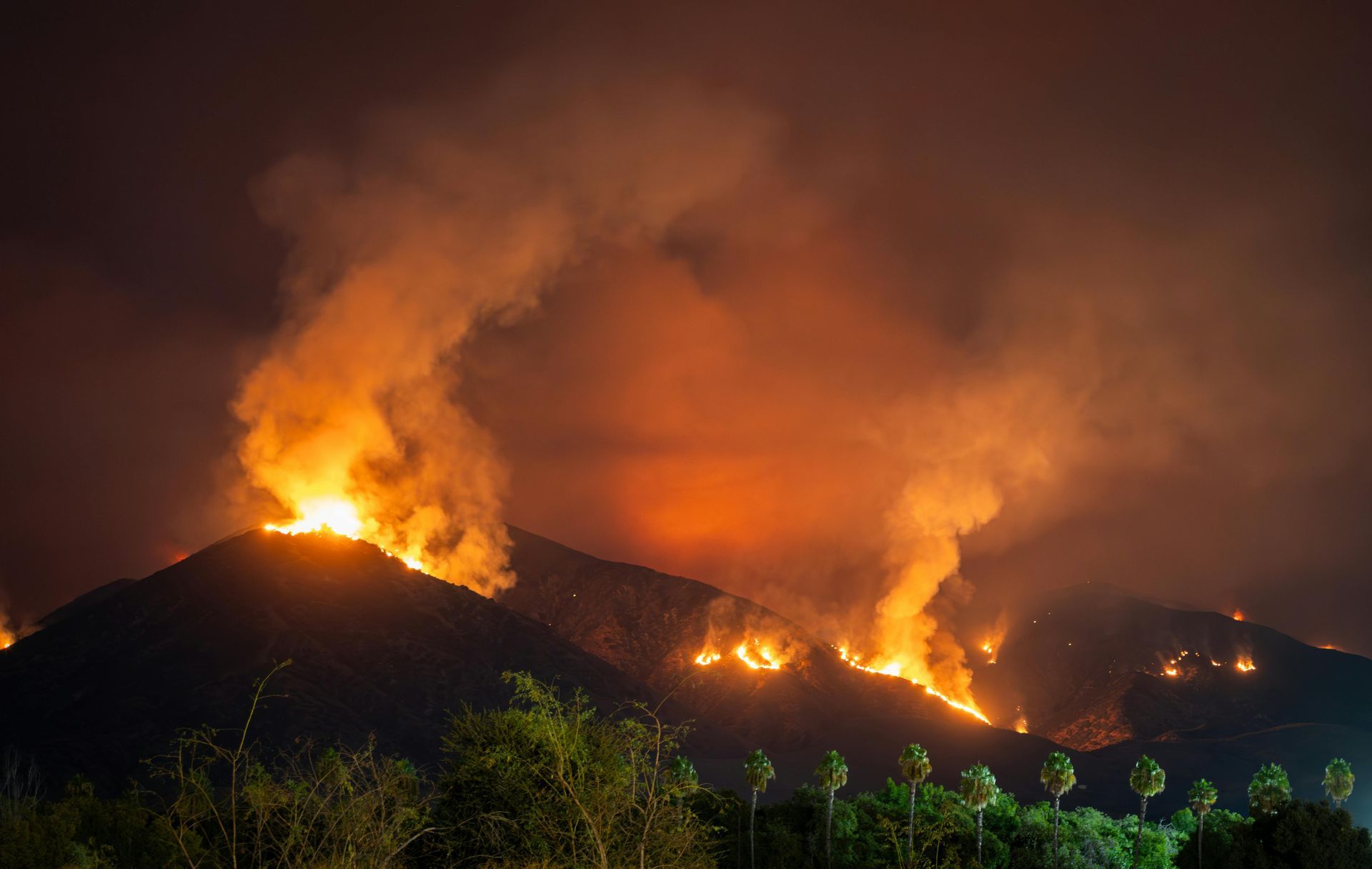
Living in Big Bear means breathtaking mountain views, world-class outdoor recreation, and a tight-knit community that feels like home. But it also means living in one of California's high-risk wildfire zones. The Bridge Fire, Line Fire, and countless others have reminded us that early detection can mean the difference between a close call and a catastrophe.
If you're buying, selling, or renovating a home in Big Bear Lake, Big Bear City, Fawnskin, or Sugarloaf, there's one critical safety requirement that absolutely cannot be overlooked: smoke detector compliance. California has some of the strictest smoke alarm laws in the nation, and Big Bear homes—especially those built before 2014—almost certainly need updates to meet current code.
This guide breaks down exactly what Big Bear homeowners need to know about smoke detector regulations, why they're especially important in wildfire country, and how to bring your property into compliance.
Why Smoke Detector Laws Are Non-Negotiable in Big Bear
Big Bear isn't just any mountain community. We're surrounded by San Bernardino National Forest, and our homes sit in what Cal Fire classifies as a Very High Fire Hazard Severity Zone. The wildfires that have threatened our community in recent years aren't theoretical risks—they're real, recurring dangers.
Here's what makes Big Bear unique:
Extreme Wildfire Risk: Our mountain is surrounded by dense forest, and fire season grows longer each year
Older Cabin Construction: Many Big Bear homes were built in the 1960s-1980s with outdated electrical and safety systems
Slower Emergency Response: Fire departments serving mountain areas cover vast territories with limited resources during major incidents
Real Estate Requirements: Smoke detector compliance is mandatory for home sales and checked during escrow
Vacation Rental Regulations: Short-term rentals face strict inspection requirements including verified smoke detection
When wildfires threaten Big Bear—and they will again—working smoke alarms provide the precious minutes families need to evacuate safely. This isn't just about meeting code. It's about survival.
Current California Smoke Detector Code Requirements (2024-2025)
California law mandates specific types and placements of smoke alarms, and the rules have evolved significantly. Here's what current code requires:
For Homes Built After January 1, 2014:
Hardwired smoke alarms with battery backup in every bedroom
Hardwired smoke alarms in hallways outside sleeping areas
Hardwired smoke alarms on every level of the home, including basements
All smoke alarms must be interconnected (when one sounds, they all sound)
Alarms must be photoelectric or dual-sensor (ionization/photoelectric combination)
For Homes Built Before January 1, 2014:
You have more flexibility, but you still need:
Working smoke alarms in every bedroom
Working smoke alarms in hallways outside sleeping areas
Working smoke alarms on every level
Alarms can be battery-powered or hardwired
If any hardwired alarms exist, they must have battery backup
Alarms must be replaced if they're more than 10 years old
Special Requirements for Real Estate Transactions:
When selling a Big Bear home, you must provide written documentation that:
All required smoke alarms are present and operational
Alarms meet current manufacturing standards (check the manufacturing date stamped on the back)
Water heater strapping and carbon monoxide detectors are also compliant
Many real estate agents require a licensed electrician to provide this documentation to satisfy buyers, lenders, and title companies.
Common Smoke Detector Problems in Big Bear Homes
After working on countless Big Bear properties, we see the same compliance issues repeatedly:
1. Missing Bedroom Smoke Detectors
Older cabins often only have one or two smoke alarms, usually in hallways or living areas. California code is clear: every bedroom must have its own detector—no exceptions.
2. Expired Smoke Alarms
Smoke detectors have a 10-year lifespan from the manufacturing date. The date is printed on the back of the unit. If it's older than 10 years, it needs replacement—even if it "still works." Sensor degradation is invisible but real.
3. Battery-Only Systems in Hardwired Homes
If your Big Bear cabin was built with hardwired smoke alarms, you can't simply replace them with battery units. Once a home has hardwired alarms, code requires maintaining that system.
4. Non-Interconnected Alarms
Newer code requires interconnected alarms so that when one detects smoke anywhere in your home, all alarms throughout the house sound simultaneously. This is especially critical in multi-level Big Bear cabins where someone sleeping upstairs might not hear an alarm in the basement or garage.
5. Wrong Sensor Type
Ionization-only smoke alarms (older technology) aren't recommended anymore. Photoelectric or dual-sensor alarms detect smoldering fires faster—the most common type of residential fire and the kind most likely from wildfire embers igniting attic spaces or decks.
6. Improper Placement
Smoke alarms should be installed:
On the ceiling or high on a wall (within 12 inches of the ceiling)
At least 10 feet from cooking appliances
At least 3 feet from HVAC vents and ceiling fans
In the center of rooms when possible
Placement matters because smoke rises and spreads along ceilings. Poor placement can delay detection by precious seconds—seconds that matter during wildfire evacuations.
Wildfire-Specific Considerations for Big Bear Homeowners
Beyond basic code compliance, Big Bear residents should think about smoke detection as part of their wildfire preparedness plan:
Early Warning = Evacuation Time
When the Bridge Fire threatened Big Bear in September 2024, residents had limited time to evacuate. Working smoke alarms provide critical early warning if embers ignite your roof, attic, or deck while you're sleeping or unaware.
Power Outages During Fire Season
Wildfires often knock out power before they reach homes. Hardwired smoke alarms with battery backup continue working during outages. Battery-only alarms rely on you remembering to change batteries—a task that often gets forgotten.
Interconnected Systems in Evacuation Scenarios
Interconnected alarms ensure you hear the alert regardless of where fire starts. If embers ignite your deck while you're in an upstairs bedroom, you'll know immediately instead of discovering the fire too late.
Combination Smoke/CO Detectors
Big Bear homes often use propane, wood stoves, and backup generators—all potential carbon monoxide sources. Combination smoke/CO detectors provide dual protection during emergencies when you're most likely to be using alternative heating or power sources.
Do You Need Hardwired or Battery-Powered Smoke Detectors?
This is the most common question Big Bear homeowners ask. The answer depends on when your home was built and what's currently installed:
Choose Hardwired Smoke Alarms If:
Your home was built after 2014
Your home currently has hardwired alarms
You're doing electrical work that requires permits
You want the most reliable, low-maintenance option
You're serious about wildfire preparedness
Battery-Powered Alarms May Work If:
Your home was built before 2014
You currently have all battery-powered alarms
You're not doing other electrical work
You use 10-year sealed lithium battery models
Our Recommendation: Even if battery alarms are technically allowed in your Big Bear cabin, hardwired interconnected systems offer superior safety. When one alarm detects smoke anywhere in your home, every alarm sounds simultaneously. In a two-story cabin during a fast-moving wildfire scenario, this can provide critical extra seconds for escape.
Carbon Monoxide Detector Requirements (Essential in Big Bear)
California requires carbon monoxide (CO) detectors in homes with:
Fuel-burning appliances (propane furnaces, water heaters, stoves)
Attached garages
Fireplaces or wood stoves
Generators
Nearly every Big Bear home has multiple CO sources. Requirements include:
One detector within 15 feet of each sleeping area
Detectors can be hardwired, plug-in, or battery-powered
Combined smoke/CO detectors satisfy both requirements
Carbon monoxide is colorless, odorless, and deadly. In Big Bear homes with propane heating, wood stoves, and portable generators (common during power outages), CO detectors are absolutely essential.
How Much Does Smoke Detector Installation Cost in Big Bear?
Costs vary based on your home's size and current setup, but here are general ranges for Big Bear properties:
Battery-Powered Replacement:
DIY materials: $20-40 per detector
Professional installation: $75-150 per detector (includes labor and travel to Big Bear)
Hardwired Installation:
Single detector add: $150-300 (includes running new wiring)
Full home upgrade (4-6 detectors): $800-1,500
Large cabins (8+ detectors): $1,500-3,000
Interconnected Wireless System:
Equipment: $50-80 per detector
Installation: $100-200 per detector
Real Estate Compliance Package:
Inspection, documentation, and minor upgrades: $300-600
Pro tip: If you're already doing electrical work—like a panel upgrade, generator installation, or circuit additions—adding smoke detector updates is far more cost-effective since the electrician is already on site and you're already pulling permits.
DIY vs. Hiring a Big Bear Electrician
Battery-powered smoke detector replacement is straightforward DIY work if you're comfortable on a ladder and following manufacturer instructions.
However, you should hire a licensed electrician if:
You need hardwired smoke detectors installed
Your home sale requires written compliance certification
You're unsure about proper placement or code requirements
You're updating multiple detectors throughout the cabin
Your home has an interconnected system that needs expansion
You want to add CO detectors or combination smoke/CO alarms
You're combining smoke detector work with other electrical upgrades
Licensed electricians understand California electrical code, San Bernardino County requirements, and proper installation techniques. They can also identify other electrical issues during the inspection that might affect your home sale, insurance coverage, or vacation rental certification.
Real Estate Transactions: What Big Bear Buyers and Sellers Need to Know
If you're buying or selling Big Bear property, smoke detector compliance will absolutely come up during the transaction. Here's what to expect:
For Sellers:
Complete the "Smoke Detector Statement of Compliance" form
Verify all detectors are present, working, and meet code
Replace any expired alarms (check manufacturing dates on the back of each unit)
Consider a pre-listing electrical safety inspection to avoid last-minute surprises
Provide documentation to satisfy buyer contingencies
Budget extra time if major upgrades are needed
For Buyers:
Home inspectors will check smoke detector compliance
Request the seller's compliance statement and verification
Consider asking for an electrician's certification if the cabin is older
Budget for potential upgrades if detectors are missing or expired
Verify both smoke and carbon monoxide detector compliance
Use this as a negotiation point if major work is needed
Many Big Bear real estate transactions stall or fall through because smoke detectors aren't addressed proactively. Smart sellers handle this before listing to avoid delays during escrow—especially important in Big Bear's competitive market where buyers have options.
Smoke Detector Maintenance Tips for Mountain Homeowners
Installing code-compliant smoke detectors is step one. Maintaining them properly is equally important:
Monthly:
Press the test button on each detector
Listen for the alarm sound throughout your cabin
Replace any non-functioning units immediately
Every 6 Months:
Replace batteries in battery-powered units (or use 10-year sealed battery models)
Vacuum dust, pine needles, and cobwebs from detector vents
Test interconnected systems to ensure all alarms sound together
Annually:
Test backup batteries in hardwired units
Check manufacturing dates and plan for 10-year replacements
Inspect mounting brackets for stability (important after heavy snow load on roof)
Add smoke detector testing to your spring/fall home maintenance checklist
Every 10 Years:
Replace all smoke detectors, regardless of whether they still work
Sensor degradation occurs over time, reducing effectiveness
Mark replacement dates on your calendar
Big Bear-Specific Tip: Our mountain environment includes heavy dust from dirt roads, pine pollen in spring, and wood smoke from fireplaces. These particles accumulate in smoke detectors faster than in urban homes. Regular cleaning prevents false alarms and maintains proper sensitivity.
What Happens During a Smoke Detector Compliance Inspection?
If you hire a Big Bear electrician for a compliance inspection, here's what they'll check:
Location Verification: Confirm detectors in every bedroom, hallway, and level
Manufacturing Date Check: Ensure no alarms exceed 10 years old
Functionality Testing: Test each alarm and verify audible alerts (at least 85 decibels)
Interconnection Testing: Verify all hardwired alarms trigger simultaneously
Proper Installation: Check mounting height, distance from vents, and secure attachment
Carbon Monoxide Detectors: Verify CO detector presence and placement
Battery Backup Testing: Confirm hardwired units have working backup batteries
Documentation: Provide written certification for real estate, rental, or insurance purposes
Comprehensive inspections typically take 30-60 minutes depending on cabin size and may identify other electrical safety concerns worth addressing.
Vacation Rental Owners: Additional Requirements
If you rent your Big Bear property on Airbnb, VRBO, or other platforms, you face additional requirements:
All smoke and CO detectors must be working and documented
Some jurisdictions require annual inspections
Vacation rental permits may require electrician certification
Liability insurance often requires proof of working smoke alarms
Guest safety is both a legal and ethical obligation
Short-term rental violations can result in fines, permit suspension, or liability in case of injury. Ensuring smoke detector compliance protects both your guests and your rental business.
Protect Your Family, Guests, and Mountain Investment
Smoke detector compliance isn't just about checking boxes for a home sale or passing an inspection. It's about protecting the people you love, the guests you host, and the Big Bear property you've worked hard to own.
Our mountain's unique environment—surrounded by dense forest, with increasingly intense fire seasons and longer emergency response times—makes working smoke alarms absolutely essential. Whether you're updating an older cabin to meet current code, preparing your home for sale, or maximizing wildfire preparedness, proper smoke detection is one of the smartest investments you can make.
The 2024 fire season reminded us once again that Big Bear sits in wildfire country. When the next fire threatens our mountain—and there will be a next fire—you want every possible advantage. Working, code-compliant smoke detectors provide early warning that saves lives.
Ready to Bring Your Big Bear Home Into Compliance?
Big Bear Electric Pros provides expert smoke detector installation, inspection, and certification services throughout the San Bernardino Mountains. We understand California code requirements, wildfire safety considerations, and can handle everything from simple battery replacements to complete hardwired interconnected system installations.
Our smoke detector services include:
Code compliance inspections and documentation
Hardwired smoke alarm installation and upgrades
Interconnected system design and installation
Carbon monoxide detector installation
Real estate transaction certifications
Vacation rental compliance inspections
Battery replacement and maintenance programs
Call us today to schedule your smoke detector compliance inspection. Serving Big Bear Lake, Big Bear City, Fawnskin, Sugarloaf, and all San Bernardino Mountain communities.
Don't wait until fire season to address this critical safety requirement. Protect your family, your guests, and your investment with professional smoke detector services from Big Bear Electric Pros.

California home sellers must now give buyers an electrical inspection notice. What SB 382 means for Big Bear cabins, capacity, and insurance. (909) 415-5573

Big Bear Planned Power Outage Oct. 16–17: BVES's Timeline, Rolling Blackouts, and What to Do Tonight
SCE will de-energize Big Bear's main line at 2 a.m. Oct 17. BVES expects to power about 80% of customers and rotate the rest. Timeline and prep. (909) 415-5573
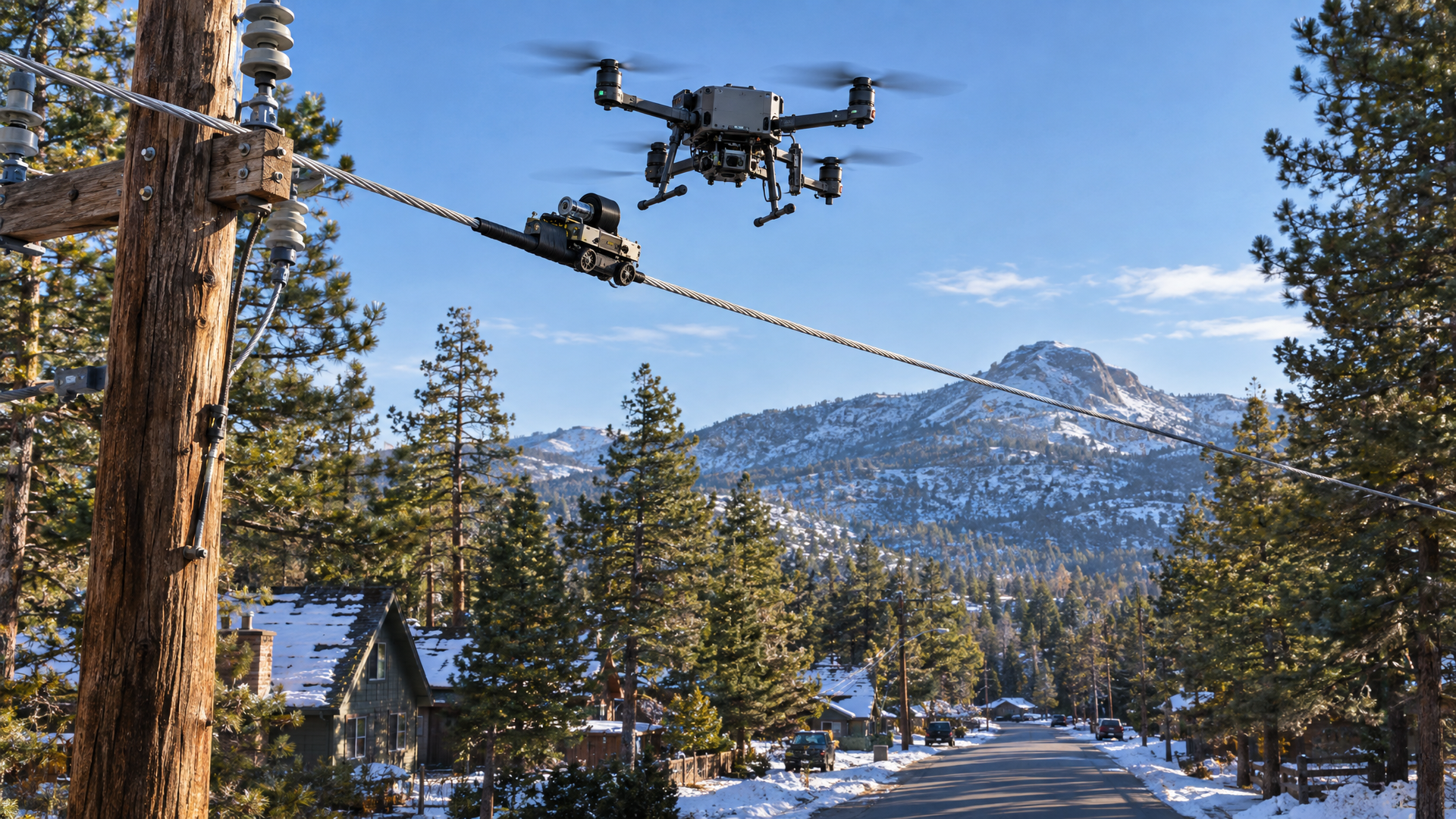
BVES is using robots to insulate bare power lines in Sugarloaf, at less than half the usual cost. What it means for Big Bear outages, bills, and your home.
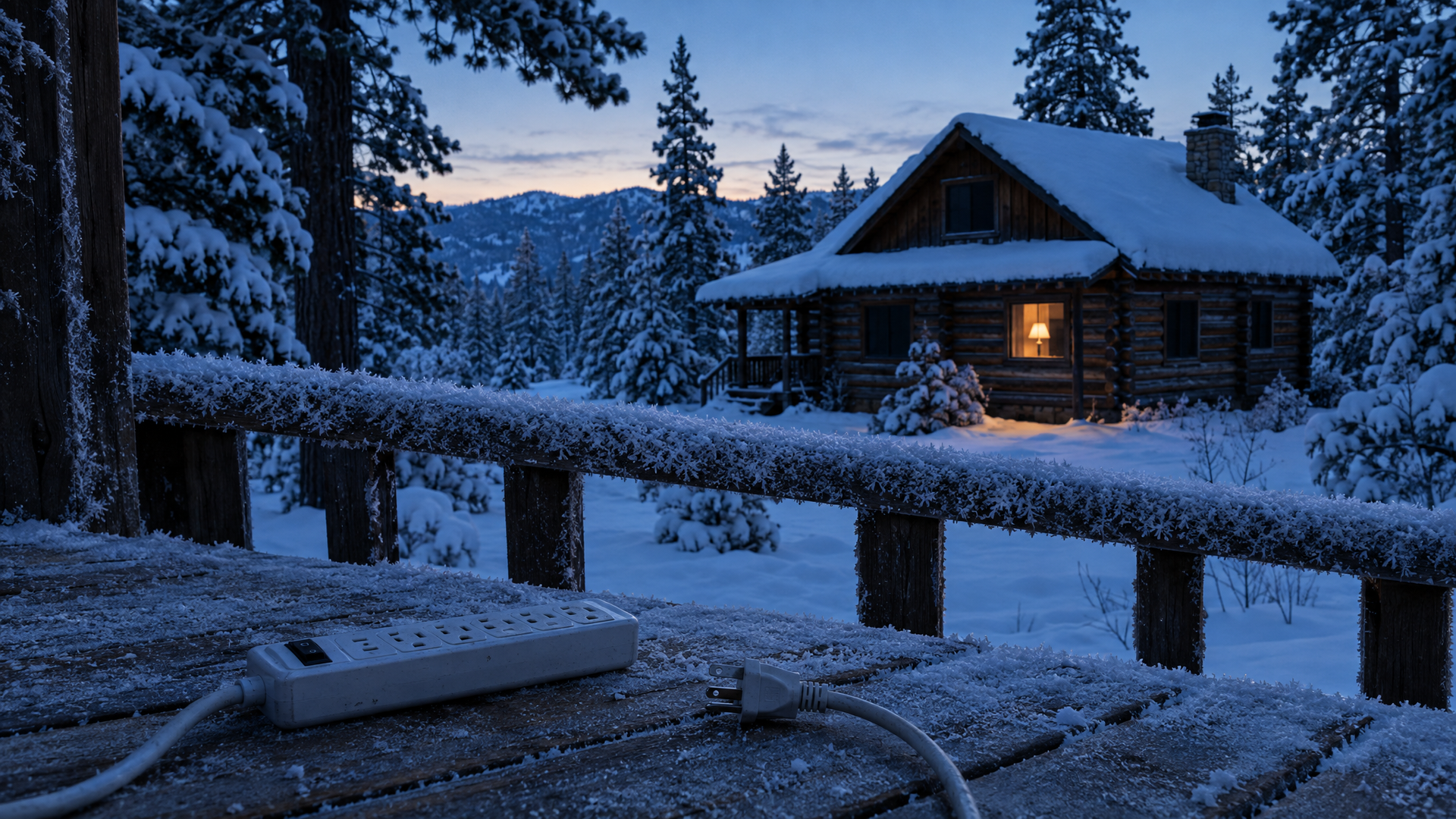
Power back on after a Big Bear outage or PSPS? Unplug first, restore loads one at a time, and know the 4-hour food rule. (909) 415-5573
BVES wants revenue increases totaling 31.89% through 2030. CPUC forums are Oct 13 and 27. What it means for your bill. (909) 415-5573
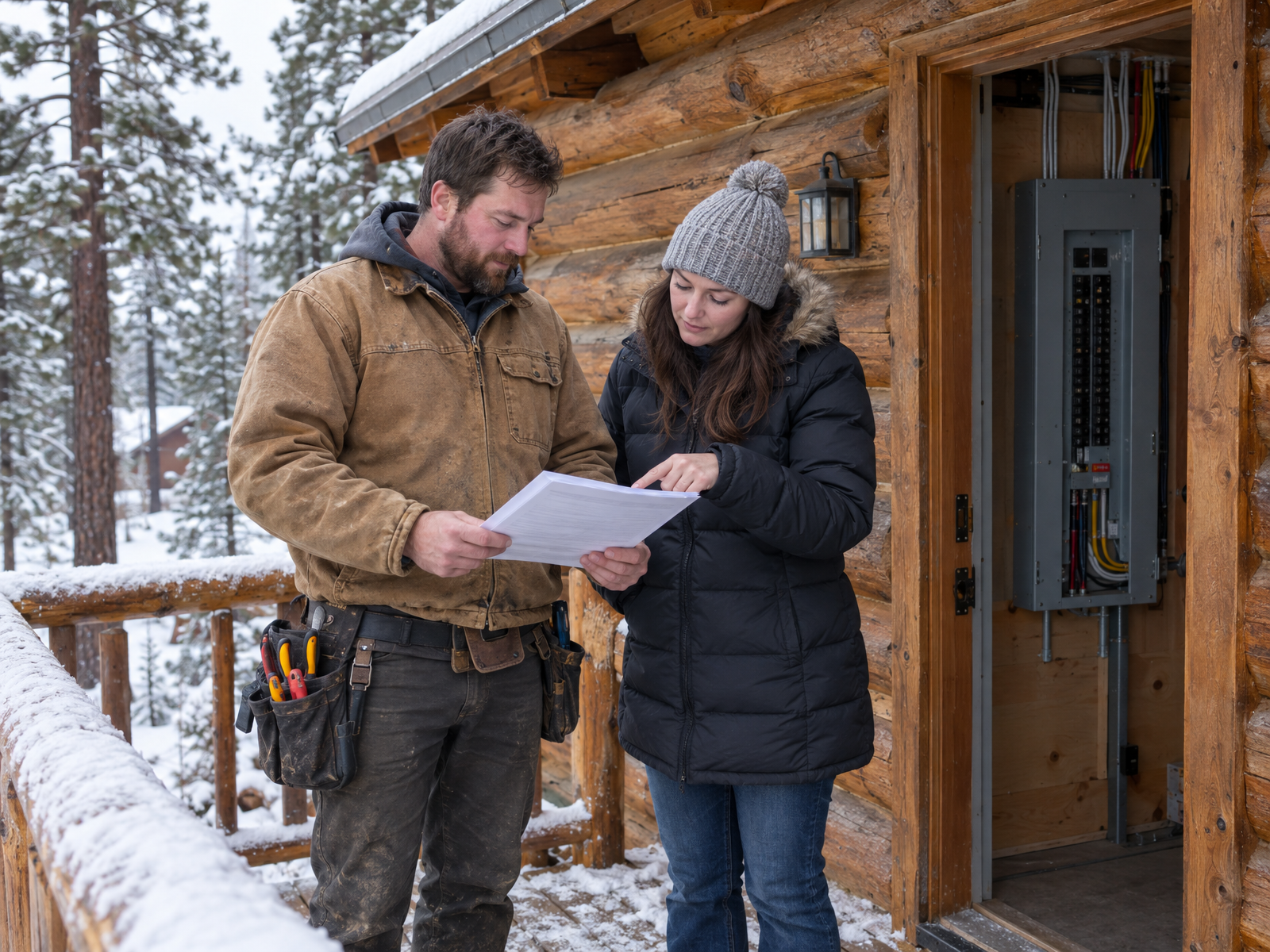
What Big Bear electricians charge, how to verify a C-10 license, and what drives mountain electrical costs up. Free estimates: (909) 415-5573.
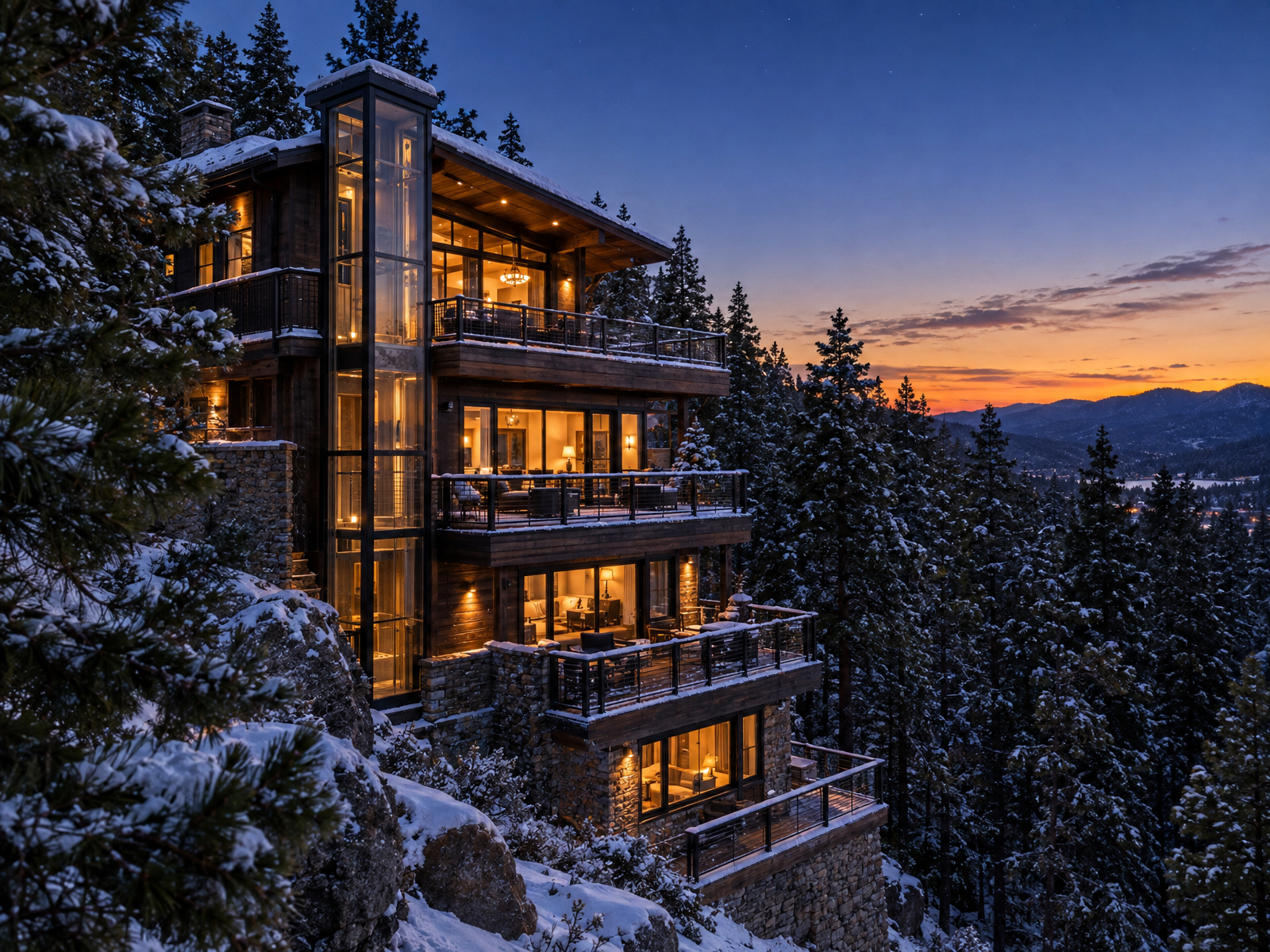
Home elevators need two separate dedicated circuits under NEC 620 and ASME A17.1. Why multi-level Big Bear cabins need this more than most. (909) 415-5573.
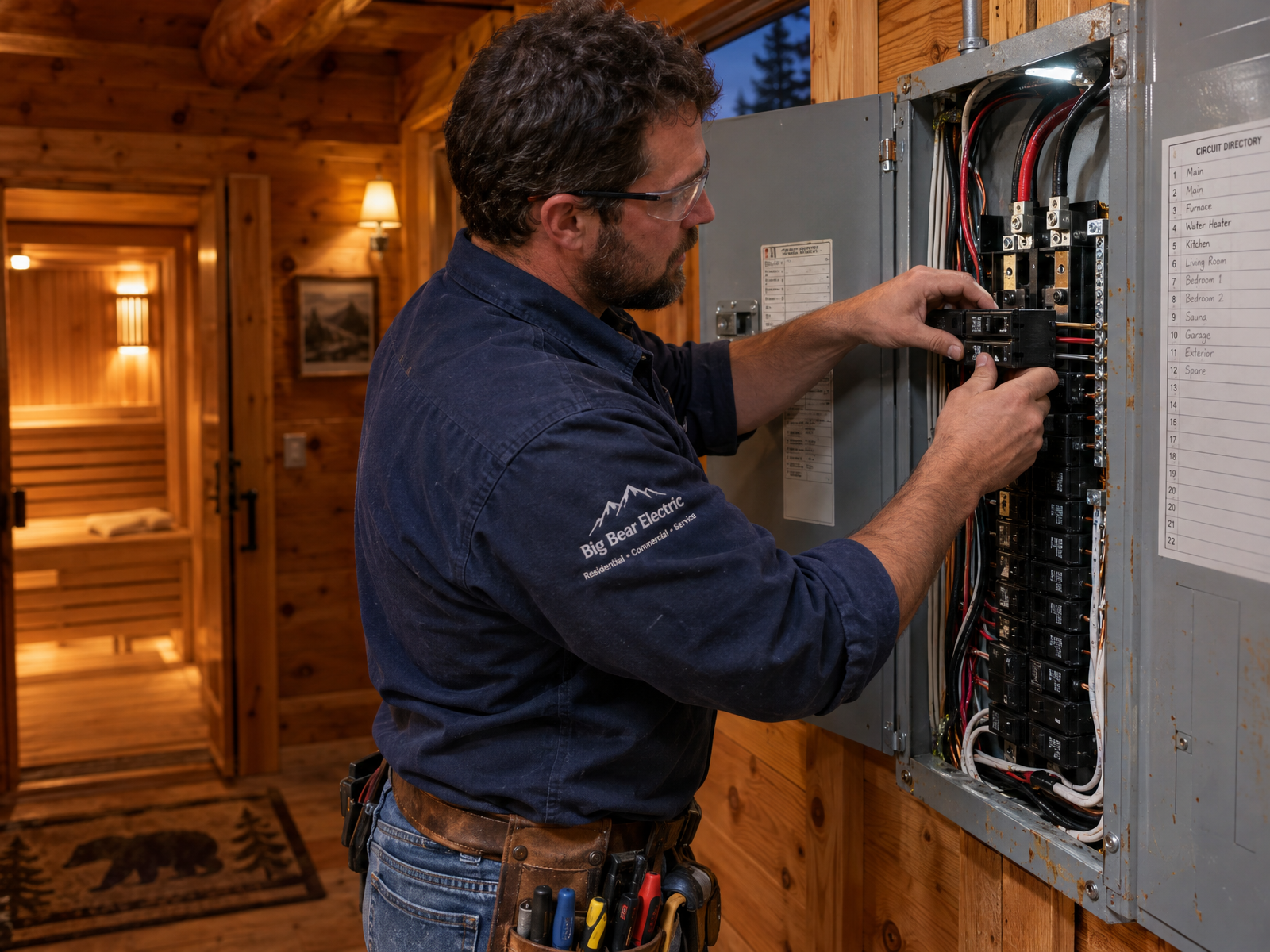
Every sauna heater needs a dedicated 240V circuit sized by wattage. What breaker and wire size your heater actually needs. (909) 415-5573.
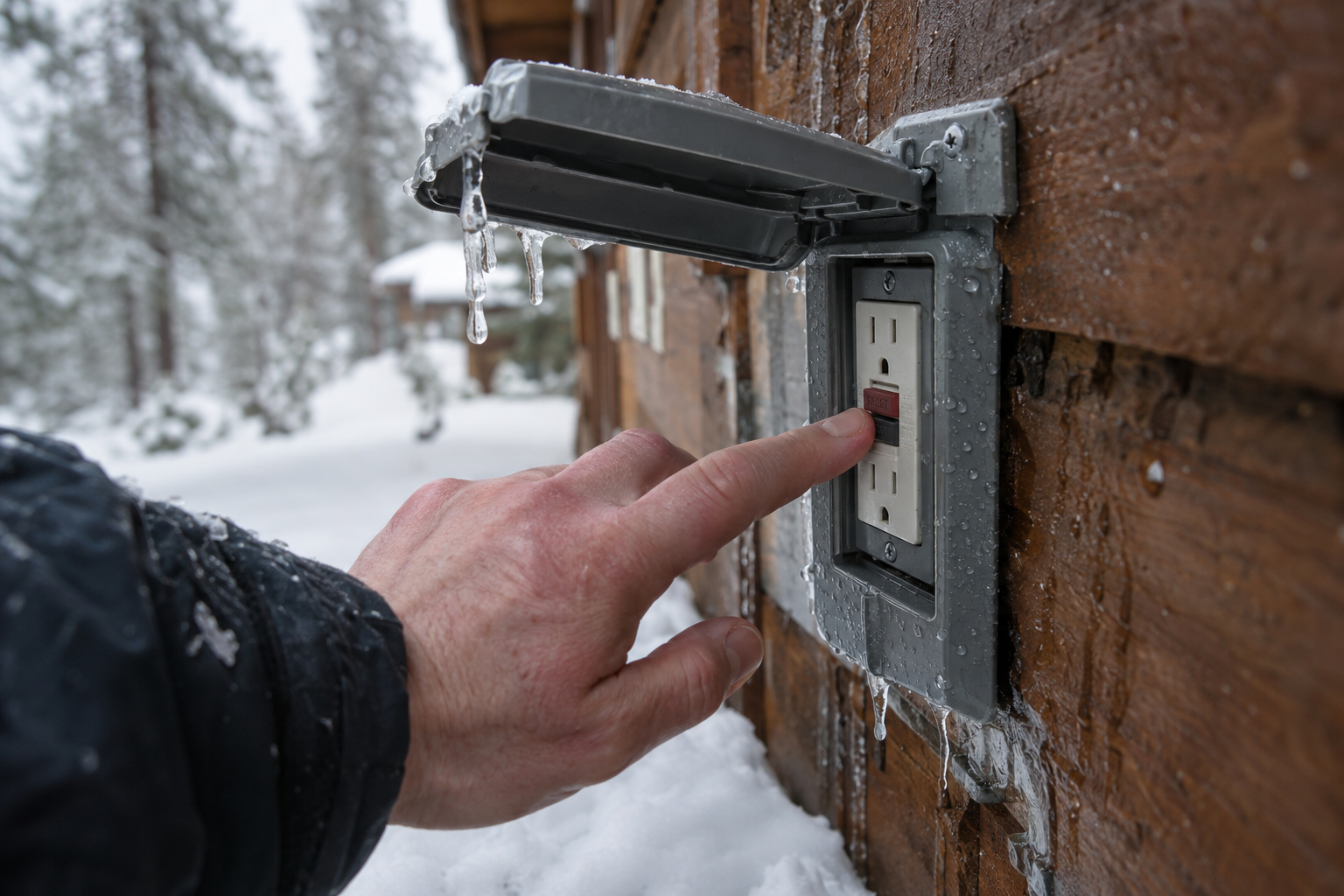
Snowmelt, ice dams, and road salt all trip a GFCI for a reason. Why outdoor outlets act up in a Big Bear winter, and when it's just the device. (909) 415-5573.
Old doorbell transformers built for simple chimes can't power a modern video doorbell. What voltage and VA rating actually work. (909) 415-5573.