7 Common Electrical Issues in Big Bear Homes and How to Fix Them

October 25, 2025

7 Common Electrical Issues in Big Bear Homes and How to Fix Them
Living in the beautiful Big Bear Valley comes with its own unique electrical challenges. From harsh winter conditions to aging mountain homes, Big Bear residents face electrical issues that require professional attention. Whether you're dealing with flickering lights or planning an upgrade, understanding these common problems can help you know when to call a licensed electrician.

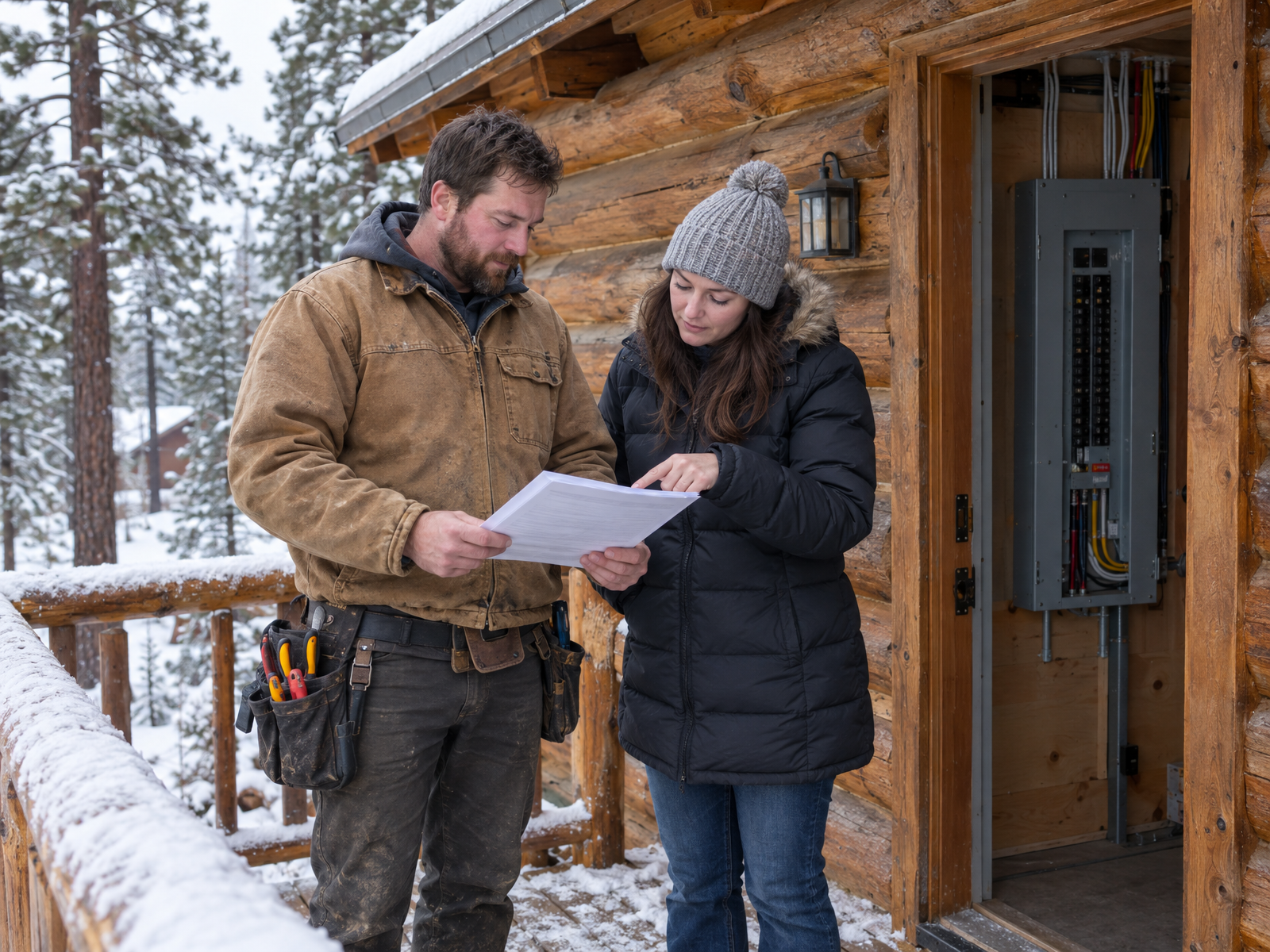
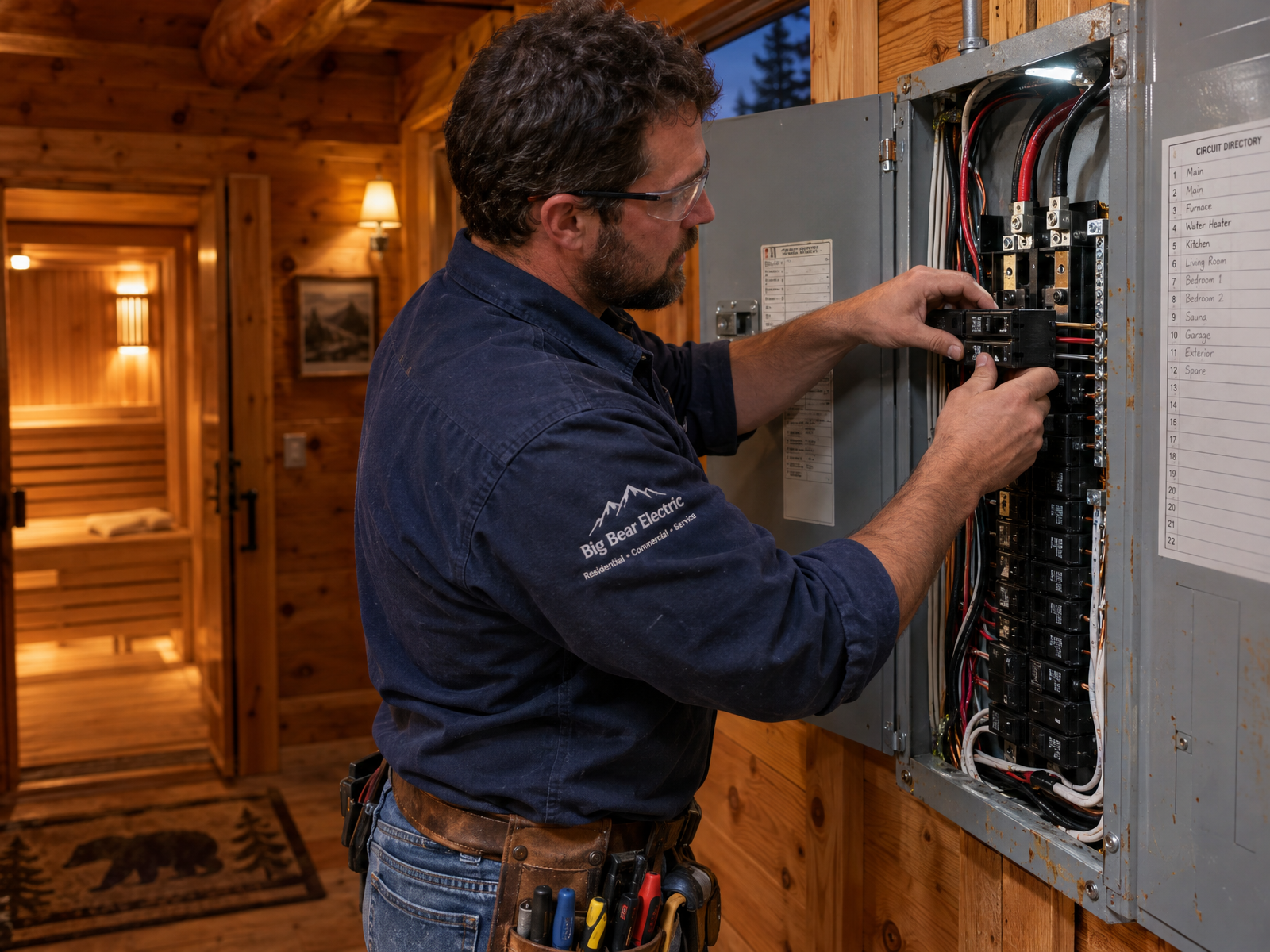
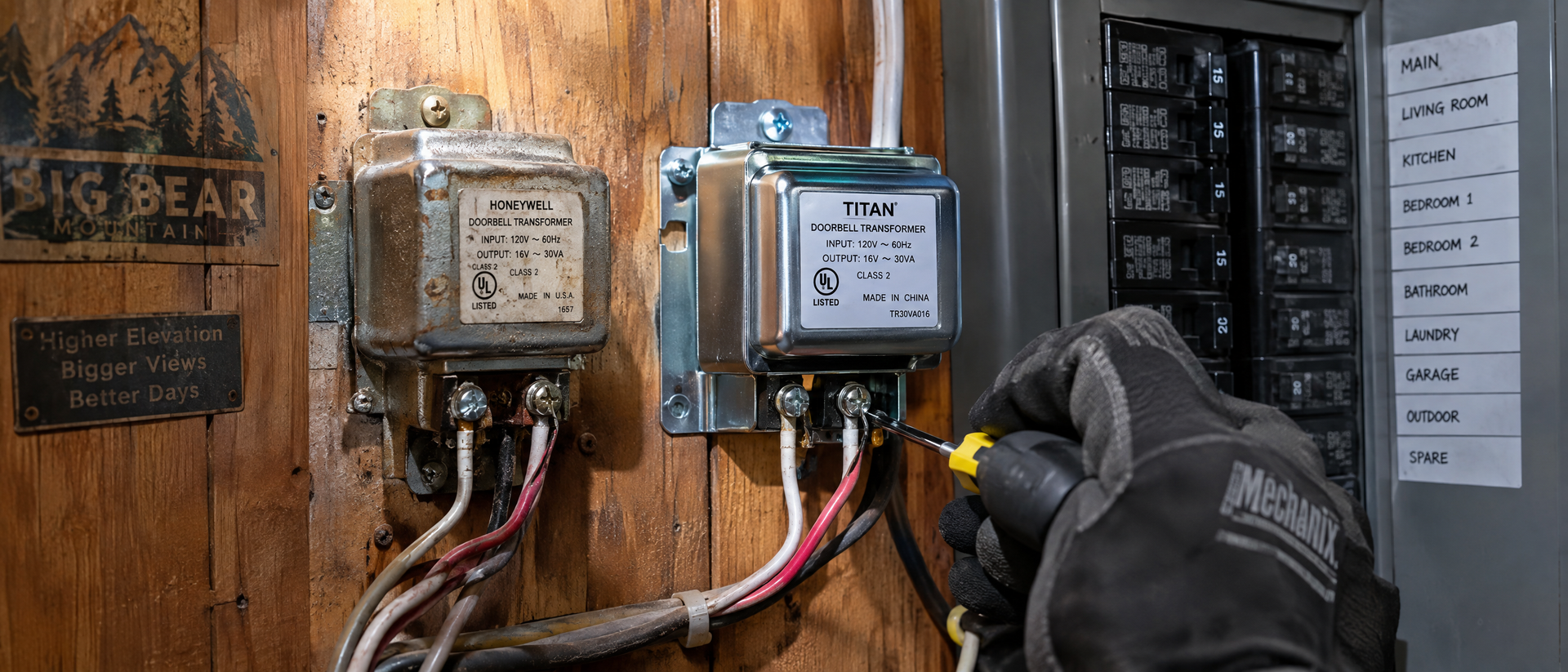
1. Outdated Electrical Panels That Can't Keep Up
Many Big Bear homes were built decades ago when electrical demands were much lower. If your home was constructed before 1990, there's a good chance your electrical panel isn't equipped to handle modern appliances, electric vehicle chargers, and smart home devices.
Warning signs you need a panel upgrade:

Circuit breakers trip frequently
You smell burning near the panel
The panel feels warm to the touch
Your home has a fuse box instead of circuit breakers
You're adding major appliances or an EV charger

An outdated panel isn't just inconvenient—it's a serious fire hazard. A professional Big Bear electrician can assess your panel and recommend an upgrade that meets modern safety codes and your household's power needs.

2. Aluminum Wiring in Older Mountain Properties
If your Big Bear home was built between 1965 and 1973, it may contain aluminum wiring. While aluminum wiring was common during the copper shortage of that era, it poses significant safety risks. Aluminum expands and contracts with temperature changes more than copper, which can loosen connections and create fire hazards.
How to identify aluminum wiring:

Look for "AL" or "ALUMINUM" printed on wire sheathing
Check inside electrical boxes for silver-colored wires
Your home was built during the 1960s-70s

Many insurance companies require homes with aluminum wiring to be inspected or rewired before issuing coverage. A licensed electrician in Big Bear can safely upgrade your wiring to modern copper standards, protecting your home and family.

3. Insufficient Outlets and Overloaded Circuits
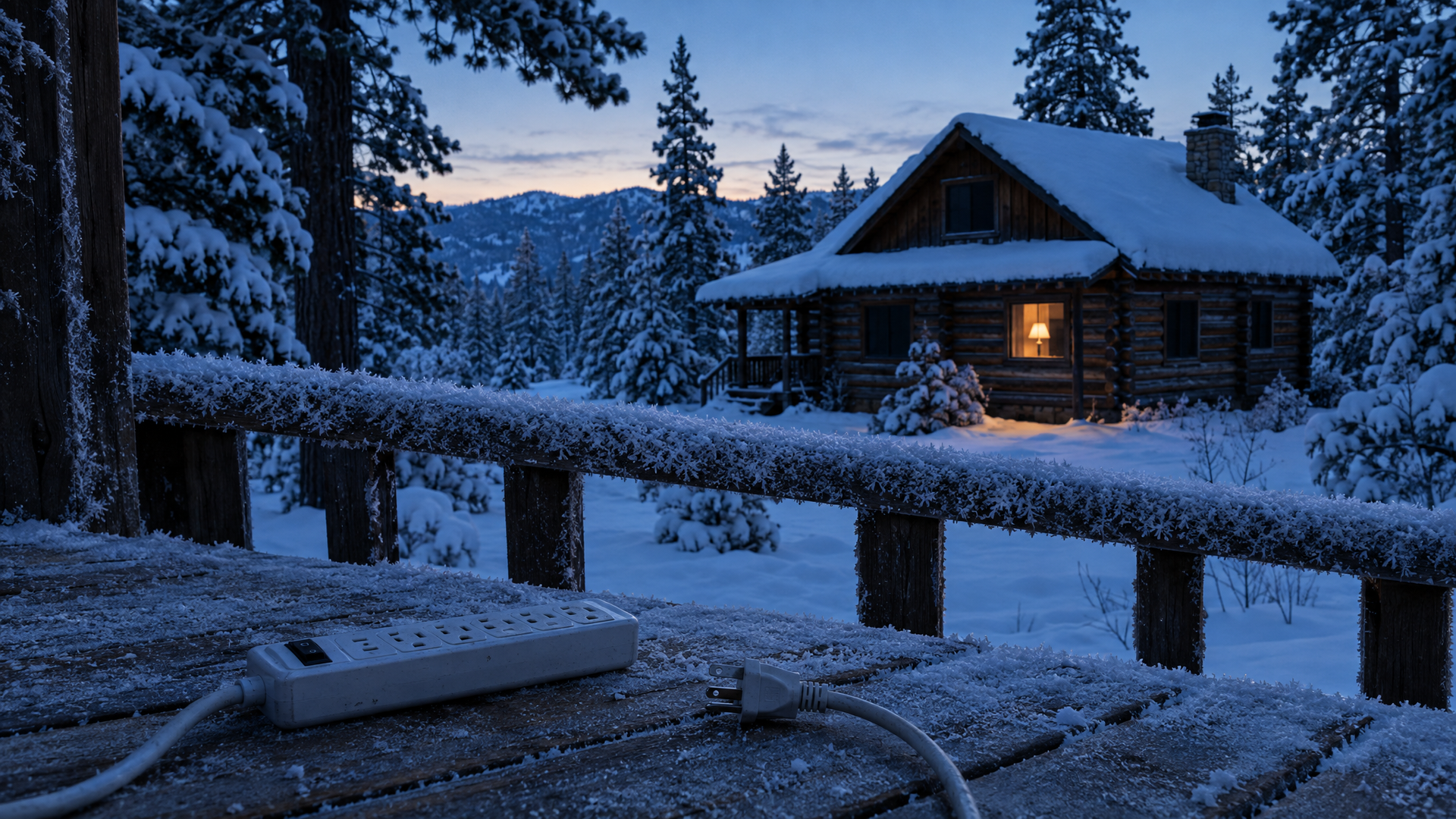
The typical Big Bear mountain home was designed for a simpler time. Today's households need power for smartphones, tablets, laptops, gaming systems, and countless other devices. Running extension cords and power strips everywhere isn't just unsightly—it's dangerous.
Signs you need more outlets:

Extension cords snake across every room
You're constantly swapping devices between outlets
Power strips are daisy-chained together
Outlets feel warm when devices are plugged in

Adding new outlets and dedicated circuits is a job for a professional. An experienced Big Bear electrician can strategically place new outlets where you need them most while ensuring your electrical system isn't overloaded.

4. Inadequate Exterior Lighting for Mountain Winters
Big Bear's long winter nights and heavy snowfall make proper exterior lighting essential for safety and security. Poor outdoor lighting can lead to dangerous slips and falls and make your property vulnerable to break-ins.
Outdoor lighting improvements:

Motion-sensor security lights around entrances
Pathway lighting for safe navigation
Landscape lighting to highlight your property
Weatherproof fixtures rated for mountain conditions
LED lighting for energy efficiency

Professional installation ensures your outdoor lighting is properly weatherproofed and safely wired, standing up to Big Bear's harsh winter conditions while reducing your energy bills.

5. No Backup Power During Mountain Blackouts
Power outages are a fact of life in Big Bear, especially during winter storms and the occasional rolling blackout during summer heat waves. Being without power in freezing temperatures isn't just inconvenient—it can be dangerous.
Generator installation benefits:

Keep heating systems running during winter storms
Prevent frozen pipes when temperatures drop
Maintain refrigeration and medical equipment
Stay connected with charged devices
Peace of mind during extended outages

A qualified electrician can install a transfer switch and help you choose between a portable generator and a permanently installed standby system that automatically kicks in when the power goes out.

6. GFCI Outlets Missing in Critical Areas
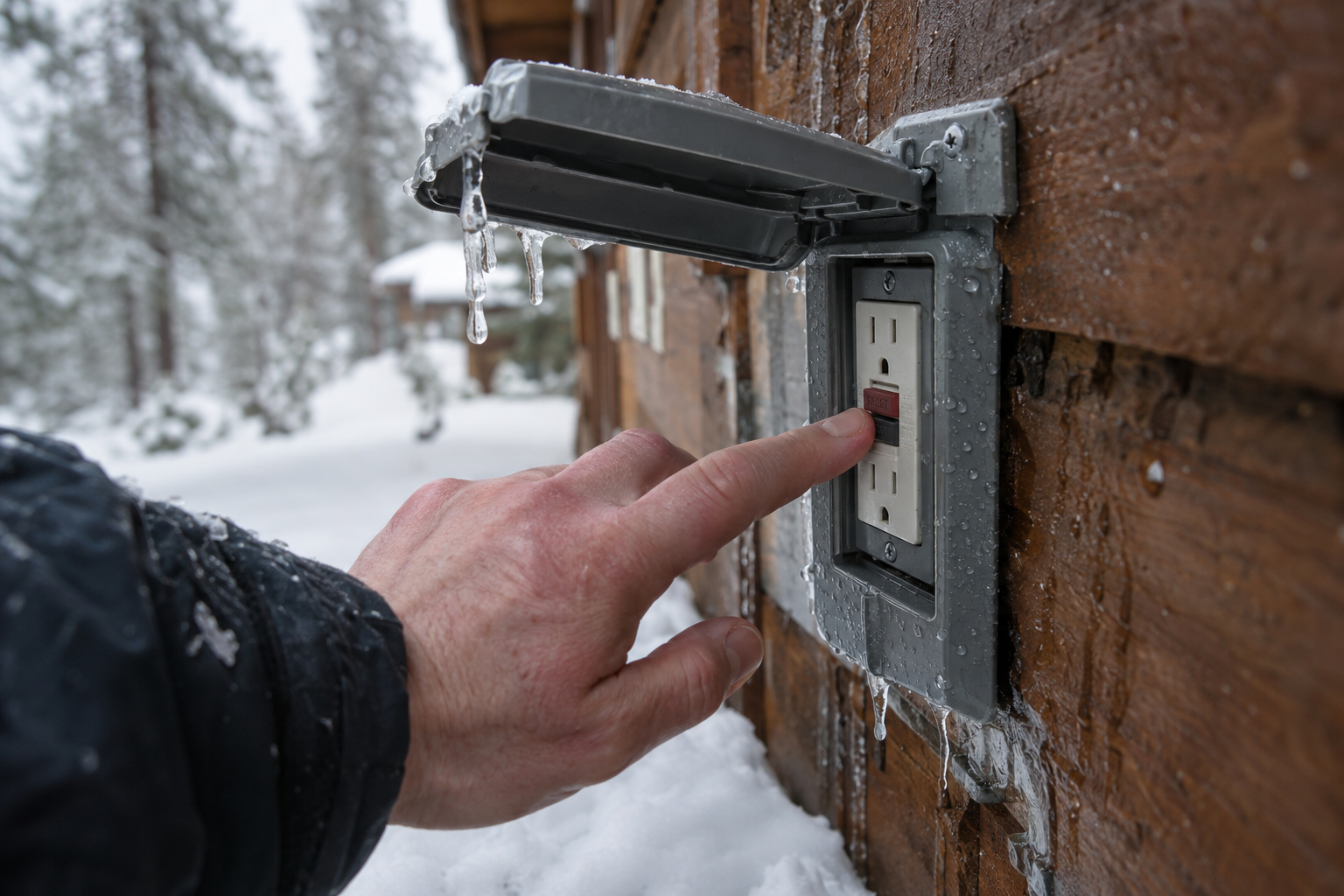
Ground Fault Circuit Interrupter (GFCI) outlets are required by code in areas where water and electricity might meet—bathrooms, kitchens, garages, and outdoor spaces. These life-saving devices shut off power instantly if they detect a ground fault, preventing serious shock and electrocution.
Where you need GFCI protection:

All bathroom outlets
Kitchen countertop outlets
Garage and workshop outlets
Outdoor outlets and hot tub areas
Laundry room near water sources

If your Big Bear home was built before these code requirements, you likely need GFCI outlets installed. This is an affordable safety upgrade that dramatically reduces the risk of electrical shock.

7. Preparing for Electric Vehicle Charging
More Big Bear residents are making the switch to electric vehicles, but standard 110-volt outlets take forever to charge—often 20+ hours for a full charge. Installing a Level 2 charging station (240 volts) reduces charging time to just a few hours.
What you need for EV charging:

Electrical panel assessment for capacity
Dedicated 240-volt circuit installation
Proper placement of charging station
Permits and code compliance
Weatherproof installation for mountain conditions

An experienced electrician can evaluate your electrical system, upgrade your panel if necessary, and install an EV charger that's safe, efficient, and built to last through Big Bear's extreme weather.

Don't Ignore Electrical Warning Signs
Electrical problems rarely fix themselves—they only get worse and more dangerous. If you're experiencing any of these issues, it's time to call a professional.

Immediate red flags that need emergency attention:

Burning smell from outlets or panel
Sparks when plugging in devices
Discolored or warm outlet covers
Buzzing sounds from switches or outlets
Lights dimming when appliances turn on

Work with Licensed Big Bear Electricians
When it comes to electrical work in your Big Bear home, hiring a licensed, insured electrician isn't just smart—it's essential. Licensed electricians understand California building codes, mountain-specific challenges, and proper installation techniques that keep your home safe.

What to look for in a Big Bear electrician:

Valid California C-10 electrical contractor license
General liability and workers compensation insurance
Experience working in mountain homes
Knowledge of local building codes
Free estimates and upfront pricing
Strong local reputation and reviews

Don't risk your family's safety or your home's value by cutting corners on electrical work. Whether you need a simple repair or a major upgrade, professional electricians in Big Bear have the expertise to get the job done safely and correctly.

Ready to Fix Your Electrical Issues?
Living in Big Bear means dealing with unique electrical challenges that require professional expertise. From outdated wiring to harsh weather conditions, your home's electrical system needs regular attention from qualified professionals.

If you're experiencing any of the electrical problems described above, don't wait for a small issue to become a major emergency. Contact a licensed Big Bear electrician today for a comprehensive electrical inspection and free estimate on repairs or upgrades.

Your mountain home deserves electrical systems that are safe, reliable, and built to handle everything Big Bear weather throws at them. Get the peace of mind that comes from knowing your electrical work is done right the first time by experienced professionals who understand the unique needs of Big Bear Valley homes.

Call now for same-day service and free estimates on all electrical work in Big Bear, Big Bear Lake, Big Bear City, Fawnskin, Moonridge, and surrounding mountain communities.
Licensed electrician installing home battery backup system in Big Bear Lake cabin after BVES PSPS
June 29, 2026
Just lost power in the BVES PSPS? Here's how Big Bear homeowners are installing home battery backup systems to stay on during the next shutoff. Call (909) 415-5573.
High winds over Big Bear Lake during a BVES Public Safety Power Shutoff warning  SCE PSPS alert June
June 25, 2026
SCE has placed two BVES transmission lines on its Monitored Circuit List for a potential PSPS starting June 26 @12pm. Here's what Big Bear homeowners need to do now.
Level 2 EV charger installed on Big Bear Lake mountain cabin exterior with BVES-compliant submeter
June 24, 2026
Installing an EV charger in Big Bear? Learn BVES Bear Ready rebate steps, permit requirements, and mountain-specific costs. Call (909) 415-5573 for a free quote.
Big Bear Lake vacation rental cabin with professional outdoor landscape lighting at dusk
June 23, 2026
The right outdoor lighting transforms a Big Bear cabin listing — better photos, safer guests, higher nightly rates. Free estimates: (909) 415-5573.
electrician-big-bear-city-ca-local-licensed-panel-upgrade
June 2, 2026
Big Bear City electrical work — panel upgrades, hot tub wiring, generator installs & EV chargers. Local C-10 licensed electrician. Free quotes: (909) 415-5573.
Self-regulating heat tape installed in zigzag pattern along the eave of a Big Bear Lake cabin roof
May 9, 2026
Stop ice dams from destroying your Big Bear cabin roof. Heat tape & gutter de-icing install costs, panel requirements & vacation rental tips. (909) 415-5573.
Licensed electrician inspecting electrical panel inside a Big Bear Lake cabin before purchase
April 13, 2026
Buying a Big Bear cabin? Inspect the electrical first. Panel hazards, unpermitted hot tub wiring & code gaps found before you close. Call (909) 415-5573.
Licensed electrician inspecting outdoor electrical panel at Big Bear Lake cabin in early spring
March 17, 2026
Don't leave your cabin's electrical safety to luck — Big Bear Lake homeowners should check these things before summer arrives.
Big Bear Lake mountain cabin surrounded by pine forest with wildfire glow on the horizon at dusk
March 11, 2026
Big Bear Lake is a CAL FIRE Very High Fire Hazard Zone. AFCI breakers, surge protection, and panel upgrades reduce ignition risk. Free assessments.
March 4, 2026
A hot tub is the single most-searched amenity for Big Bear vacation rentals. Guests filter for it. Hosts charge more for it. And every year, electricians in the San Bernardino Mountains get called out to properties where hot tubs are wired incorrectly — missing GFCI protection, running on undersized circuits, or connected without permits. This isn't a minor compliance issue. Hot tub electrical faults cause electrocutions. If you're installing a new hot tub at your Big Bear cabin or buying a property where one is already installed, here's what you need to know. Why Hot Tub Wiring in Big Bear Isn't a DIY Job Hot tubs require a dedicated 240-volt circuit, a GFCI breaker, a disconnect box, and weatherproof conduit — all installed to National Electrical Code (NEC) standards and inspected by San Bernardino County. California law requires a licensed C-10 electrical contractor for this work, and permits are mandatory. Beyond the legal requirement, Big Bear's environment creates specific installation challenges: Freeze-thaw cycles. At 7,000 feet elevation, buried conduit and underground wiring face repeated freezing and thawing that loosens connections and degrades materials faster than valley installations. Proper conduit depth and materials matter. Snow load on equipment. The disconnect box, conduit runs, and any exposed wiring near a hot tub need to be mounted and protected with mountain weather in mind — not just coastal California specs. Older panels in cabin stock. A significant percentage of Big Bear properties were built in the 1960s–1980s with 100-amp panels. A hot tub draws 50–60 amps. On an already-loaded panel, that's not a circuit you can add without a panel assessment first. Vacation rental liability. If a guest is injured or killed due to a hot tub electrical fault at your Airbnb or VRBO property, and that wiring was unpermitted or non-compliant, your homeowner's insurance may deny the claim. Both Airbnb and VRBO require hosts to certify their properties meet local safety codes. What a Code-Compliant Hot Tub Electrical Installation Actually Requires Here's what every properly wired hot tub in Big Bear needs: Dedicated 240-volt circuit. Hot tubs require their own dedicated circuit — typically 50–60 amps, though some smaller units run on 40 amps. The circuit must be sized to the specific hot tub model. Sharing a circuit with another load is a code violation. GFCI breaker. A Ground Fault Circuit Interrupter (GFCI) breaker on the hot tub's dedicated circuit is non-negotiable. GFCI protection detects dangerous current leakage — the exact failure mode that causes electrocutions in and around water — and cuts power in milliseconds. This is required by the NEC and by California code, and it's the most important safety feature in the entire installation. Disconnect box. A lockable disconnect switch must be installed within line of sight of the hot tub, at least 5 feet away from the water's edge. This allows power to be cut quickly in emergencies and gives service technicians a safe shutoff point. Proper wire gauge and conduit. The circuit requires wire sized appropriately for the amperage (typically 6 AWG for 50-amp circuits) run in weatherproof conduit. In Big Bear, conduit runs should use materials rated for temperature extremes — standard PVC can become brittle in sustained cold. Bonding. The hot tub's metal components — shell, frame, pump motors, heater — must be bonded together and connected to the electrical system's grounding. This equalizes voltage between components and prevents shock. Burial depth. If conduit runs underground (common when the panel is inside and the tub is on a deck or patio), it must be buried to code-required depth. In Big Bear's terrain, this often requires hand-digging around tree roots and through rocky soil. Permits and inspection. San Bernardino County requires an electrical permit for hot tub wiring. A county inspector will verify the installation before you're cleared to use the tub. Without a permit, the work isn't legally complete — and it's a liability that will surface during home sales. Does Your Big Bear Panel Have Room for a Hot Tub Circuit? This is the first question a licensed electrician will ask. A 50-amp hot tub circuit on a 100-amp panel that's already running a well pump, electric heating zones, kitchen appliances, and a washer/dryer is a problem. You're not just adding a breaker — you're adding a load that may push the panel past safe capacity. Before any hot tub installation, a qualified electrician should perform a load calculation to determine whether your current panel can handle the addition. If it can't, you have two options: a panel upgrade, or a load management approach that accounts for simultaneous demand. Panel upgrades for Big Bear cabins typically run $2,500–$4,500 and are often worth doing proactively, especially if you're also considering an EV charger, a generator, or additional circuits for a vacation rental. Combining work in a single project reduces permit fees and labor costs. According to the Consumer Product Safety Commission, there are approximately 33 pool and spa electrocution fatalities in the U.S. annually — nearly all involving improper grounding, bonding, or missing GFCI protection. At Big Bear's elevation, where emergency response times are longer and guests may not know where your breaker box is, that risk calculus matters more. What Hot Tub Wiring Costs in Big Bear Costs vary based on your panel situation, the distance from panel to tub, and whether conduit needs to be buried. Here are realistic ranges for San Bernardino Mountain area installations: Straightforward install, adequate panel, short run: $800–$1,500 Standard install with longer conduit run (30–60 ft): $1,500–$2,500 Install requiring underground conduit burial: $2,000–$3,500 Hot tub install plus panel upgrade (100A to 200A): $4,000–$7,000 San Bernardino County permit and inspection: $75–$150 These are installed costs including labor, materials, disconnect box, GFCI breaker, conduit, and permit. They don't include the hot tub unit itself. If you're buying a property with an existing hot tub, ask when the wiring was done and whether it was permitted. An uninspected hot tub installation is a known liability — budget $150–$300 for an electrician to inspect the existing wiring and give you a written assessment before you use it. Buying a Big Bear Property With an Existing Hot Tub: What to Verify Hot tubs on Big Bear vacation rental properties change hands frequently. Before you close escrow — or before your first guests use the tub — verify these four things: Confirm a GFCI breaker is installed. This is non-negotiable. If the hot tub circuit doesn't have a GFCI breaker at the panel, don't use the tub until one is installed. This is a $200–$400 fix that could prevent a fatality. Verify the disconnect box exists and is code-compliant. It should be within sight of the tub, at least 5 feet from the water, and lockable. Missing or undersized disconnect boxes are among the most common violations found on older Big Bear properties. Ask for permit documentation. A permitted installation will have a San Bernardino County inspection record. If the seller can't produce one, assume the wiring is unpermitted and budget for a compliance inspection. Check the wire gauge and conduit condition. If the conduit running from the panel to the tub is visibly degraded, undersized, or improperly supported, plan for remediation. Big Bear's temperature extremes are hard on materials over time. If any of these items are uncertain, schedule a hot tub electrical inspection before use — not after. Hot Tub Wiring for Vacation Rentals: The Compliance Angle If your Big Bear property is on Airbnb, VRBO, or a similar platform, hot tub electrical compliance isn't just a safety issue — it's an operational one. San Bernardino County's short-term rental permit requirements include compliance with all applicable safety codes. Electrical work, including hot tub wiring, must be permitted and inspected. An STR inspection that turns up unpermitted hot tub wiring creates a compliance problem that can jeopardize your permit. Beyond the county, your STR insurance policy matters. Standard homeowner's policies often don't cover commercial rental use. STR-specific policies typically require that the property meets local safety codes. If a guest is injured in a hot tub with non-compliant wiring, coverage under a non-STR policy is unlikely. A documented, permitted, inspected hot tub electrical installation is your paper trail. It shows due diligence. It satisfies county requirements. And it gives your insurance company what it needs to cover a claim if something goes wrong despite your best precautions. Frequently Asked Questions Can a handyman wire my hot tub in Big Bear? No. California law requires a licensed C-10 electrical contractor for this work. Unlicensed hot tub wiring is illegal, cannot be permitted or inspected, voids the hot tub manufacturer's warranty, and creates serious liability exposure for vacation rental hosts. My hot tub came with an installation manual — can I do it myself? The manufacturer manual describes how the tub should be wired. It doesn't authorize you to perform the electrical work yourself. California requires licensed contractors for 240V circuit installations regardless of what the manual says. How long does hot tub wiring take? A straightforward installation typically takes one day. If a panel upgrade is required or conduit needs to be buried across a long run, plan for 2–3 days. San Bernardino County permit approval adds 1–2 weeks of lead time before installation can begin. What if my hot tub runs on 120V instead of 240V? Plug-and-play 120V hot tubs (often called "soft tubs") plug into a standard outdoor GFCI-protected outlet. They don't require a dedicated circuit, though the outlet must be GFCI-protected and rated for outdoor use. A licensed electrician should verify your outdoor outlet is properly configured before use. Does my hot tub need to be bonded separately from grounding? Yes. Bonding and grounding are different and both are required. Bonding connects metal components together to equalize voltage; grounding provides a fault current path back to the panel. Missing bonding is a common deficiency found on older Big Bear hot tub installations. Ready to Wire Your Big Bear Hot Tub the Right Way? Big Bear Electric Pros handles hot tub wiring throughout Big Bear Lake, Big Bear City, Fawnskin, Sugarloaf, and the surrounding communities. We assess your panel capacity, pull all San Bernardino County permits, install GFCI protection and disconnect boxes to code, and provide documentation you can use for STR compliance and insurance purposes. Call (909) 415-5573 for a free hot tub wiring assessment. We'll walk you through what your installation requires and give you a clear, itemized quote. Licensed C-10 electrical contractor. Fully insured. Local to Big Bear.