BVES Rate Increase 2027: What Big Bear Homeowners Should Know Before the CPUC Public Forums
BVES Rate Increase 2027: What Big Bear Homeowners Should Know Before the CPUC Public Forums
Big Bear electric customers are about to get a direct line to the state regulator on their rates. On September 29, the California Public Utilities Commission announced public forums on Bear Valley Electric Service's 2027 General Rate Case. BVES filed the case in January, and the dates are close enough that you can still plan around them.
What BVES is asking for
BVES files a rate case every four years. This one covers 2027 through 2030. The requested revenue increases are:
- 2027: 14.25%
- 2028: 5.24%
- 2029: 4.74%
- 2030: 7.66%
Those add up to 31.89% over the four years, according to the CPUC. They're revenue increases, not automatic bill increases. For a typical customer, BVES estimates the 2027 proposal would raise an average-use residential bill, for someone not on the CARE discount, by about 9.61%, or $17.21 a month, compared with 2026 rates. That works out to roughly $200 a year. Your own number depends on how much electricity you use, and a cabin that heats electrically through the winter will see a bigger dollar change than a part-time getaway.
Why BVES says it needs the increase
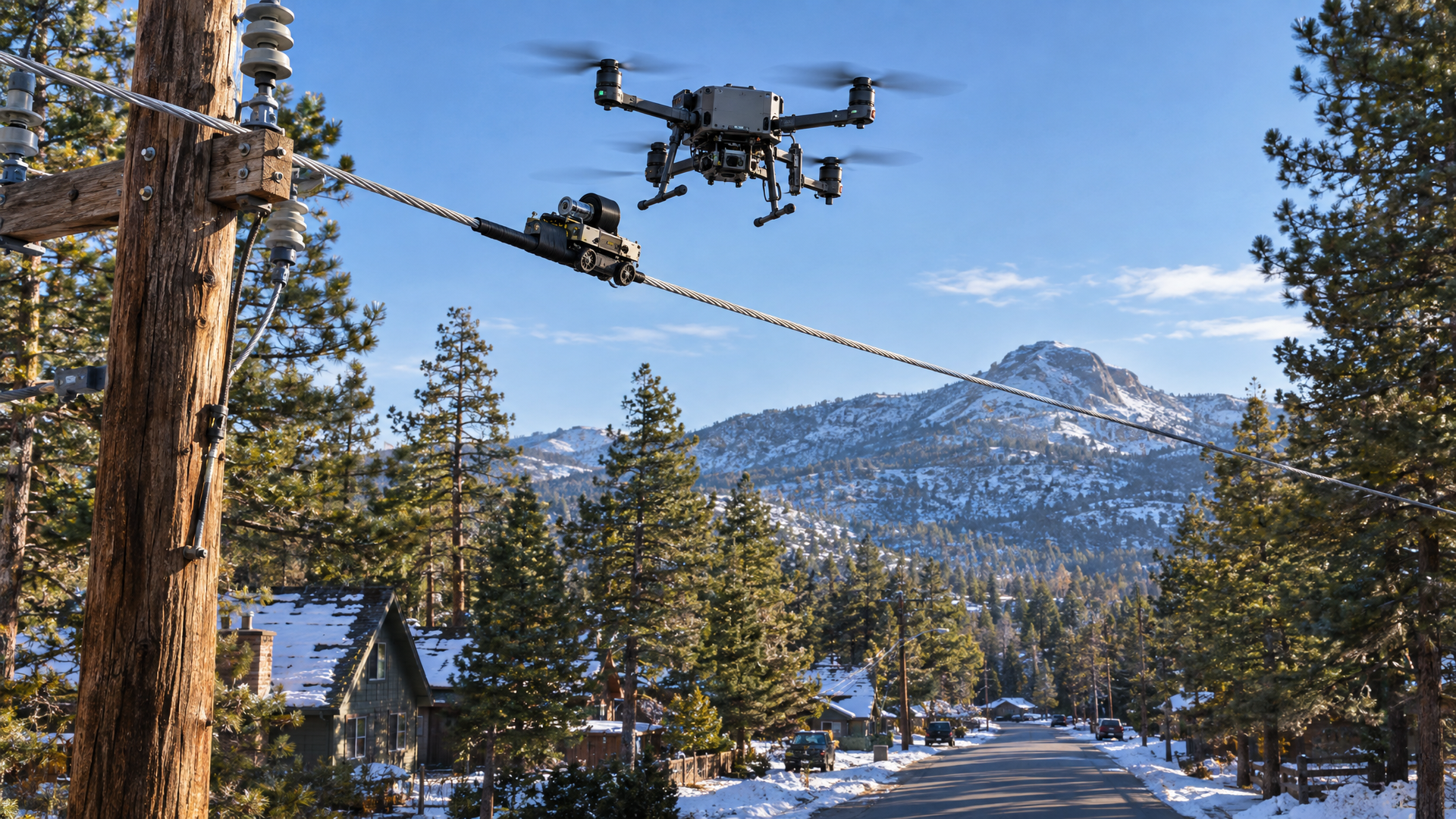
BVES says much of the request supports wildfire safety and reliability. It proposes about $109 million in capital investment over 2027 through 2030 to reduce ignition risk, improve reliability, strengthen the system against extreme weather, and support emergency response. The CPUC's Public Advocates Office and the commissioners review the request, and the Public Forums exist so customers can weigh in on it. Whether you think the request is reasonable or too high, the forums are the place to say so.
When it gets decided
- Oct. 13, 2026, 1 p.m.: Virtual public forum.
- Oct. 27, 2026, 2 p.m. and 6 p.m.: In-person forums at Big Bear Lake City Hall, 39707 Big Bear Blvd.
- January 2027: The CPUC expects to issue a proposal for public review and comment.
- February 2027: A final decision is anticipated.
BVES says new rates would take effect January 1, 2027 if the case is approved on schedule. The last cycle ran late: the CPUC adopted its final decision on January 16, 2025 for rates covering 2023 through 2026, and the Big Bear Grizzly reported the increase reaching bills in March of that year.
How to weigh in
No decisions are made at the forums. They're for public input. Here's how to take part:
- Watch online (Oct. 13): Stream it at adminmonitor.com/ca/cpuc, with English or Spanish captions. The webcast has audio and video but no way to speak.
- Speak by phone (Oct. 13): Call 1-800-857-1917, enter passcode #1673482, press *1 when prompted, and record your name. Wait times depend on the queue.
- Speak in person (Oct. 27): Attend at City Hall at either 2 p.m. or 6 p.m.
- Submit written comments: Use the public comment portal on the CPUC proceeding page for A.26-01-022.
- Need an interpreter or accommodation: Contact the CPUC Public Advisor's Office at public.advisor@cpuc.ca.gov or 866-849-8390 at least five business days before the forum.
The CPUC's fact sheet and BVES's own rate case page lay out the full request.
What you can control on your side of the meter
None of this changes the rate itself. But when a rate rises, using less electricity is the one lever that stays in your hands. A few places where electrical upgrades can make a real difference:
- Replace electric resistance heating. The U.S. Department of Energy says heating typically makes up about 30% of an average utility bill, and that today's heat pumps can cut heating electricity use by roughly 65% compared with electric baseboards and furnaces. If your cabin heats with baseboards or wall heaters, a ductless heat pump is worth pricing. At 6,750 feet, the model matters. DOE notes modern air-source heat pumps are now a real option in cold regions, but the unit has to be sized and rated for our winter lows.
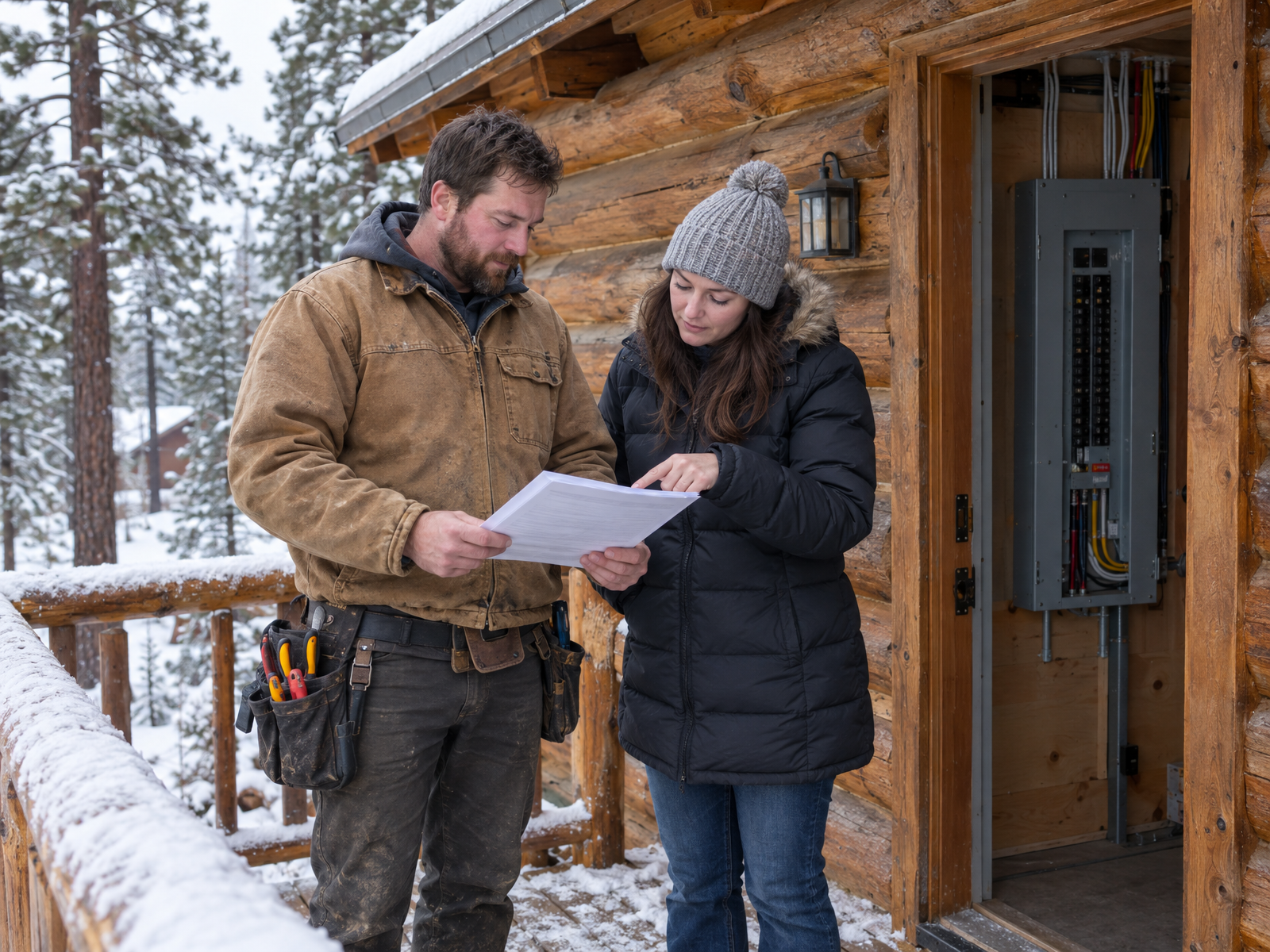
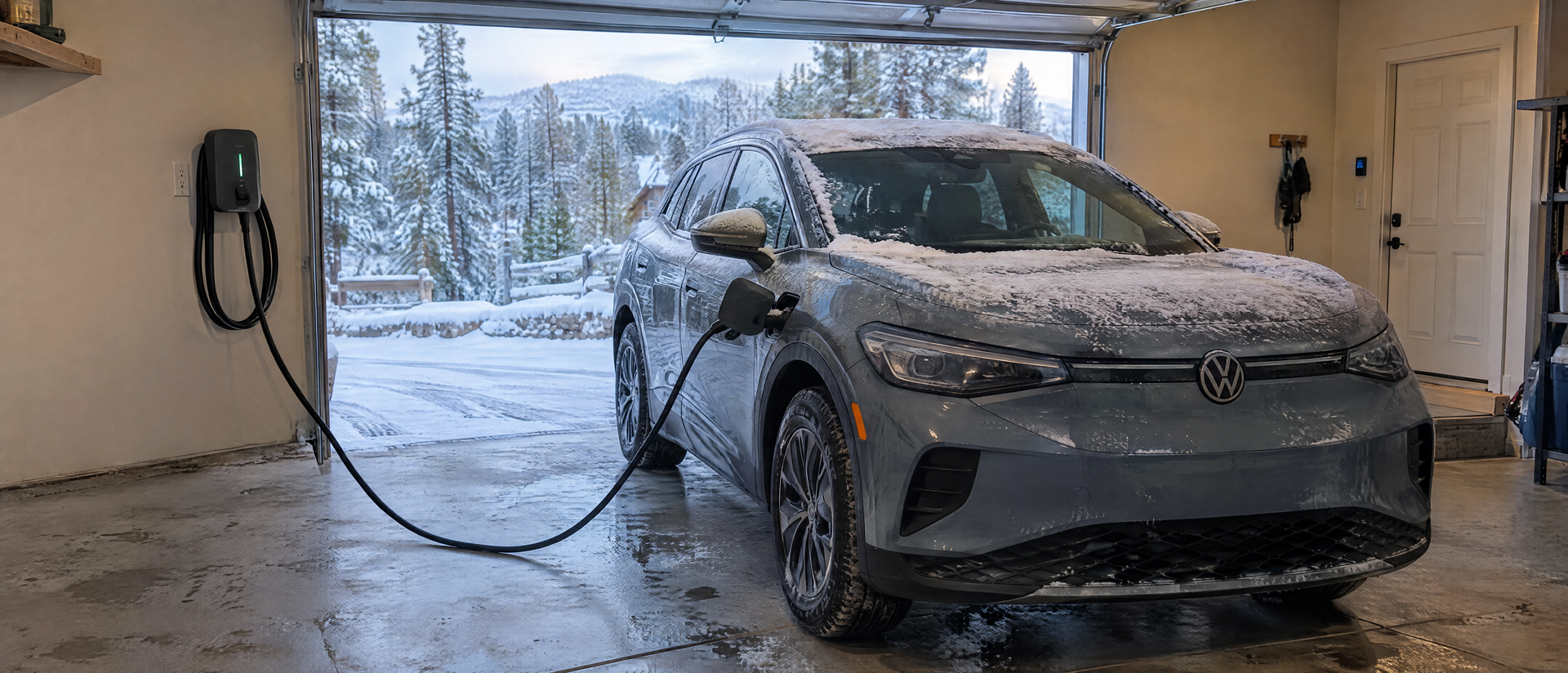
- Check your panel before you add load. A heat pump, an EV charger, or a hot tub all draw real power. Our panel upgrade guide explains how to tell whether yours can handle it.
- Put big loads on controls. A hot tub with a good cover and a timer, and a heated driveway running on a sensor instead of a switch, can stop you from paying to heat things nobody is using.
- Shut down a seasonal cabin correctly. If the place sits empty for weeks, an electrician can set it up so the loads that don't need to run don't.
Efficiency upgrades trim the kilowatt-hours you use. They don't change what a kilowatt-hour costs, and the savings depend on your home and your habits.
Questions people ask about the rate case
Is the increase approved?
No. It's BVES's proposal. The CPUC expects to issue a proposed decision in January 2027 and a final decision in February 2027, and the forums are for public input, not a vote.
Will my bill go up exactly 9.61%?
Not necessarily. That's BVES's estimate for an average-use residential customer not on the CARE discount, based on its request, and the final decision may differ. Your increase will depend on how much electricity you use.
I can't make a forum. Can I still comment?
Yes. Use the written comment portal on the proceeding page, or contact the CPUC's Public Advisor's Office.
Want to see where your cabin's kilowatt-hours are going before rates change?
Call Big Bear Electric Pros at (909) 415-5573 for a free estimate on heating, hot tub, driveway melt, and panel upgrades that cut your usage.

Big Bear Planned Power Outage Oct. 16–17: BVES's Timeline, Rolling Blackouts, and What to Do Tonight