Why Your EV Loses Range Faster in Big Bear Than It Does in the Valley
Why Your EV Loses Range Faster in Big Bear Than It Does in the Valley
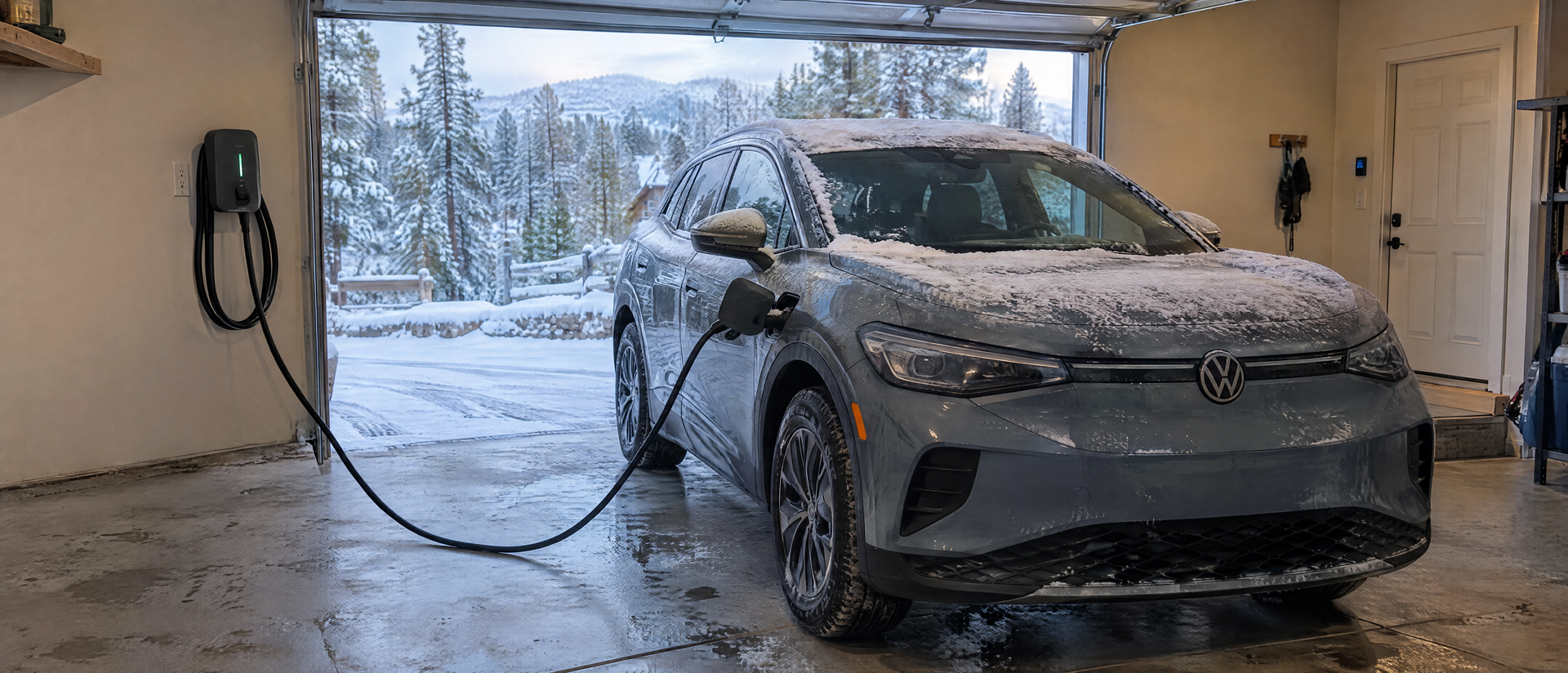
If you've driven an EV up the mountain in winter and watched the range estimate drop faster than it ever does down in the valley, you're not imagining it. Cold temperatures slow the chemical reactions inside a lithium-ion battery, and AAA's real-world winter testing found that EVs lose an average of 41% of their EPA-rated range at 20°F with the cabin heater running — a temperature Big Bear sees regularly through the winter months, and one that valley drivers rarely deal with at all.
The mechanism is straightforward once you understand it: as temperature drops, resistance inside the battery increases, which means the battery can't deliver or accept charge as efficiently as it does at room temperature. On top of that, keeping the cabin warm draws directly from the same battery powering the wheels — there's no separate gas-powered heater core doing that work the way there is in a traditional car. Every degree you ask your heater to fight is range you're not using to actually get up the mountain.
The Numbers Get Worse the Colder It Gets
It's worth breaking down just how much this scales with temperature, because "cold hurts range" undersells what actually happens at Big Bear's elevation. AAA's testing found range loss averages around 12% at a milder 32°F without heating running, climbing to 25-30% once the cabin heater is active at that same temperature. Push down to 20°F — a genuinely normal overnight low here through the winter — and that loss jumps to an average of 41% across brands and models. Separate research from Consumer Reports found the effect starts even earlier than most people expect, with measurable range loss beginning around 40°F, well before anything most drivers would call "freezing weather." At Big Bear's elevation, that threshold isn't a rare cold snap — it's a normal December morning.
Charging Slows Down Right When You Need It Most
Charging gets hit too, not just driving range. Below 32°F, DC fast charging can slow by 30-50% without preconditioning, and even a standard home charger takes longer to fully replenish a cold battery than a warm one. This matters more here than almost anywhere in Southern California, since Big Bear's overnight lows regularly sit well below freezing for months at a stretch — exactly the range where charging speed and battery efficiency both take their biggest hit. The frustrating part is the timing: the exact conditions that drain your range fastest are the same conditions that make replenishing that range take the longest, which compounds the problem instead of offsetting it.
Preconditioning: The Setting Most EV Owners Never Touch
There's a real, practical fix worth knowing: preconditioning your battery — warming it up before you unplug and drive, usually done through the vehicle's app or scheduled departure feature — can recover 10-15% of the cold-weather range loss you'd otherwise experience. It works by using grid power, while the car is still plugged in, to bring the battery up to a more efficient operating temperature before you ever start driving, rather than asking the battery to warm itself up using its own stored charge once you're already on the road. It's a setting most EV owners never touch, largely because it isn't turned on by default and isn't something most dealerships walk new owners through. For Big Bear specifically, where every winter morning starts cold, this is exactly the kind of small habit change that makes a genuinely measurable difference.
Why This Makes a Properly Sized Home Charger More Important Here
All of this is also exactly why a properly installed home charger matters more up here than it does in a milder climate. Public charging infrastructure in a mountain community is sparser than what you'd find in a city, and a slow public charger already fighting cold-weather inefficiency is a bad combination if it's your only option. Relying on public charging during a Big Bear winter means stacking two problems on top of each other: reduced availability and slower charging speed, at exactly the time of year you can least afford either one.
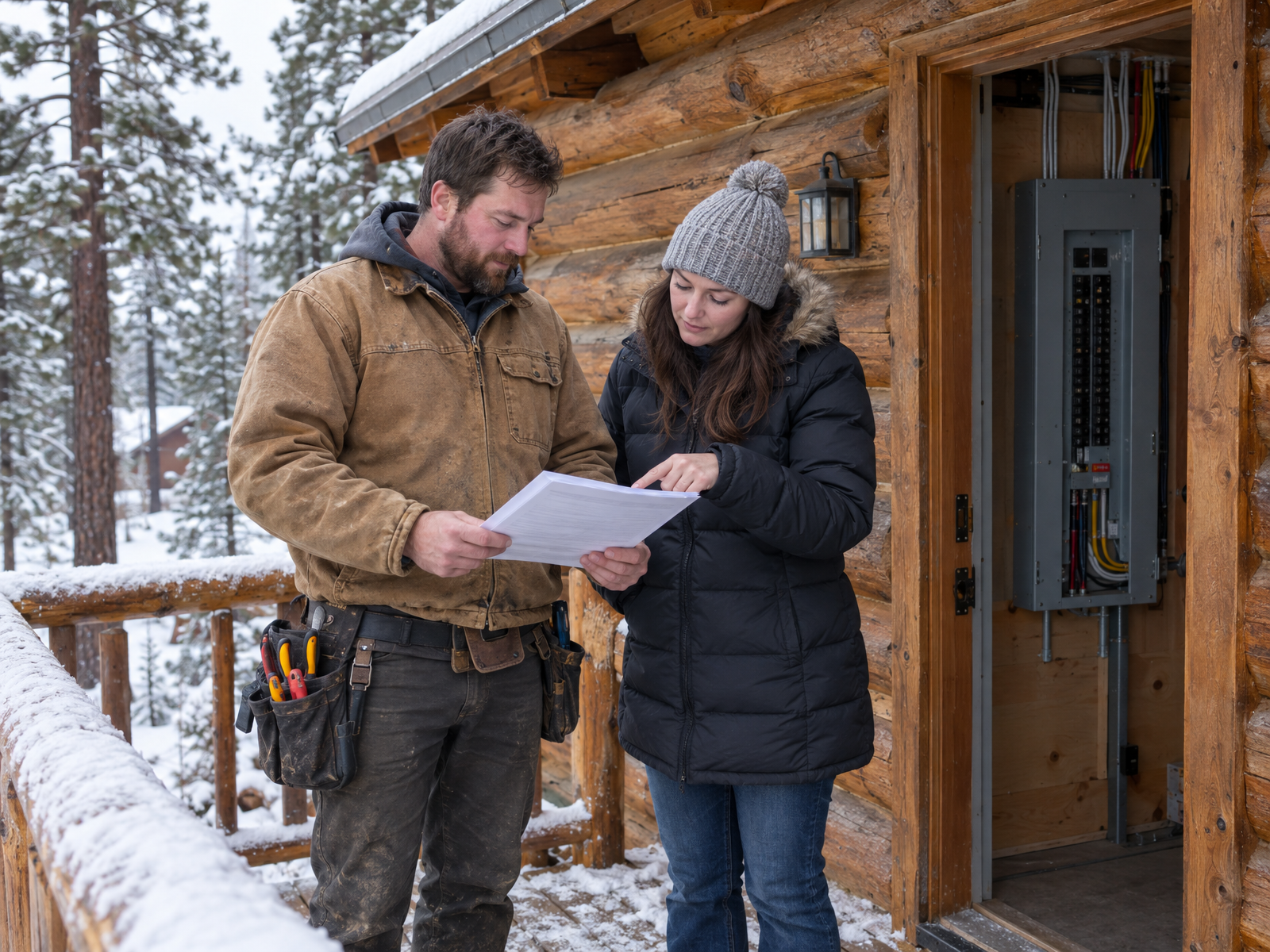
A Level 2 charger installed correctly at home means you're never depending on that infrastructure being available or fast enough when you actually need it. Overnight charging at home, on a circuit properly sized for your specific vehicle and winter usage patterns rather than a generic mild-weather estimate, means your car is ready every morning regardless of how cold it got overnight or how sparse public charging happens to be that week. If you're weighing your options, a Big Bear electrician who actually understands how cold-weather charging demand differs from a standard installation is worth the conversation before you commit to a specific charger or circuit size.
What This Means for Your Winter Driving Routine
A few practical takeaways worth building into your winter habits: precondition before you leave whenever your schedule allows it, plan for meaningfully reduced range on genuinely cold mornings rather than trusting the same estimate you'd get in summer, and don't count on quick top-offs at public chargers taking as little time in winter as they do the rest of the year. None of this means an EV is a bad fit for a Big Bear property — it means planning around how the vehicle actually performs here, rather than the range and charging numbers advertised for a much milder climate.
Own an EV in Big Bear and want your home charging setup built for how this climate actually performs, not a generic sea-level estimate? Call Big Bear Electric Pros at (909) 415-5573.
Big Bear Planned Power Outage Oct. 16–17: BVES's Timeline, Rolling Blackouts, and What to Do Tonight