Power Back On in Big Bear? What to Do After an Outage Before You Plug Everything In
Power Back On in Big Bear? What to Do After an Outage Before You Plug Everything In
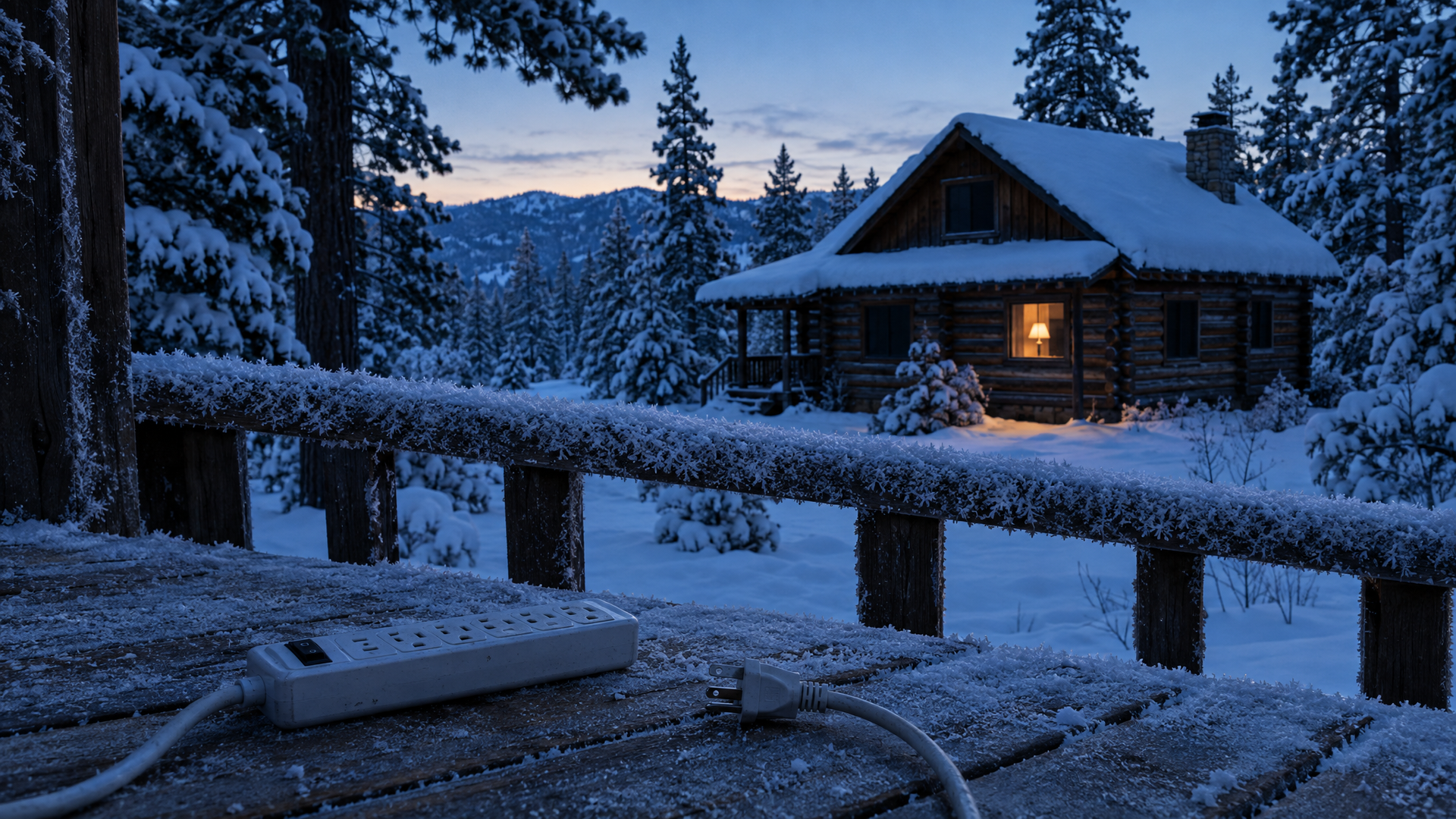
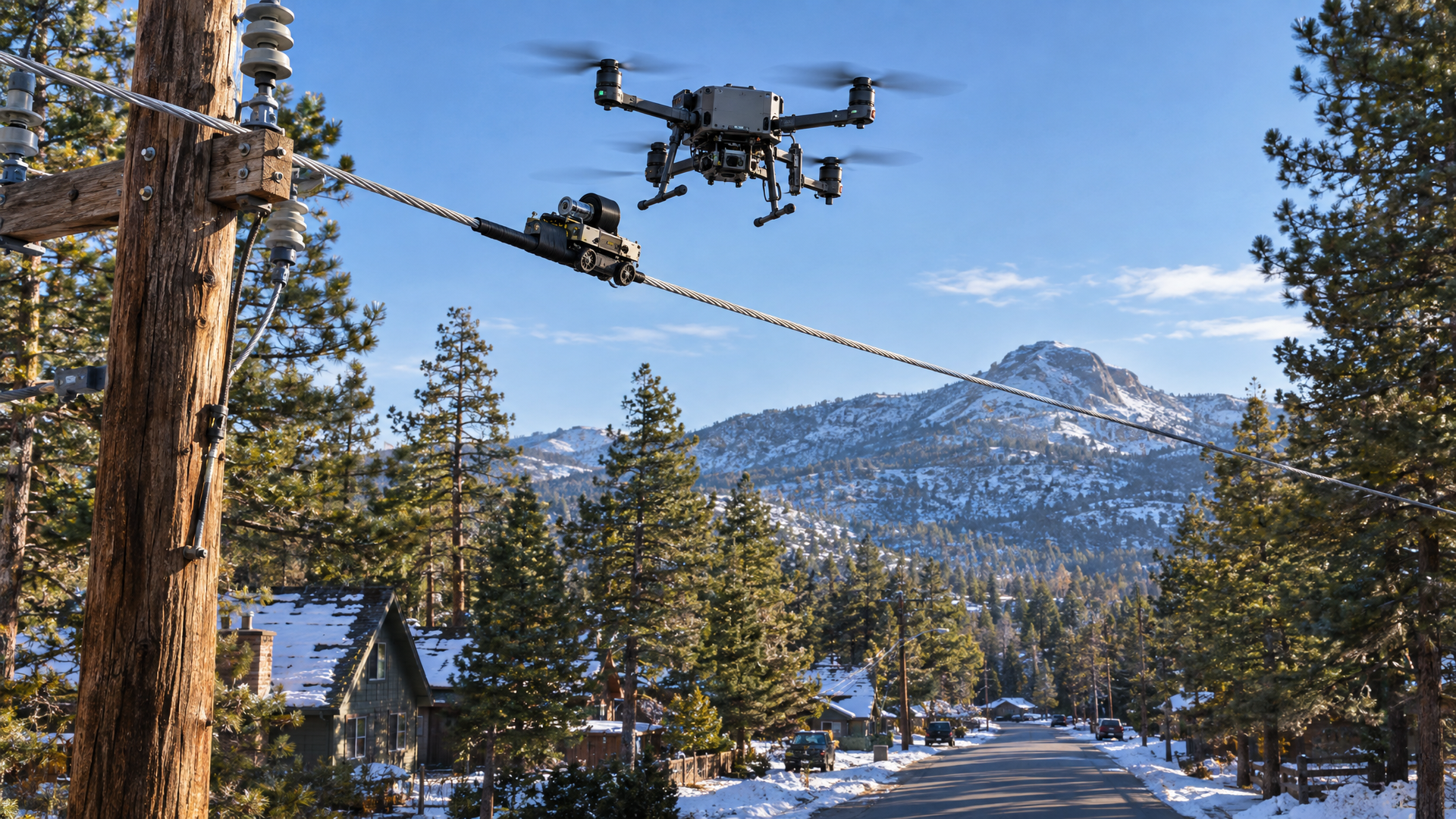
Yesterday afternoon, BVES posted an unplanned outage in the Village area and had power restored by 5 p.m. Less than two weeks earlier, on September 25, it warned customers that SCE was watching the transmission lines feeding Big Bear for a potential Public Safety Power Shutoff. The outage itself usually gets the attention. How you handle the moment power returns can matter more, because that's when surges, tripped breakers, and spoiled food show up.
What to expect from BVES on timing
BVES's own notices set the expectations. If power is shut off at night, it will likely stay off until morning because SCE has to inspect the affected lines first. After the winds die down, restoration typically takes about eight hours, longer if inspections have to wait for daylight. BVES also tells customers to use surge protectors for their electronics. That matters because the safe-restart steps below are what an electrician would add to that advice.
While you're waiting, set up for the restart
If you have a few minutes before power returns, these steps cost nothing:
- Leave one light switched on. A single lamp tells you the moment power comes back, even in the middle of the night.
- Unplug sensitive electronics. Computers, TVs, game consoles, and routers are the most vulnerable. Safe Electricity, a utility-supported safety group, notes that power sometimes returns in surges that can damage them.
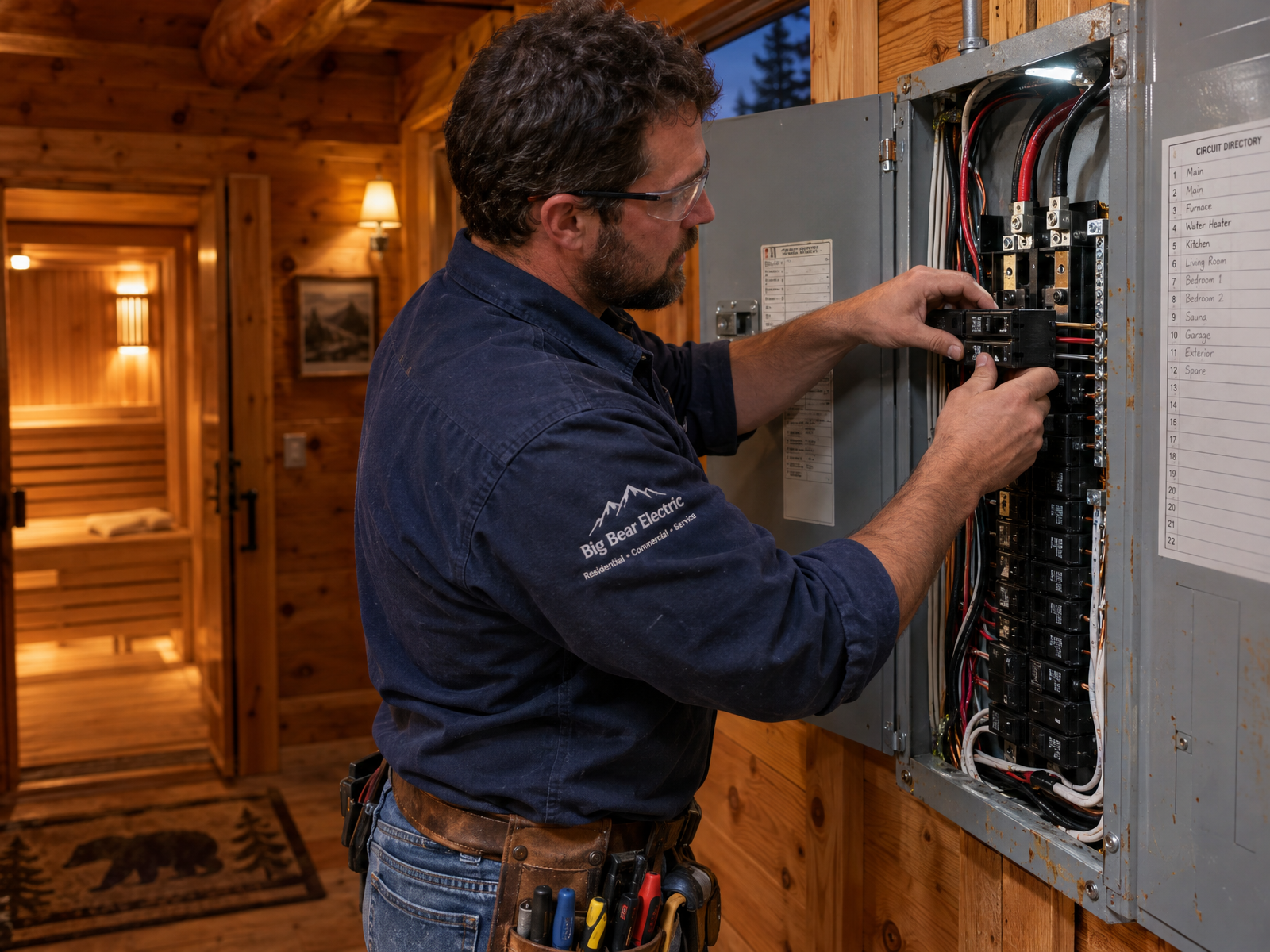
- Switch off the breakers for your big loads, like the hot tub, the electric water heater, a heat pump or baseboard heat, and a heated driveway. They'll all try to start at once otherwise.
- Leave the refrigerator and freezer plugged in and closed. Don't switch off anything protecting your home from freezing weather unless you have a plan for it.
When the lights come on: restart in order
Wait a few minutes before turning anything on. Then bring things back one at a time:
- First, the essentials: the refrigerator and freezer, and the heat.
- Then, one big load at a time, such as the water heater, then the hot tub, then the rest, with a few minutes between each.
- Watch for trouble as each one starts: flickering, buzzing, a burning smell, a warm outlet, or a breaker that trips again.
Some heating systems won't restart on their own after an outage. If yours doesn't, turn off the thermostat, reset the breaker, wait a few minutes, and try again. If a breaker trips again or anything smells hot, stop and call someone. That's not a problem to keep resetting.
If the power flickers on and off a few times, leave the sensitive electronics unplugged until it has been stable for a while.
Check the freezer and fridge
The CDC and USDA guidance is the same:
- Refrigerator: safe for about 4 hours with the door closed.
- Full freezer: about 48 hours with the door closed.
- Half-full freezer: about 24 hours.
After four hours without power, throw out perishable food like meat, fish, eggs, dairy, cut produce, and leftovers. If you kept an appliance thermometer inside, use it: the refrigerator should be at 40°F or below and the freezer at 0°F or below. When in doubt, throw it out.
Freeze checks for winter outages
A long outage in a Big Bear cold snap adds a second problem. If the power was out for many hours in freezing weather, check pipes, the hot tub, and any heat cable before you restart anything. If the hot tub's water has frozen, don't turn it back on. Call a professional, because running a frozen system can crack plumbing and damage the heater.
If you ran a generator
Never connect a generator to your house by plugging it into a wall outlet. That sends power back out onto the lines and can seriously injure utility crews. The safe way is a professionally installed transfer switch, covered in our backup generator guide. When you start a generator, nothing should be plugged into it, and when grid power returns, switch the house back following the transfer switch's instructions before you shut the generator down.
Plug-in strips only go so far
A surge strip protects what's plugged into it. It doesn't protect hardwired equipment like a furnace control board, a well or sump pump, or a hot tub controller, and the protective parts inside a strip wear down every time they absorb a hit. A strip that has taken a big surge may still pass power while offering little protection. A whole-house surge protector installed at the panel adds a first layer for the whole house. If you're thinking about one, our panel upgrade guide explains what your panel needs to support it.
When to call an electrician
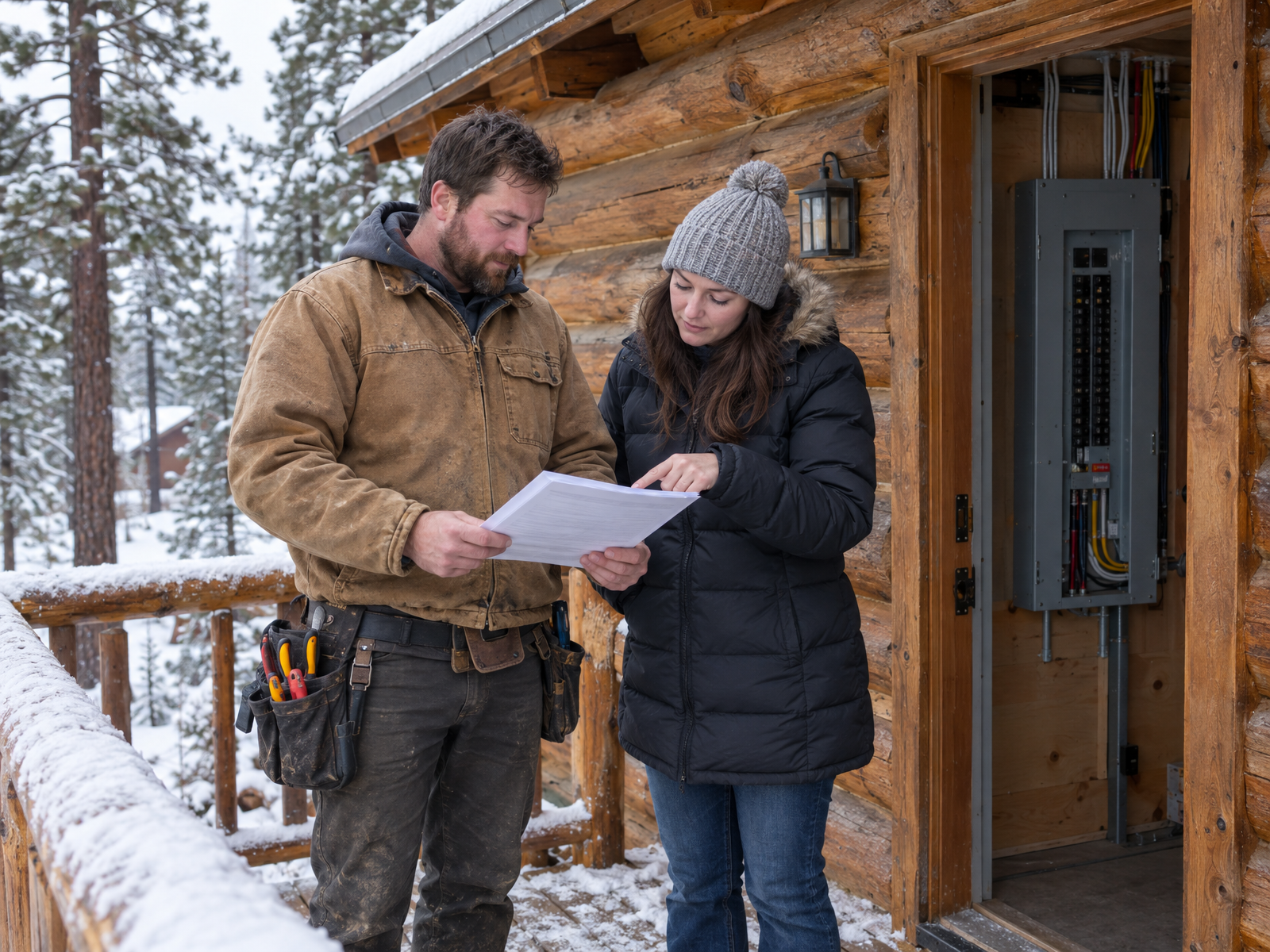
- A breaker that won't reset, or trips again right away.
- Flickering across several rooms after power returns.
- A buzzing or crackling panel, a hot outlet, or any burning smell.
- Appliances or electronics that died during the restoration.
Once things settle, check your smoke and CO detectors too, and see our detector requirements guide if any need replacing.
Questions people ask after an outage
How long should I wait before turning things back on?
A few minutes, according to Safe Electricity, then one appliance at a time. Neither BVES nor the utility guidance gives an exact number, so use the wait to see whether the power stays steady.
Is a plug-in surge protector enough for a Big Bear cabin?
It's a good first layer for electronics, but it only covers what's plugged into it. Hardwired equipment and the wiring itself are better served by a whole-house protector at the panel, ideally alongside strips.
The power flickered several times before staying on. Should I do anything?
Keep sensitive electronics unplugged until it has been stable for a while, and restart large loads one at a time.
Want whole-house surge protection or a generator transfer switch so the next outage doesn't cost you appliances?
Call Big Bear Electric Pros at (909) 415-5573 for a free estimate.
Big Bear Planned Power Outage Oct. 16–17: BVES's Timeline, Rolling Blackouts, and What to Do Tonight