Home Elevator Electrical Requirements in Big Bear: Why Multi-Level Cabins Need This More Than You'd Expect
Home Elevator Electrical Requirements in Big Bear: Why Multi-Level Cabins Need This More Than You'd Expect
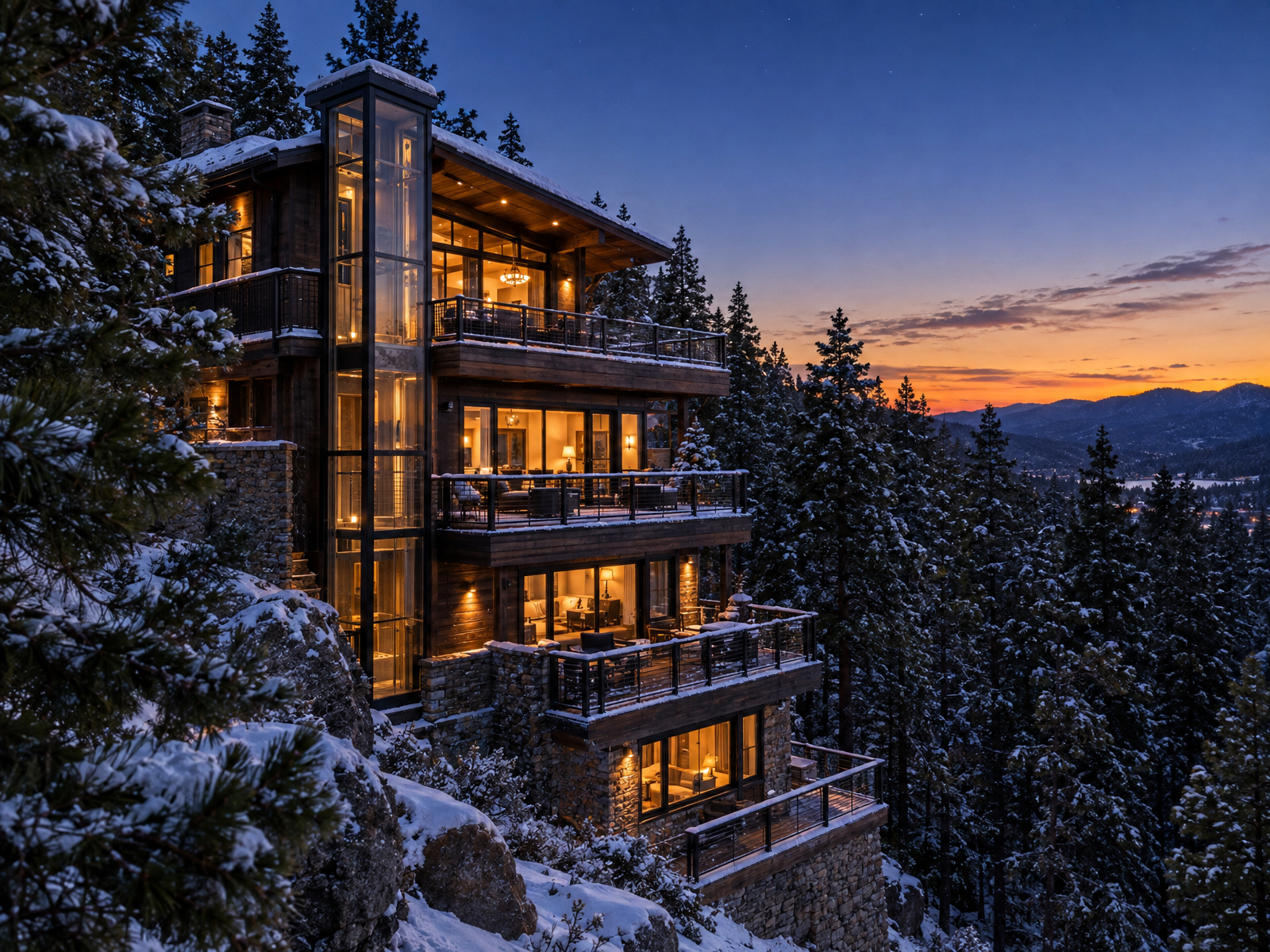
A home elevator sounds like a luxury feature, and in a lot of markets it is one. In Big Bear, it's often something closer to a practical necessity. Much of this mountain is built on genuine slope, and a cabin with a garage-level entry, a main living floor, and a bedroom level above or below isn't an unusual layout here — it's close to the norm. For an owner planning to age in place, or for a vacation property trying to stay accessible to guests who can't manage three flights of stairs, a residential elevator is a real, common request, not an exotic one.
Why Elevators Fall Under Their Own Section of Electrical Code
Residential elevators are governed by NEC Article 620, a section separate from standard residential wiring entirely, and layered on top of it is ASME A17.1 — the national safety standard for elevators and escalators, which most states and counties adopt directly. This isn't the kind of installation where a general contractor's electrician figures it out as they go. The elevator manufacturer specifies exact electrical requirements for their particular unit, and the electrical rough-in has to be coordinated with the elevator installer's own specifications before the unit ever arrives on site.
Two Separate Circuits, Not One
This is the detail that catches people off guard who assume an elevator is a single large appliance circuit like a sauna or an EV charger. A residential elevator actually needs two completely separate dedicated circuits, each with its own disconnect:
The main power circuit typically runs 220 to 240 volts at 30 amps, feeding the elevator's drive motor and controller. This circuit needs its own lockable disconnect — usually a fused disconnect rather than a standard breaker, since many elevator manufacturers specifically require fuse protection rather than a circuit breaker for this application. The disconnect has to be mounted externally with a visible, lockable handle, positioned close to the elevator's controller or machine room.
The cab lighting circuit is entirely separate: a 120-volt, 15-amp circuit powering the lights inside the elevator cab itself, with its own independent disconnect. The logic here is straightforward once you think about it — if someone's inside the elevator and the main power circuit needs to be shut off for any reason, the cab lights staying on is what prevents that person from being stuck in the dark.
The Machine Room and Shaft Need Their Own Electrical Provisions
Beyond the two primary circuits, code requires dedicated lighting in the elevator's machine room and shaft pit, with lensed or guarded fixtures, plus at least one GFCI-protected outlet for service access. Many jurisdictions also require a dedicated landline phone connection running into the machine room, tied into the elevator's emergency communication system — a requirement that predates cell phones but remains on the books in most adopted versions of the code, worth confirming with San Bernardino County directly since requirements can vary slightly by jurisdiction.
Why This Needs to Be Planned Before Construction, Not After
The electrical rough-in for a home elevator has to happen at a specific point in a build or renovation, coordinated directly with both the elevator manufacturer's specifications and the structural work creating the shaft itself. Retrofitting an elevator into an existing Big Bear cabin is possible, but it's a meaningfully bigger project than adding a sauna or a backup generator, since it typically involves structural modification alongside the electrical work, not just a new circuit run to an existing space.
If you're planning new construction or a major renovation and an elevator is even a possibility down the road, it's worth having the rough electrical and structural provisions built in from the start — adding the conduit and disconnect locations during initial construction costs a fraction of what retrofitting them into finished walls and floors costs later.
Planning a home elevator for a multi-level Big Bear property?
Get the electrical specified correctly before construction starts.
Call Big Bear Electric Pros at (909) 415-5573.

Big Bear Planned Power Outage Oct. 16–17: BVES's Timeline, Rolling Blackouts, and What to Do Tonight