Big Bear Home Sale? California's New Electrical Notice Explained, and Whether Your Cabin Can Handle a Heat Pump, EV Charger, or Hot Tub
Big Bear Home Sale? California's New Electrical Notice Explained, and Whether Your Cabin Can Handle a Heat Pump, EV Charger, or Hot Tub

The offer on a Big Bear cabin is accepted, and the buyers are already planning. A ductless heat pump for the cold bedroom. A Level 2 charger in the garage. Maybe a hot tub on the deck by Thanksgiving. Then the disclosure packet arrives, and one short paragraph in it asks a question nobody has asked yet: can this cabin's electrical system actually support all that?
Since January 1, California sellers have been required to put that paragraph in front of every buyer. Here's what it says, and what it means for a mountain cabin.
What the law now requires
Under SB 382, codified as Civil Code §1102.6i, sellers of one-to-four-unit residential property, or their agents, must deliver a statutory electrical notice to buyers on or after January 1, 2026. In plain terms, it says three things:
- An inspection may be advisable. A buyer may want a qualified professional to examine the electrical systems in any buildings on the property, including the main service panel, any subpanels, and the wiring.
- Wiring problems carry risk. Substandard, recalled, or faulty wiring may be a fire hazard and may make it hard to get property insurance.
- Capacity is limited. A system with limited capacity may struggle to support future additions such as solar, electric space heating, electric water heating, or EV charging.
The notice doesn't apply to a building sold within three years of its certificate of occupancy, and it follows the exemptions in California's disclosure statute for transfers like court-ordered sales and many foreclosure and estate transfers. The same law added a disclosure about local restrictions on replacing gas appliances. See this summary from Tyler Law LLP.
The capacity question is the Big Bear question
Most of the attention goes to old wiring, but in a mountain town the third sentence of the notice often matters more. Big Bear buyers are electrifying: heat pumps, EV chargers, saunas, hot tubs, and the occasional home elevator, all on a service panel that may have been sized for a different era. Each addition asks something specific of the panel. Typically:
- A heat pump or ductless mini-split. Usually a dedicated circuit sized to the unit's nameplate. It's also the upgrade the Department of Energy points to as far more efficient than resistance heat, which we cover in our guide to the BVES rate case.
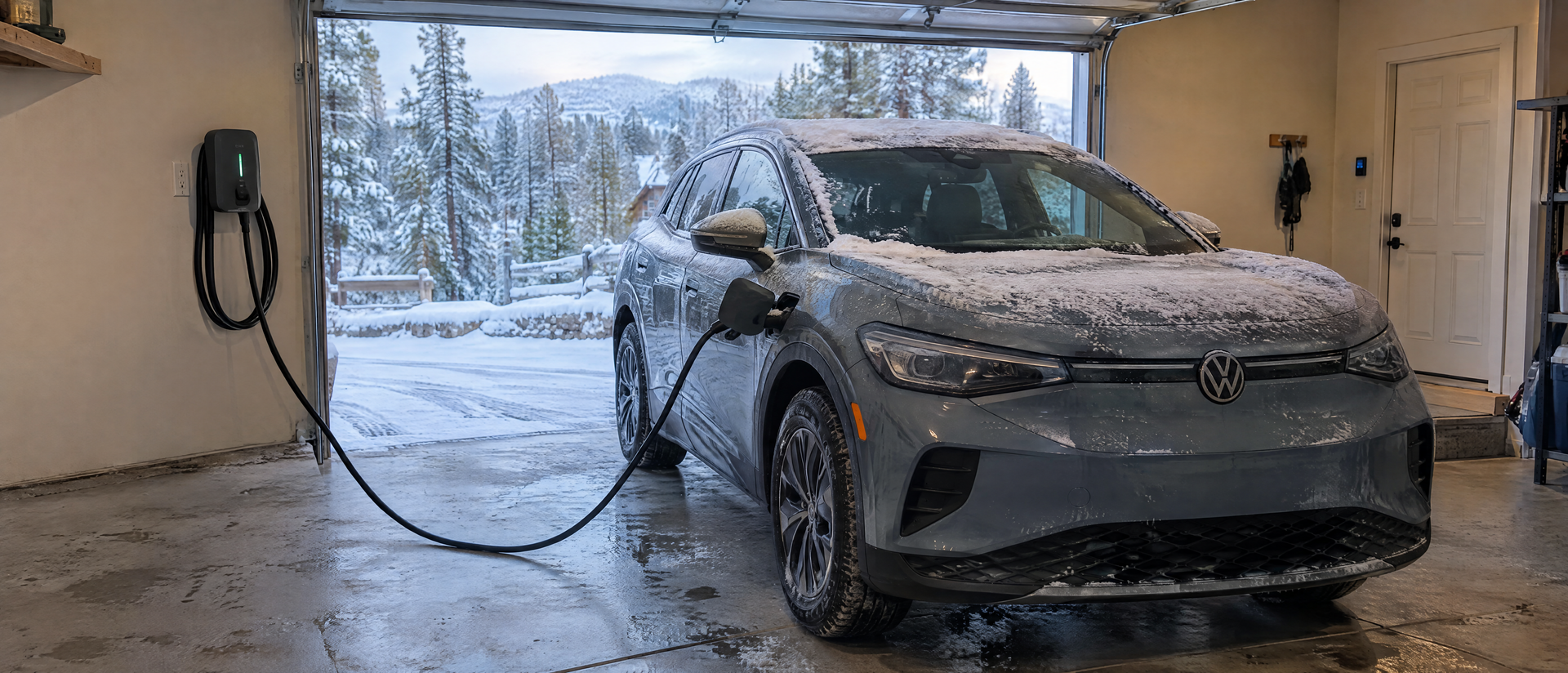
- A Level 2 EV charger. A dedicated 240-volt circuit, with the breaker sized above the charger's continuous draw. In Big Bear, cold also affects how much charging you'll want, as we explain in our guide to EV range in cold weather.
- A hot tub. A dedicated, ground-fault-protected 240-volt circuit sized to the tub's spec.
- A sauna. A dedicated 240-volt circuit sized by the heater's wattage. See our sauna requirements guide.
- A home elevator. Two dedicated circuits under NEC Article 620. See our elevator requirements guide.
- A backup generator and transfer switch. Our generator guide explains what the panel needs.
Always check the manufacturer's specifications, because the right circuit depends on the equipment you choose.
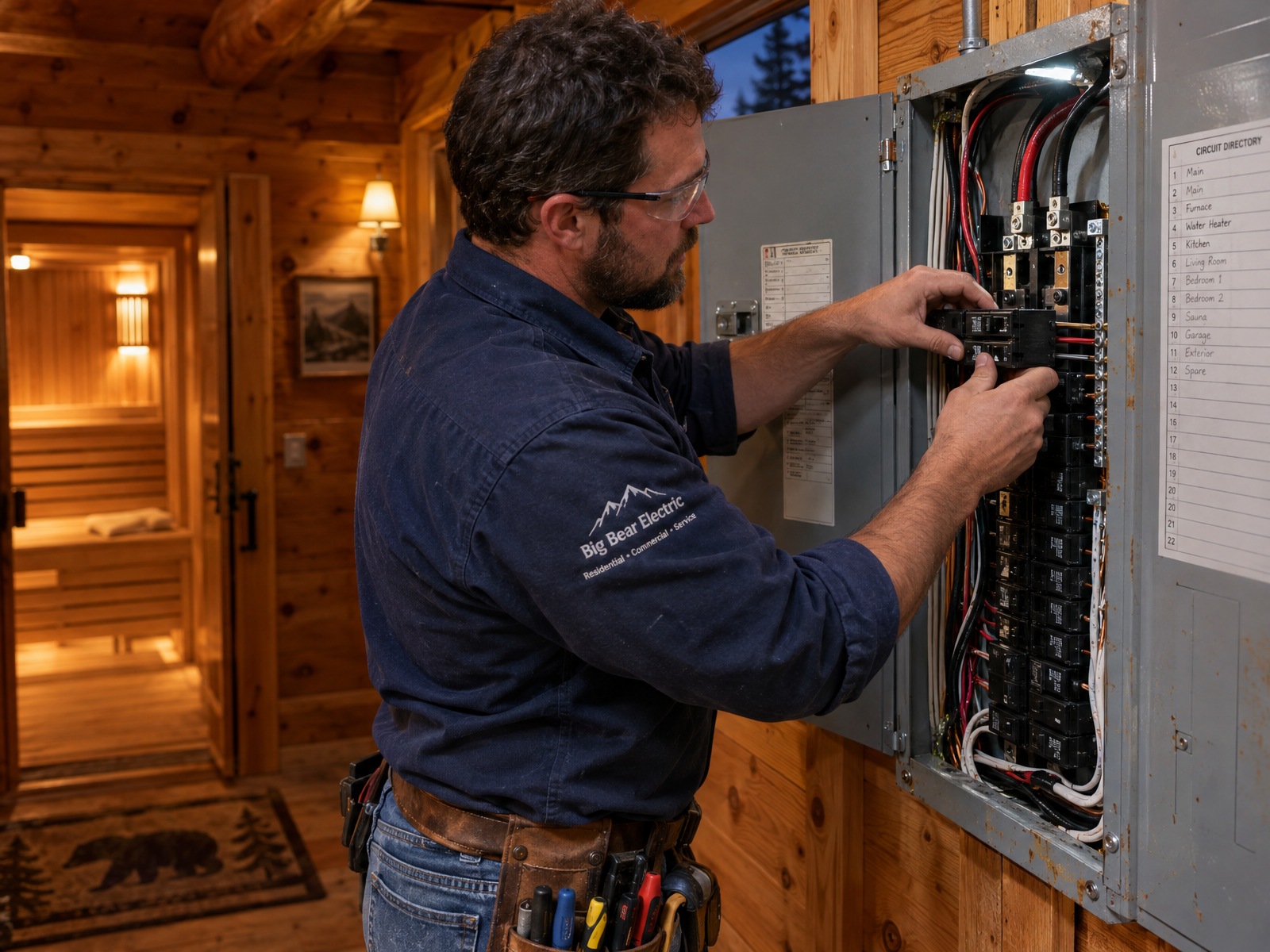
Adding several of these at once is where a cabin runs into trouble, because the question isn't whether the panel has an open slot. It's whether the service as a whole can carry the combined load. A licensed electrician answers that with a load calculation, and our panel upgrade guide explains what that involves.
The wiring half of the notice
The first half of the notice is about the equipment and wiring inside the walls. Home inspectors and electricians commonly flag:
- Federal Pacific Stab-Lok and Zinsco panels, brands with a reputation for breakers that fail to trip or fuse to the bus. The Consumer Product Safety Commission investigated Federal Pacific breakers in the early 1980s and closed the investigation without a recall. See Federal Pacific Electric.
- Aluminum branch wiring from roughly 1965 to 1973, which has well-documented connection problems. See aluminium building wiring.
- Knob-and-tube wiring, an early ungrounded system. See knob-and-tube wiring.
- Fuse boxes and 60-amp service, which can bottleneck even modest modern loads.
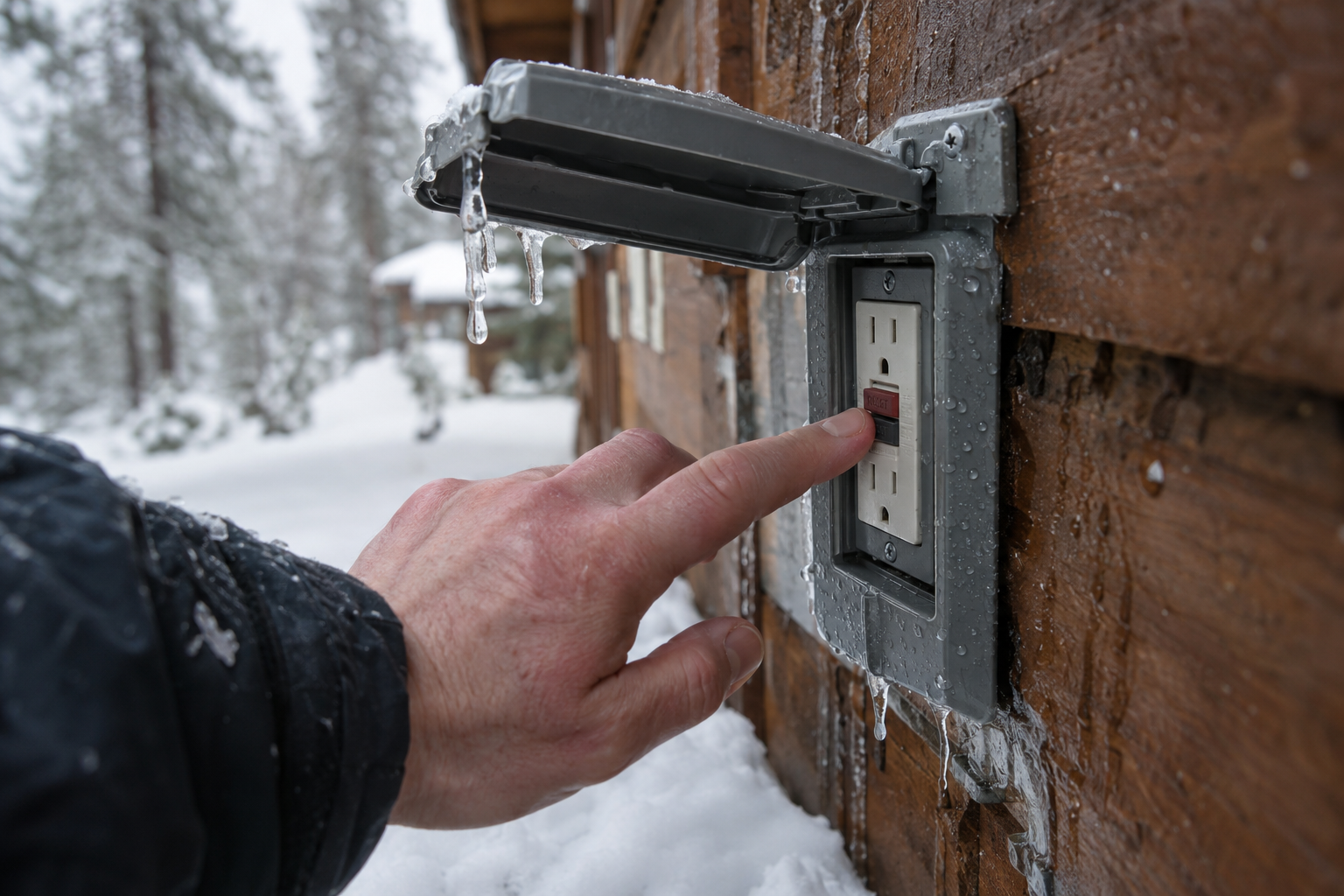
- Mountain wear. Snowmelt and ice dams can push moisture into outdoor equipment, and outdoor GFCI outlets pay for it, as our guide to winter GFCI tripping explains.
These are patterns inspectors report, not a verdict on any one cabin.
What it means for insurance
The notice itself says wiring problems may make insurance difficult to get. Inspectors and electricians report that some insurers decline, surcharge, or non-renew homes with certain panels or wiring, though it varies by company. Two things to remember:
- An insurer's rule is separate from a buyer's inspection. A cabin can pass inspection and still be declined for coverage.
- A new panel doesn't fix old wiring. Replacing a flagged panel won't change knob-and-tube circuits behind the walls.
If you're buying, ask an insurance agent about the specific cabin early. The standard California purchase contract commonly gives buyers around 17 days to investigate, including insurability. See the Department of Real Estate's guide to purchase contracts and disclosures.
If you're buying a cabin
- Book a licensed electrician in addition to the general inspector. An inspector can flag a concern, and an electrician can tell you what it will cost to fix.
- Request the basics: panel brand and amperage, service size, when it was last worked on, and any permit history.
- Say what you plan to add. If the plan includes a heat pump, an EV charger, and a hot tub, ask whether the service can support all three, not just one.
- Ask who the utility is. Big Bear is served by BVES, not SCE, and rates and outage plans differ. See our guide to what BVES's planned outage plan means for your cabin.
If you're selling a cabin
- Consider a pre-listing electrical check so you know what a buyer's electrician will find. We offer these for sellers and agents on our realtor services page, with documentation for escrow.
- Handle the small fixes first, like missing GFCI protection or loose connections.
- Disclose what you know. California sellers must disclose known material defects, and an "as-is" clause doesn't waive that duty.
- Pull permits for panel and wiring work.
Questions about the notice
Does 100-amp service mean I can't add a heat pump?
Not necessarily. Whether a cabin can take a new load depends on a load calculation, not just the size of the main breaker. An electrician can tell you whether it fits as is, needs load management, or needs a service upgrade.
What counts as a "qualified professional"?
The notice doesn't define it. Many buyers use a licensed electrician for the panel and wiring, in addition to a general home inspector. You can check a contractor's license on the
CSLB license lookup, as we explain in our
cost guide.
Does the notice apply to a cabin sold out of an estate or trust?
Many fiduciary transfers are exempt from California's disclosure rules, so the notice may not apply. Ask your agent or an attorney about your specific transaction.
Buying or selling a Big Bear cabin and want to know what the panel can really carry before escrow does?
Call Big Bear Electric Pros at (909) 415-5573 for a free quote on a pre-listing or pre-purchase electrical check, panel upgrades, and documentation for escrow.
Big Bear Planned Power Outage Oct. 16–17: BVES's Timeline, Rolling Blackouts, and What to Do Tonight