BVES's Bear Ready Residential Program: How Big Bear Homeowners Get EV Charging Infrastructure Reimbursed
BVES's Bear Ready Residential Program: How Big Bear Homeowners Get EV Charging Infrastructure Reimbursed
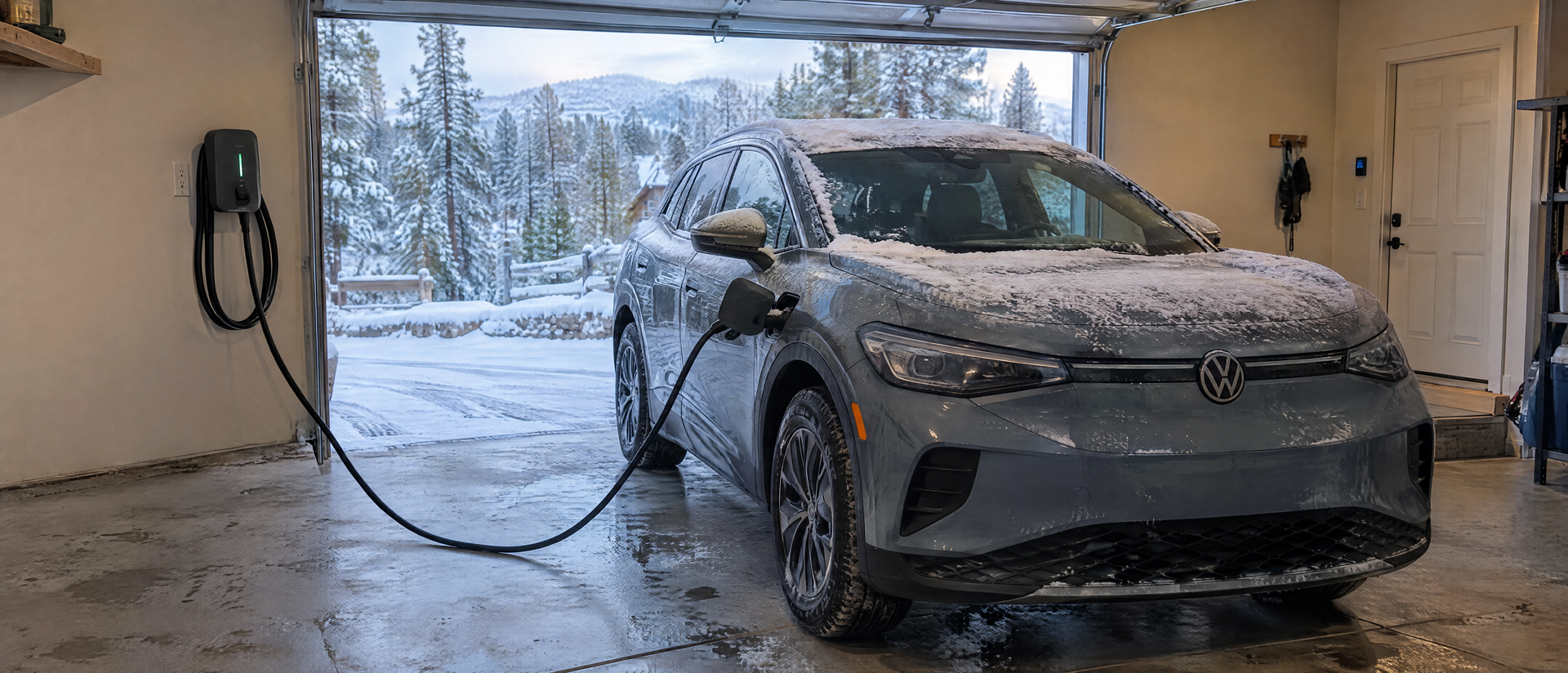
Quick answer: Bear Valley Electric Service's Bear Ready Residential program reimburses Big Bear homeowners for the electrical infrastructure costs needed to support home EV charging — equipment and licensed contractor labor to add a submeter — though it does not cover the EV charger itself. Participants also gain access to a special time-of-use rate designed specifically for EV charging. The program is administered through a third-party group, not directly by BVES, which changes how you apply.
What Is Bear Ready Residential, and How Is It Different From a Standard Rebate?
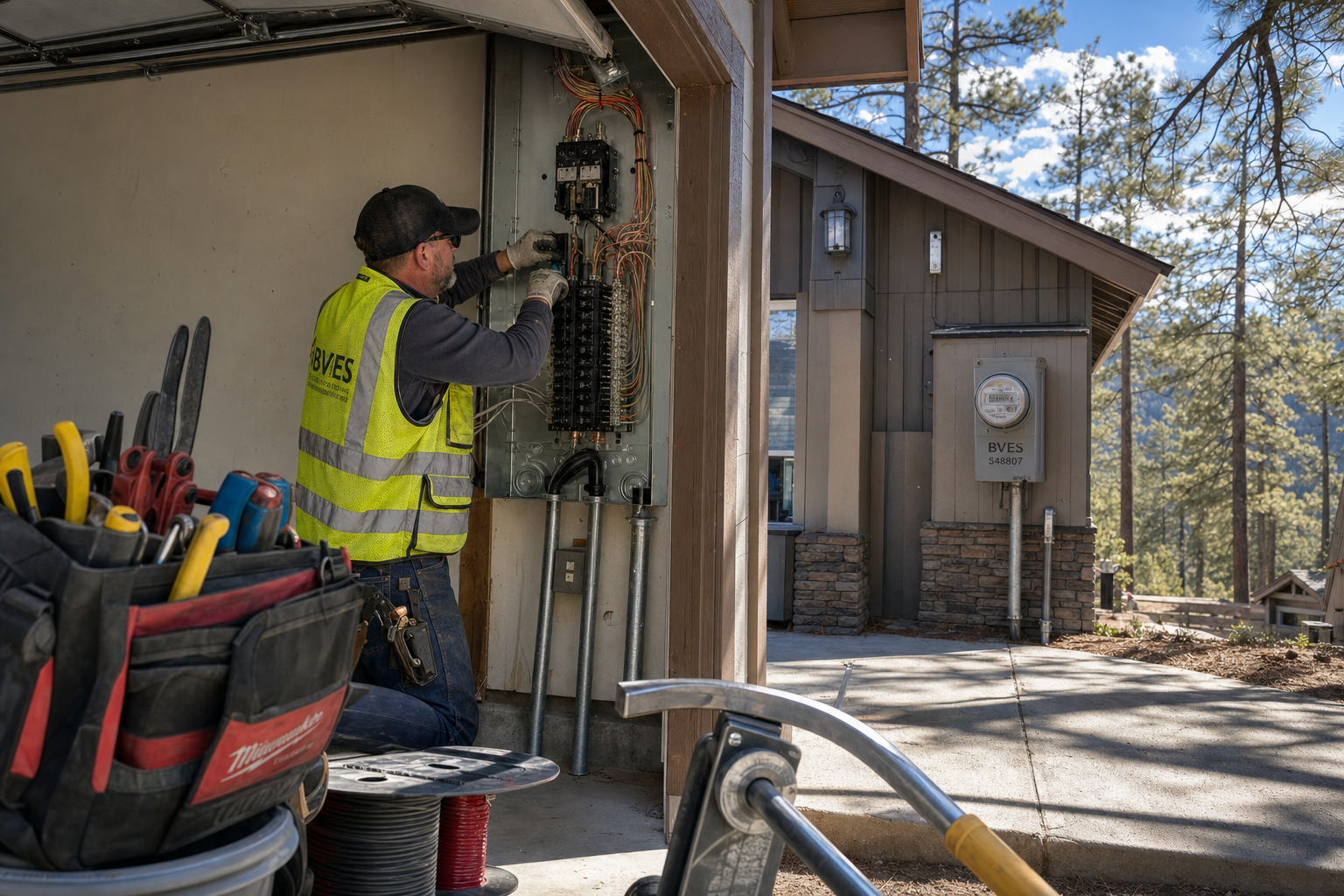
Unlike a flat-dollar rebate, Bear Ready Residential reimburses documented costs — the actual equipment and licensed electrical contractor labor required to add a submeter that measures your EV charging load separately from the rest of your home's electricity use. This submetering setup is what allows BVES to offer participants a special EV-specific time-of-use rate, since it can accurately track charging activity apart from general household usage.
What Does the Program Actually Cover — and What Doesn't It Cover?
The program reimburses the electrical infrastructure needed to support charging — the submeter equipment and the contractor labor to install it. It does not cover the EV charger itself; homeowners are free to use their preferred charging equipment on the electrical infrastructure once it's in place. This is functionally similar to how SCE's Charge Ready Home program works for Lake Arrowhead-area homeowners on the other side of the mountain, though the underlying mechanics — reimbursement versus flat rebate — differ.
Who Administers This Program, and Why Does That Matter?
Bear Ready Residential applications and processing go through the Center for Sustainable Energy (CSE), a third-party program administrator, rather than directly through BVES customer service. This matters practically: your application, contractor invoice, and final documentation get mailed or submitted to CSE specifically, not to BVES itself, so it's worth confirming you're using the correct current submission process rather than assuming standard utility customer service channels apply.
Do You Qualify? What Are the Eligibility Requirements for Bear Ready Residential?
To participate, your property needs to be located within and actively served by BVES, and you need off-street parking that's reasonably accessible from a point of power connection — a straightforward requirement for most Big Bear properties, but worth confirming if your parking situation is unconventional. You also need to be the property owner to apply, and the process requires submitting a Preliminary Service Request to BVES before any work begins, followed by using an approved electrical contractor once your application is accepted.
The Bonus: BVES's Special Time-of-Use Rate for EV Charging
Beyond the infrastructure reimbursement itself, enrolling in Bear Ready Residential gives you access to BVES's residential EV charging time-of-use rate, which is designed to shift charging toward times that reduce strain on the local grid in exchange for more favorable pricing. Given how much smaller and more constrained BVES's service territory is compared to a large investor-owned utility — it's a relatively small utility serving a roughly 31-square-mile mountain area — this rate structure genuinely matters for managing local grid demand, not just as a marketing feature.
What's the Application Process?
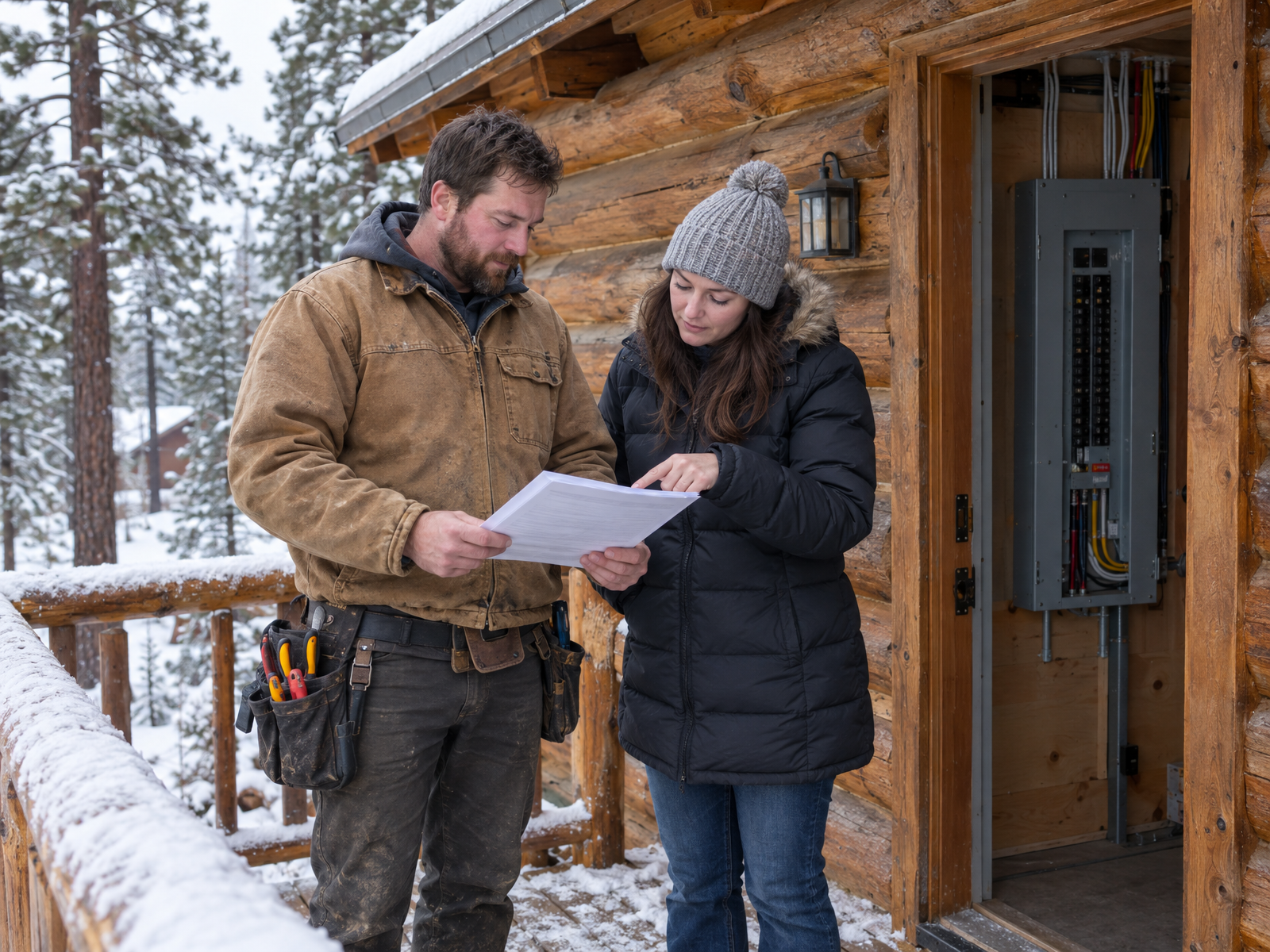
Submit a complete Preliminary Service Request to BVES first. Once your quote is approved, your electrical contractor can begin the work. After installation, your contractor secures the required permits, completes the installation and final inspection, and submits the invoice along with photos clearly showing the completed, operational EV charging setup to CSE for reimbursement processing.
Does This Program Replace a Panel Upgrade Recommendation?
Not necessarily — a submeter addition and a panel upgrade are two different things, and depending on your existing panel's age and capacity, you may need both. If your Big Bear cabin still has an older, undersized panel, our panel upgrade guide covers the signs it's time, and we can evaluate whether your project needs a panel upgrade, a Bear Ready submeter installation, or both as part of the same visit.
FAQ
Does BVES's Bear Ready program cover the cost of an EV charger?
No. It reimburses the electrical infrastructure and submeter installation costs needed to support home EV charging, not the charger equipment itself.
Who do I submit my Bear Ready Residential application to?
Applications and final documentation go through the Center for Sustainable Energy (CSE), the program's third-party administrator, not directly through BVES customer service.
Do I need off-street parking to qualify for Bear Ready Residential?
Yes. Your property needs off-street parking reasonably accessible from a point of power connection to be eligible.
Is BVES's EV program the same as SCE's Charge Ready Home program?
No. While both support home EV charging infrastructure, BVES's Bear Ready Residential reimburses documented equipment and labor costs and includes a special time-of-use rate, while SCE's program offers a flat-dollar rebate structure.
Do I need a panel upgrade in addition to the Bear Ready submeter installation?
It depends on your existing panel. An evaluation can determine whether your property needs a panel upgrade, a submeter installation, or both.
Considering EV charging at your Big Bear property? We'll help you navigate the Bear Ready application and determine what electrical work you actually need.
Call (909) 415-5573 for a free assessment.
Big Bear Planned Power Outage Oct. 16–17: BVES's Timeline, Rolling Blackouts, and What to Do Tonight