Smoke and CO Detector Requirements for Big Bear Cabins: What California Law Requires
Smoke and CO Detector Requirements for Big Bear Cabins: What California Law Requires
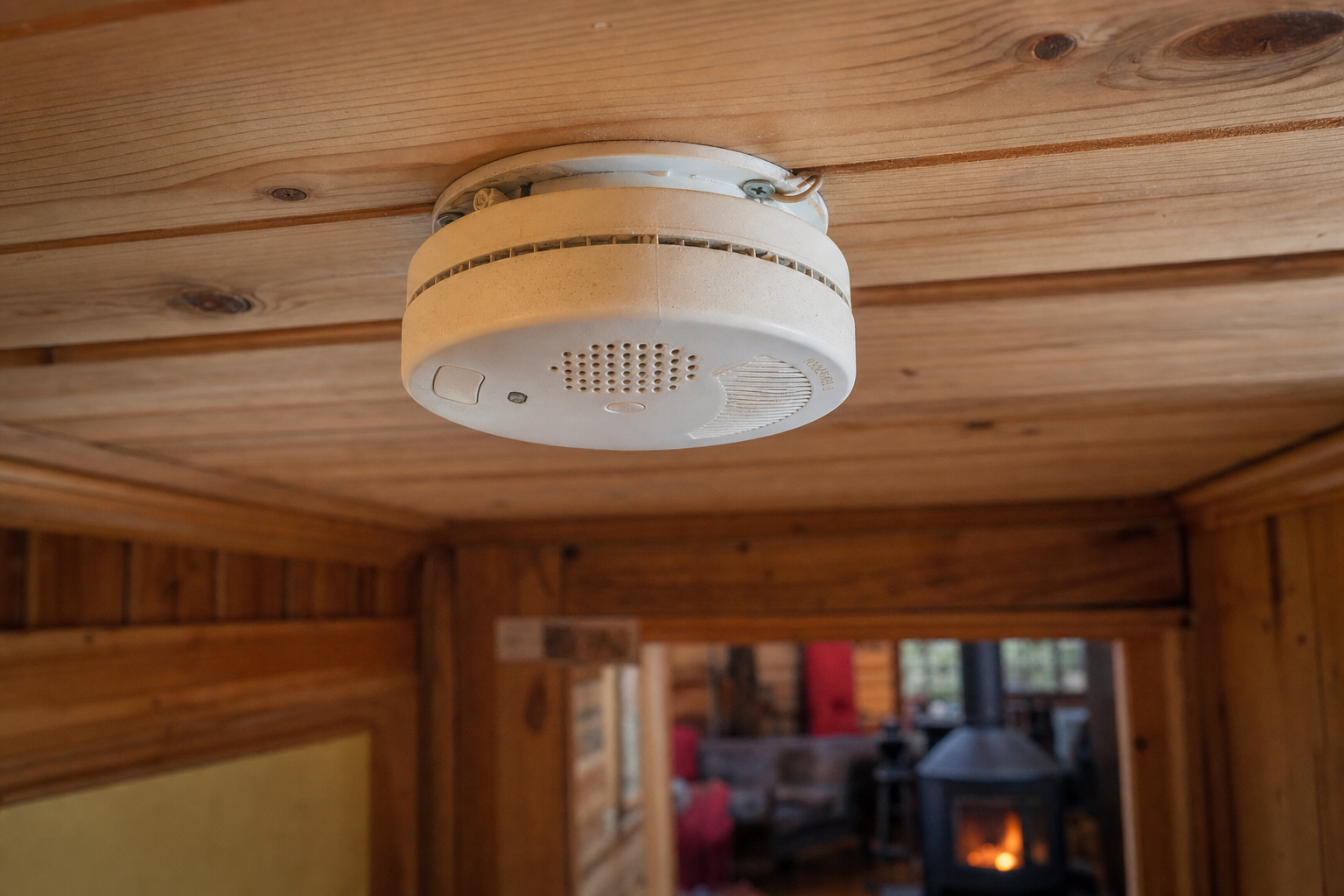
Quick answer: California law requires carbon monoxide detectors in any dwelling with a fossil fuel-burning appliance, fireplace, or attached garage — which describes the overwhelming majority of Big Bear cabins. Between wood-burning stoves, attached garages where cars warm up in freezing temperatures, and portable generators used during outages, mountain cabins carry more CO risk factors than a typical suburban home, making proper detector placement and interconnection a genuine safety priority, not just a compliance checkbox.
Why Is Carbon Monoxide Risk Higher in a Mountain Cabin Than a Typical Home?
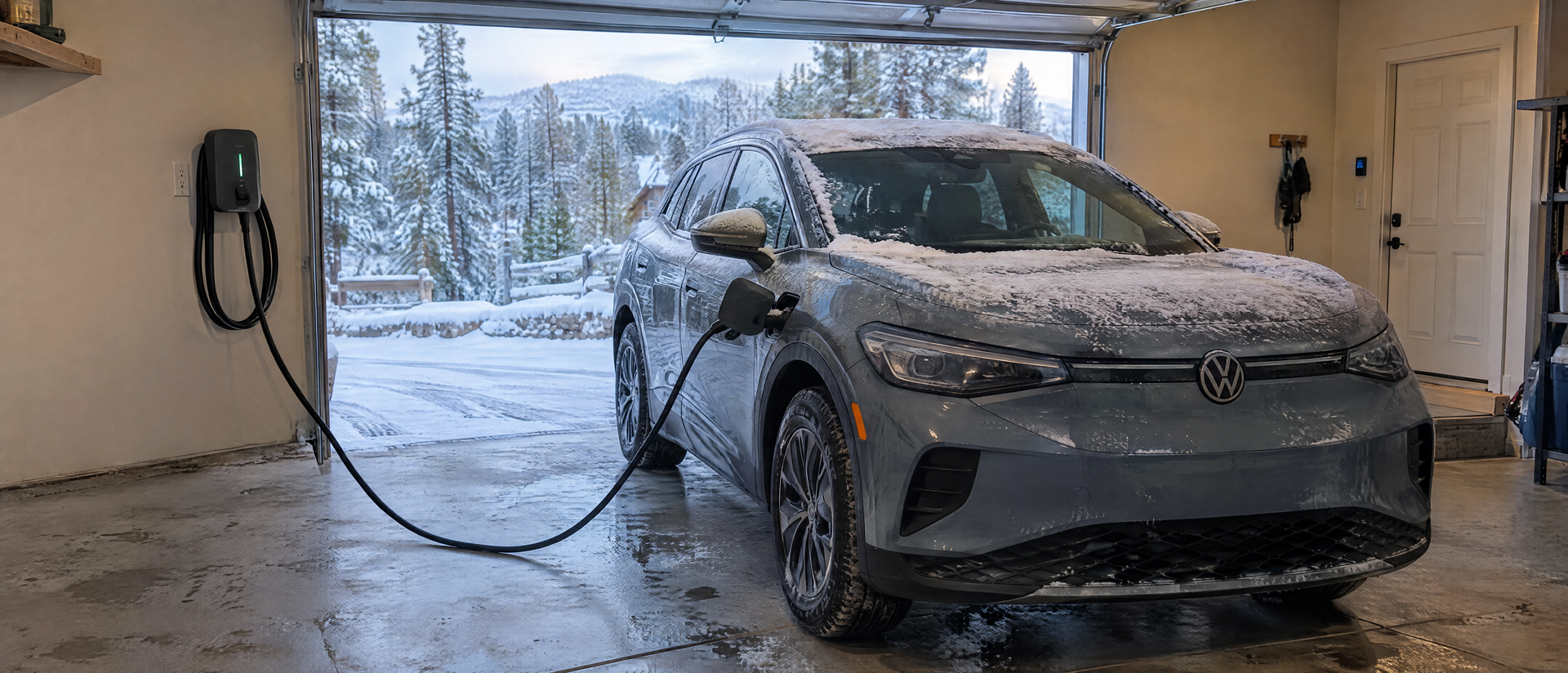
Big Bear cabins stack up several CO risk factors that a standard suburban home usually doesn't combine in one place: wood-burning stoves and fireplaces used regularly through a long cold season, attached garages where a vehicle might idle briefly in freezing weather, and portable generators that get pulled out during power outages — sometimes positioned too close to windows or doors in the rush to restore power during a storm. Any one of these is manageable with proper precautions; combined, they make a mountain cabin a genuinely higher-risk environment for CO exposure than most homes.
What Does California Law Actually Require?
California's Health and Safety Code requires carbon monoxide detectors in any dwelling unit with a fossil fuel-burning heater, appliance, fireplace, or an attached garage — a description that covers the vast majority of Big Bear properties. Detectors are required outside each separate sleeping area and on every level of the home, and smoke detectors carry their own separate, similarly broad requirement. If your cabin was built or last inspected years ago, it's worth confirming your current detector setup actually meets today's requirements rather than assuming an older installation is still compliant.
Why Does Interconnected vs. Standalone Matter When One Alarm Needs to Wake the Whole House?
This is a genuinely important distinction for a cabin with a layout spread across multiple levels or with bedrooms separated from common living areas — a common floor plan in mountain construction. Interconnected detectors — whether hardwired or wirelessly linked — all sound together when any single unit is triggered, meaning an alarm in a downstairs living room where a wood stove issue starts will also wake someone sleeping in an upstairs bedroom on the far side of the cabin. Standalone detectors only sound where the problem actually is, which can mean critical minutes lost if the triggering unit is far from where people are sleeping.
Does Running a Generator Change Your CO Detector Needs?
Yes, directly. If you have a backup generator — increasingly common given how often Big Bear sees outages — CO detection becomes even more critical, since portable generators are a leading cause of accidental CO poisoning specifically because people run them too close to windows, doors, or enclosed spaces during an emergency when normal caution sometimes slips. A properly installed permanent standby generator with correct clearance reduces this risk significantly compared to a portable unit improvised into place during a storm, but detector coverage near likely generator placement areas is still worth confirming either way.
Where Should Detectors Actually Be Placed?
Smoke and CO detectors need to be positioned outside each sleeping area at minimum, with additional units on every level of the home, including basements and near attached garages specifically. Placement near — but not directly beside — wood-burning stoves and fireplaces matters too, since positioning too close can cause nuisance alarms from normal operation, while positioning too far reduces the detector's ability to catch an actual problem early.
What Does Installation Cost in Big Bear?
- Single hardwired interconnected smoke/CO combo unit: $80–$150 per unit installed
- Whole-cabin interconnected system (typical 3-4 bedroom cabin): $600–$1,200 depending on unit count and existing wiring
- Retrofit into a cabin with no existing interconnection wiring: higher end of the range, quoted after assessment
FAQ
Does California law require CO detectors in every Big Bear cabin?
Yes, generally. California requires carbon monoxide detectors in any dwelling with a fossil fuel-burning appliance, fireplace, or attached garage, which covers the vast majority of Big Bear properties.
What's the difference between interconnected and standalone smoke detectors?
Interconnected detectors all sound together when any single unit triggers, alerting the whole house regardless of where the problem started. Standalone detectors only sound at the unit itself.
Does having a backup generator increase my CO detector needs?
Yes. Portable generators are a leading cause of accidental CO poisoning when run too close to windows or enclosed spaces, making detector coverage near likely generator placement areas especially important.
Where should CO detectors be placed in a cabin?
Outside each sleeping area at minimum, on every level of the home, and near attached garages, positioned close enough to wood stoves or fireplaces to detect issues without triggering nuisance alarms from normal use.
How much does it cost to install interconnected smoke and CO detectors in a Big Bear cabin?
A single hardwired unit typically runs $80-150 installed, with a full whole-cabin system running $600-1,200 depending on unit count and existing wiring.
Make sure your Big Bear cabin's smoke and CO protection actually meets code.
Call Big Bear Electric Pros at (909) 415-5573 for a free assessment.
Big Bear Planned Power Outage Oct. 16–17: BVES's Timeline, Rolling Blackouts, and What to Do Tonight